The Unexplained Company Logo
World War 2026: What Jiang’s Prediction Gets Wrong

World War 2026: What Jiang’s Prediction Gets Wrong

Art Grindstone

December 9, 2025

Key Takeaways

  • A viral YouTube clip titled “In 2026 The World War Will EXPLODE” from a channel referencing @PredictiveHistory spreads a lecture by a Chinese academic named Professor Jiang, forecasting a major global conflict starting around March 2026.
  • Verifiable details include Norway’s Cold Response exercise set for 9–19 March 2026, NATO’s planned multi-domain drills like STEADFAST WOLF 2026, and precedents from large-scale exercises involving up to 90,000 personnel in 2024, as reported by AP and official sources.
  • Unresolved elements involve whether Jiang’s prediction stems from classified intel or pattern analysis, if the March 2026 date is a direct quote or a simplified interpretation, and whether these exercises signal offensive preparations or standard training.

A Cold, Bright Line on Calendars

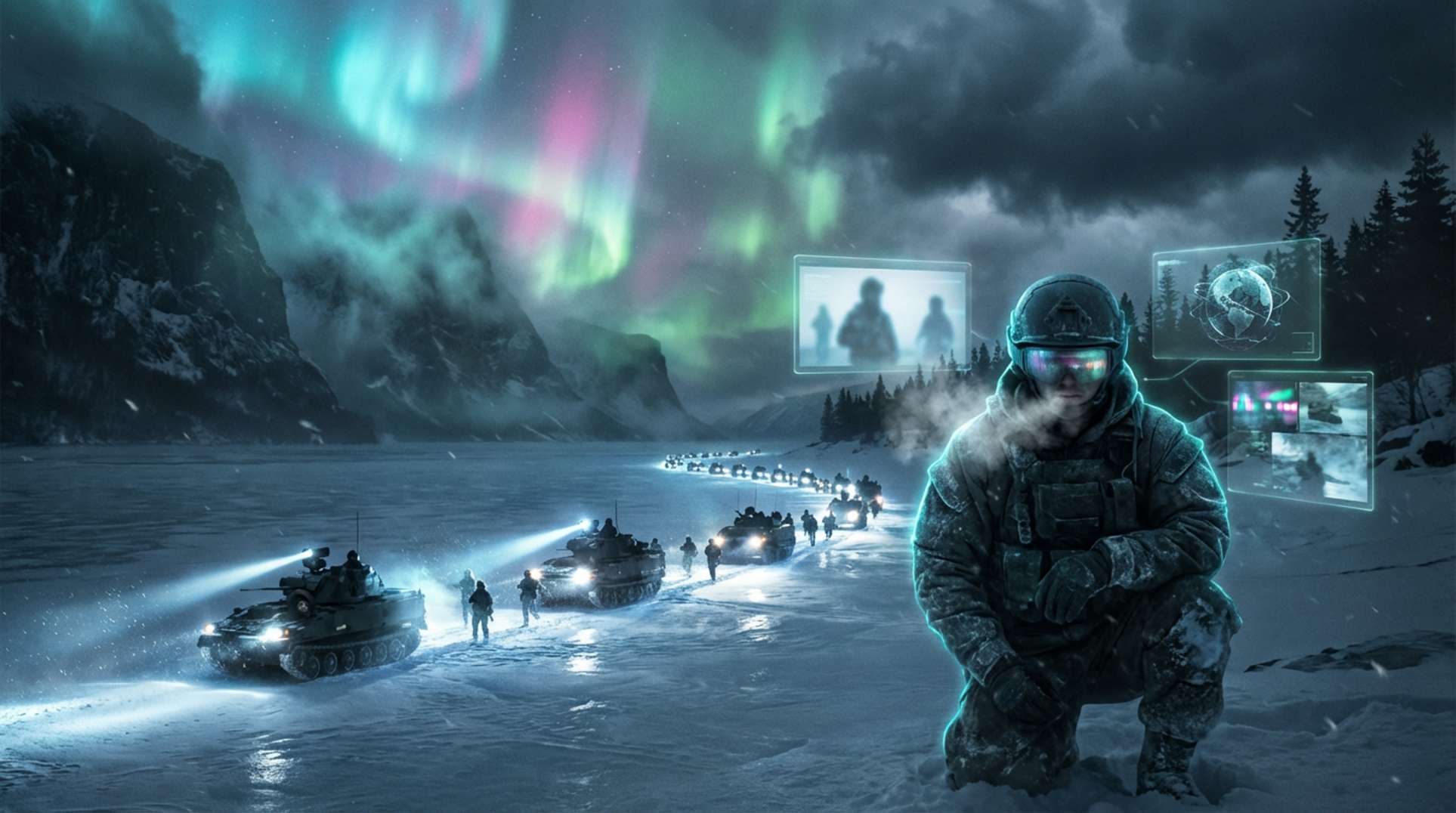
Picture this: snow-swept fjords under a steel-gray sky, troops maneuvering in the arctic chill. Late winter in Norway, where military drills unfold like clockwork. Now, layer on the buzz from social feeds—clips flashing across screens, warnings of war exploding in 2026. That calendar slot, March 2026, starts to pulse with meaning for those tracking global tensions. It’s not just dates; it’s a rhythm building, drumbeats echoing through online discussions.

The spark? A YouTube video titled “In 2026 The World War Will EXPLODE,” posted on a channel tied to @PredictiveHistory. It’s racked up views, reposts amplifying the message. Communities light up, pointing to Norway’s Cold Response 2026, locked in for 9–19 March by the Norwegian Armed Forces. A focal point emerges, sharp and undeniable, amid whispers of broader upheaval.

What Witnesses and Analysts Report

In the corners of social media where patterns get dissected, a narrative takes shape. Professor Jiang—often identified as Jiang Xueqin in clips and write-ups—lays out a stark vision. He warns of a U.S. ground move into Iran, sparking a cascade: alliances fracture, economies buckle, great powers clash. It’s not abstract; it’s pinned to timelines that communities are poring over.

Original breakdowns suggest a 2027 invasion window, but viral clips and commentators push it earlier, eyeing March 2026 as the flashpoint. Voices in these spaces anticipate U.S.-Iran friction boiling over, supply lines snapping, unrest spreading. NATO drills? Some see rehearsals for the real thing; others, a show of strength to deter. Material circulates in fragments—snippets, translations, summaries—rarely the full lecture, leaving room for interpretation.

Timelines, Tracks, and Hard Data

Let’s ground this in what’s public and checkable. Start with the viral core: that YouTube clip from @PredictiveHistory, pushing the 2026 explosion narrative. Broader coverage appears in outlets like the Times of India, recapping Jiang Xueqin’s lecture. Substack pieces break down his predictions, framing them against global shifts.

Official calendars offer anchors. Norway’s Forsvaret confirms Cold Response 2026 for 9–19 March, expecting 20,000–25,000 participants. NATO’s Joint Warfare Centre outlines a 2026 slate, including the CBRN-focused STEADFAST WOLF and other multi-domain efforts. For scale, recall AP’s coverage of 2024 exercises pulling in about 90,000 troops across series. U.S. DoD FY2026 budget docs outline preparedness for threats, but no war timetables. Intelligence assessments, like the 2025 Worldwide Threat summaries, track risks in cyber, WMD, and state rivalries—trends, not dated prophecies.

Exercise NameDate RangeEstimated ParticipantsSource
Cold Response 20269–19 March 202620,000–25,000Forsvaret (Norwegian Armed Forces)
STEADFAST WOLF 20262026 (specific dates TBD)Not specifiedNATO Joint Warfare Centre
2024 NATO Exercise Series (Precedent)2024~90,000AP Reporting

Official Story vs. What the Data Suggests

Institutions paint a straightforward picture. NATO and national forces describe Cold Response and STEADFAST exercises as training grounds—building interoperability, honing deterrence. Forsvaret and NATO JWC statements emphasize routine readiness, not countdowns to conflict. U.S. DoD FY2026 docs focus on strategic competition, budgeting for contingencies without tipping operational hands. Intelligence reports map ongoing threats, avoiding fixed timelines for world wars.

Yet communities read between those lines. Exercises become rehearsals, budgets signal hidden plans. The data fits both views to a point: public schedules align with deterrence needs, but their scale and timing fuel speculation. Where it stretches? No leaked intel or eyewitness accounts pin a March 2026 invasion. Clips and translations often strip context, turning analysis into stark warnings. It’s a gap—official calm versus amplified foreboding—that demands scrutiny.

What It All Might Mean

Patterns emerge clearly: Jiang Xueqin’s forecast, viral and reshaped, intersects with real March 2026 exercises, stoking widespread attention. That’s the solid ground. Questions linger, though. Who’s Professor Jiang exactly, and what’s his method for those dates? Do independent signs back a 2026 invasion timeline? How do we tell training from prelude? And how much do edits and algorithms warp the original message?

This matters beyond the claim itself. Forecasts like this mold how we see risks, potentially swaying politics and readiness. They highlight how defense routines feed into online narratives, creating feedback loops. For those digging deeper, next moves could include chasing full lecture transcripts, vetting Jiang’s background, pressing NATO and Forsvaret on exercise goals, and querying DoD on any matching indicators. The calendar ticks; the investigation continues.

Frequently Asked Questions

The claim, spread via a YouTube clip, attributes to Professor Jiang a forecast of a U.S. ground intervention in Iran triggering wider collapse and potential great-power war, with timelines pointing to as early as March 2026 in some interpretations.

Yes, Norway’s Cold Response is scheduled for 9–19 March 2026 with 20,000–25,000 participants, per Forsvaret. NATO plans include STEADFAST WOLF 2026 and other drills, building on large-scale precedents like 2024 exercises with ~90,000 personnel reported by AP.

Official statements from NATO and national militaries frame them as training for interoperability and deterrence, not preparations for offensive operations. U.S. DoD documents emphasize preparedness without specifying war timelines.

Key uncertainties include whether Jiang’s date comes from classified sources or analysis, if March 2026 is an exact quote or a reframing, and how to differentiate routine drills from potential rehearsals. No independent leaks corroborate a specific invasion plan.

It demonstrates how public exercises and online predictions interact, shaping perceptions of risk and possibly influencing real-world responses. Even without proof, it highlights tensions in global information flows.