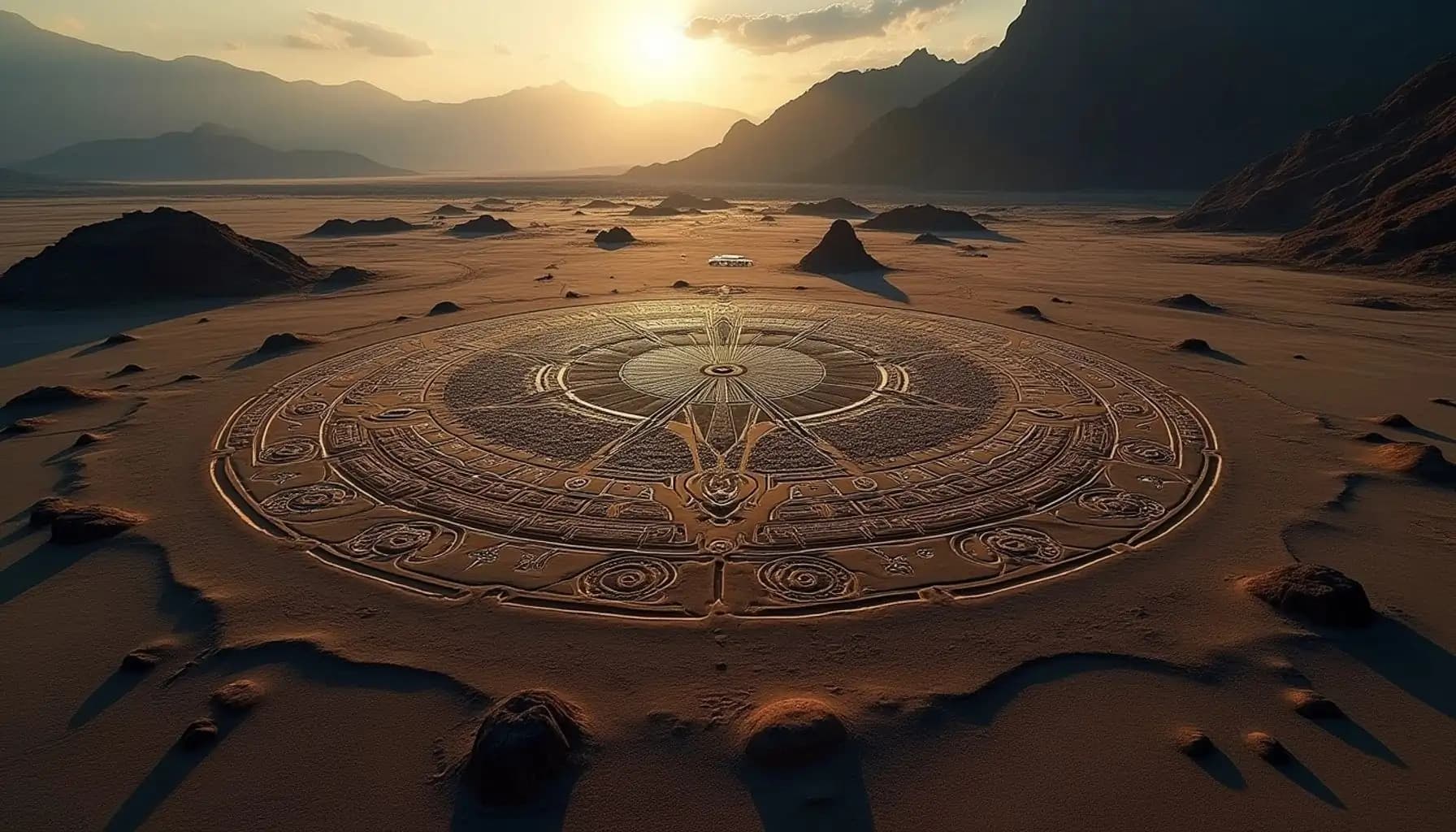

In a groundbreaking announcement, researchers have unveiled the discovery of 303 new geoglyphs in the Nazca Desert of Southern Peru, thanks to advancements in artificial intelligence. This remarkable find nearly doubles the previously known geoglyphs, showcasing the power of technology in archaeology.
Key Takeaways
- Total New Discoveries: 303 new geoglyphs identified.
- Significance of AI: AI technology has revolutionized the discovery process.
- Geoglyph Characteristics: New geoglyphs include human figures, animals, and intricate designs.
- Purpose of Geoglyphs: Theories range from astronomical significance to ritualistic practices.
The Nazca Lines: A Brief Overview
The Nazca Lines are massive geoglyphs etched into the desert floor, created by the ancient Nazca civilization. Dating back over 2,000 years, these lines depict various shapes, including animals, plants, and geometric patterns. Rediscovered in the 1920s, they have been a UNESCO World Heritage site since 1994.
The Role of Artificial Intelligence
For years, researchers have scoured high-resolution satellite images to identify new geoglyphs. However, the process was slow and often overlooked many ancient designs. With the introduction of AI technology, the pace of discovery has accelerated dramatically. In just a six-month window, the team identified 303 new geoglyphs, nearly doubling the total known geoglyphs from 430 to 733.
Advertisement
Characteristics of the New Discoveries
The newly discovered geoglyphs vary in size and complexity. They can be categorized into two main types:
- Geometric Geoglyphs: Larger and simpler designs, often depicting wild animals.
- Figurative Geoglyphs: Smaller, intricate designs showing human figures and activities.
Notable Examples
- Human Figures: Some geoglyphs depict human-like figures, including decapitated heads.
- Animal Representations: New discoveries include llamas and birds, showcasing the diversity of the Nazca culture.
- Unique Designs: One notable geoglyph is an ora holding a knife, reminiscent of scenes found on Nazca pottery.