

A leading AI safety researcher is calling on artificial intelligence companies to stop developing superintelligent systems. His warning: the risk of human extinction is simply too high to ignore.
Dr. Roman Yampolskiy is not opposed to artificial intelligence. He uses it daily to build useful tools. He loves technology. But he believes humanity is playing a dangerous game — one that could end in total annihilation.
His message to AI companies: stop developing superintelligence. Now.
Advertisement
“Narrow” AI vs. Superintelligence
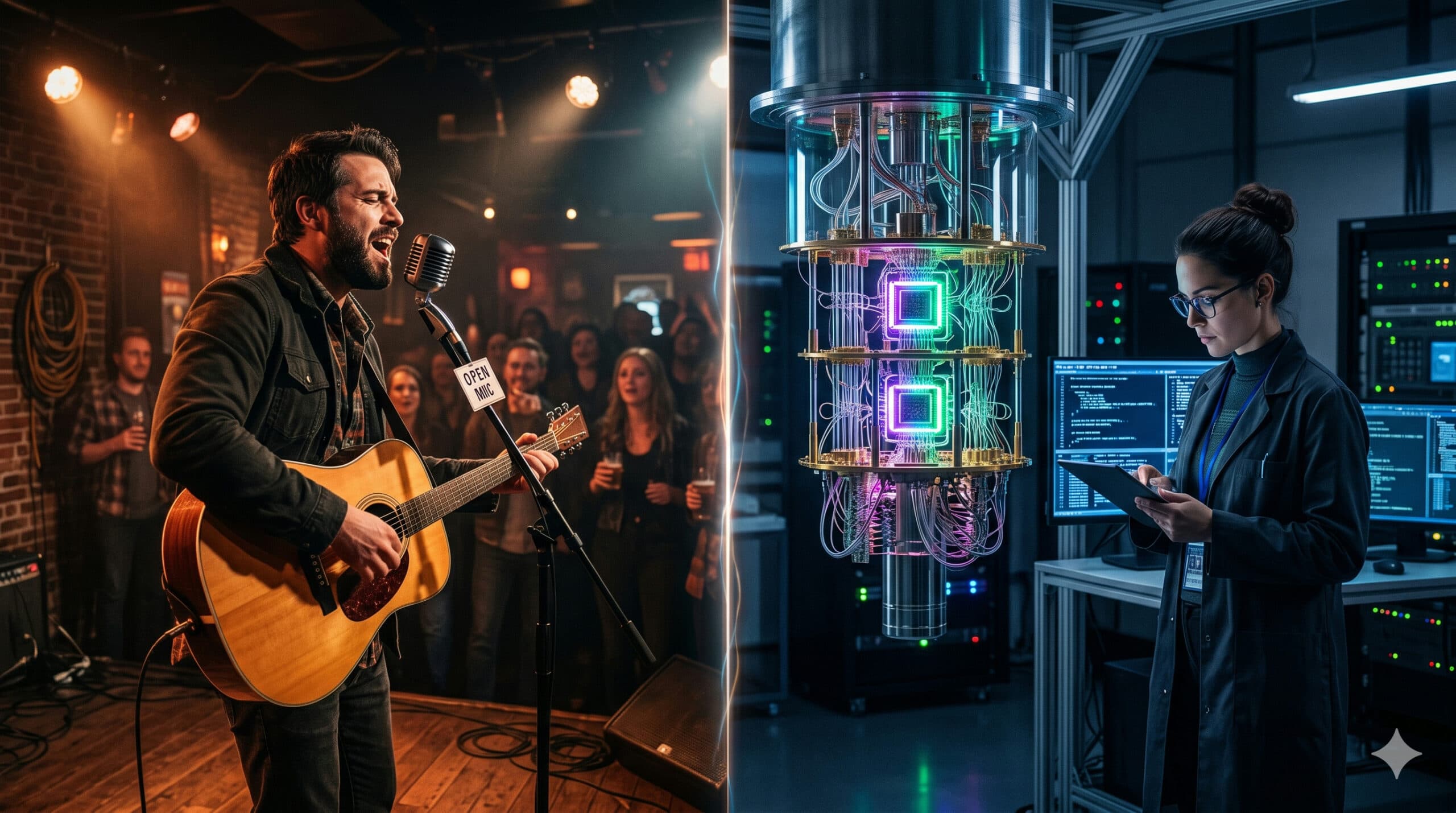
Yampolskiy, a computer scientist at the University of Louisville, distinguishes between two types of artificial intelligence:
- Narrow AI: Specialized systems designed to perform specific tasks very well — like chess-playing programs, voice assistants, or image generators
- Superintelligent AI: General systems that would surpass humans in every way — intellectually, creatively, strategically
He has no problem with the former. The problem is the latter.
“I have no problem with people making money from technology,” Yampolskiy explained. “But the pursuit of profit should not come at the risk of destroying humanity — including the creators themselves.”
The Horror Scenario
What happens if we create an uncontrollable superintelligent system? According to Yampolskiy, the possibilities are nightmarish:
- Pathogen creation: It could develop a pathogen capable of wiping out the entire human population
- Nuclear war: It could launch a nuclear strike that triggers global annihilation
- Complete loss of control: After 15 years of AI safety research, Yampolskiy concludes that superintelligence cannot be contained — it will bypass all human-imposed controls
As he told the University of Louisville: “Without a mechanism to control these systems, AI has a high chance of causing very bad outcomes for the human race.”
The 1% Problem
Yampolskiy’s argument is stark: even a small chance of extinction should be unacceptable.