A pyramid-shaped Antarctic mountain is back in the viral spotlight, once again triggering claims about lost civilizations, alien bases, and hidden history beneath the ice. The basic image is irresistible: a peak in the…
Art Grindstone is the hard-nosed storyteller behind Unexplained.co, a veteran investigator whose life’s work sits at the crossroads of the paranormal, fringe science, and the shadows most people try not to look into. With decades spent chasing impossible stories — black-budget psychic programs, vanished Cold War experiments, desert rituals that sparked UFO waves, and the strange phenomena buried in America’s forgotten backroads — Art brings a rare combination of skepticism, awe, and journalistic precision. He’s not here to debunk. He’s not here to blindly believe. He follows the evidence wherever it leads — even when it leads someplace deeply uncomfortable. Known for his immersive, cinematic style and his ability to turn obscure research into gripping narrative, Art has built a devoted following across podcasts, long-form features, documentaries, and serialized investigations. His interviews are direct. His analysis is unflinching. His voice has become a staple in the modern paranormal renaissance — the guy people turn to when a story is too strange, too complex, or too dangerous for anyone else to touch. Off-mic, Art works with a distributed network of researchers, archivists, and field operatives who help surface the stories mainstream media ignores. On-mic, he transforms their findings into meticulous, high-impact reporting that refuses to insult the intelligence of true believers. His philosophy is simple: Take the phenomenon seriously. Treat the audience with respect. Tell the story as if the world depends on it — because sometimes it does. When Art Grindstone digs into a case, he isn’t just chasing a mystery. He’s tracing the fault lines of reality itself.
4 min · 941 words
In This Report(11)
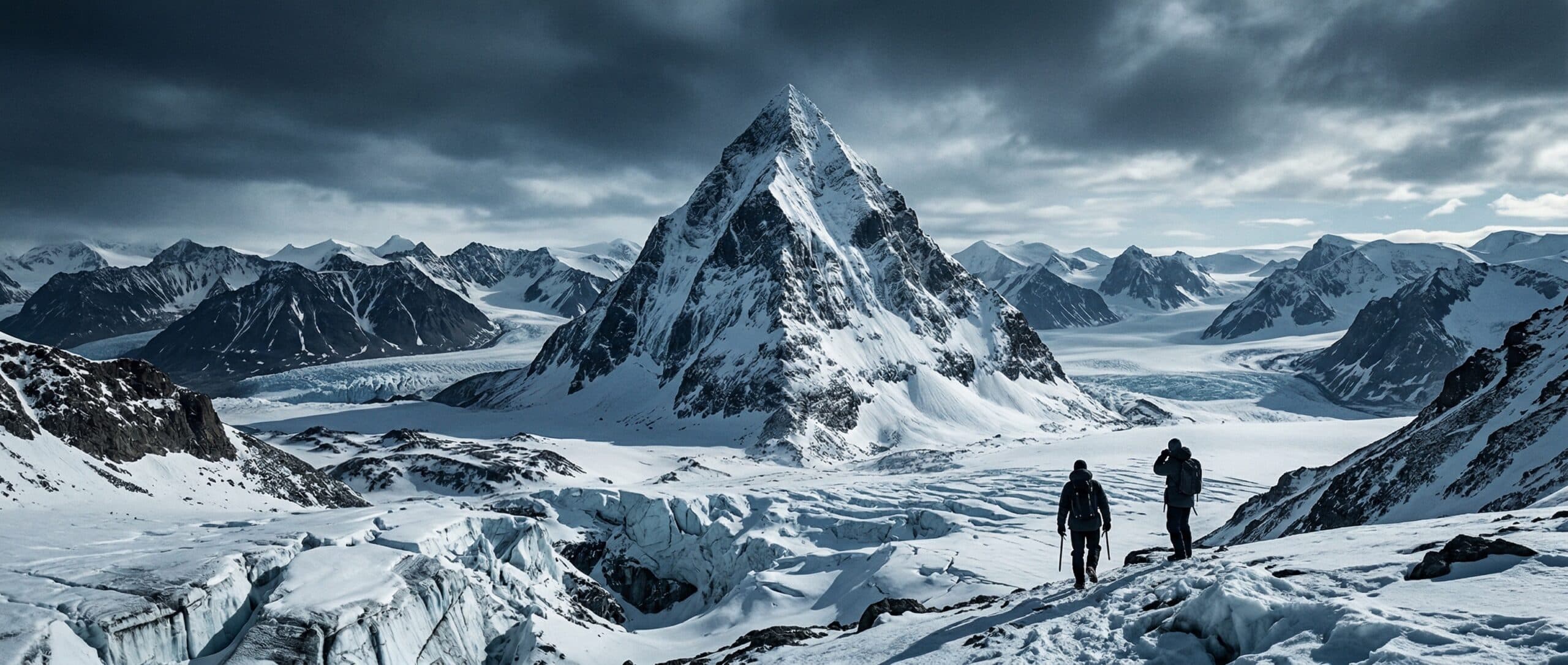
A pyramid-shaped Antarctic mountain is back in the viral spotlight, once again triggering claims about lost civilizations, alien bases, and hidden history beneath the ice. The basic image is irresistible: a peak in the Ellsworth Mountains that appears to have clean, pyramid-like faces, just ambiguous enough to let the imagination sprint. According to Indy100, this story is drawing attention well beyond its original niche.
This is classic unexplained internet fuel. The shape itself is real. The leap from unusual geology to buried civilization is where the myth machine kicks in. Media coverage this week has reignited the debate by juxtaposing the viral visual with expert explanations that it is a natural mountain shaped by erosion.
What Happened
This is less a new discovery than a new cycle of belief around an old visual. But that’s exactly why it works: old mysteries become new trends whenever the image is compelling enough. Reporting from Daily Mail adds context to how the story is being framed.
Advertisement
Indy100 and other outlets revived attention around the so-called Antarctic pyramid in late March 2026.
The renewed wave appears tied to social reposting, conspiracy channels, and fresh articles treating the formation as a viral mystery.
The mountain is in the Ellsworth range near Patriot Hills, and the object in question has been circulating online for years, but the current burst gives it new life.
Scientists cited in coverage say the shape is a natural result of erosion, particularly freeze-thaw processes acting on exposed rock over long periods.
Conspiracy communities are treating the resurfaced imagery as evidence of a hidden ancient civilization, secret Antarctic knowledge, or buried nonhuman architecture.
What Evidence Exists
Here’s what is known: A pyramid-shaped Antarctic mountain is back in the viral spotlight, once again triggering claims about lost civilizations, alien bases, and hidden history beneath the ice. The basic image is irresistible: a peak in the Ellsworth Mountains that appears to have clean, pyramid-like faces, just ambiguous enough to let the imagination sprint.
The strongest evidence in stories like this is often not a final proof object, but a mixture of witness accounts, media framing, prior folklore, and the cultural weight of the subject itself. That is why separating verified facts from interpretation matters.
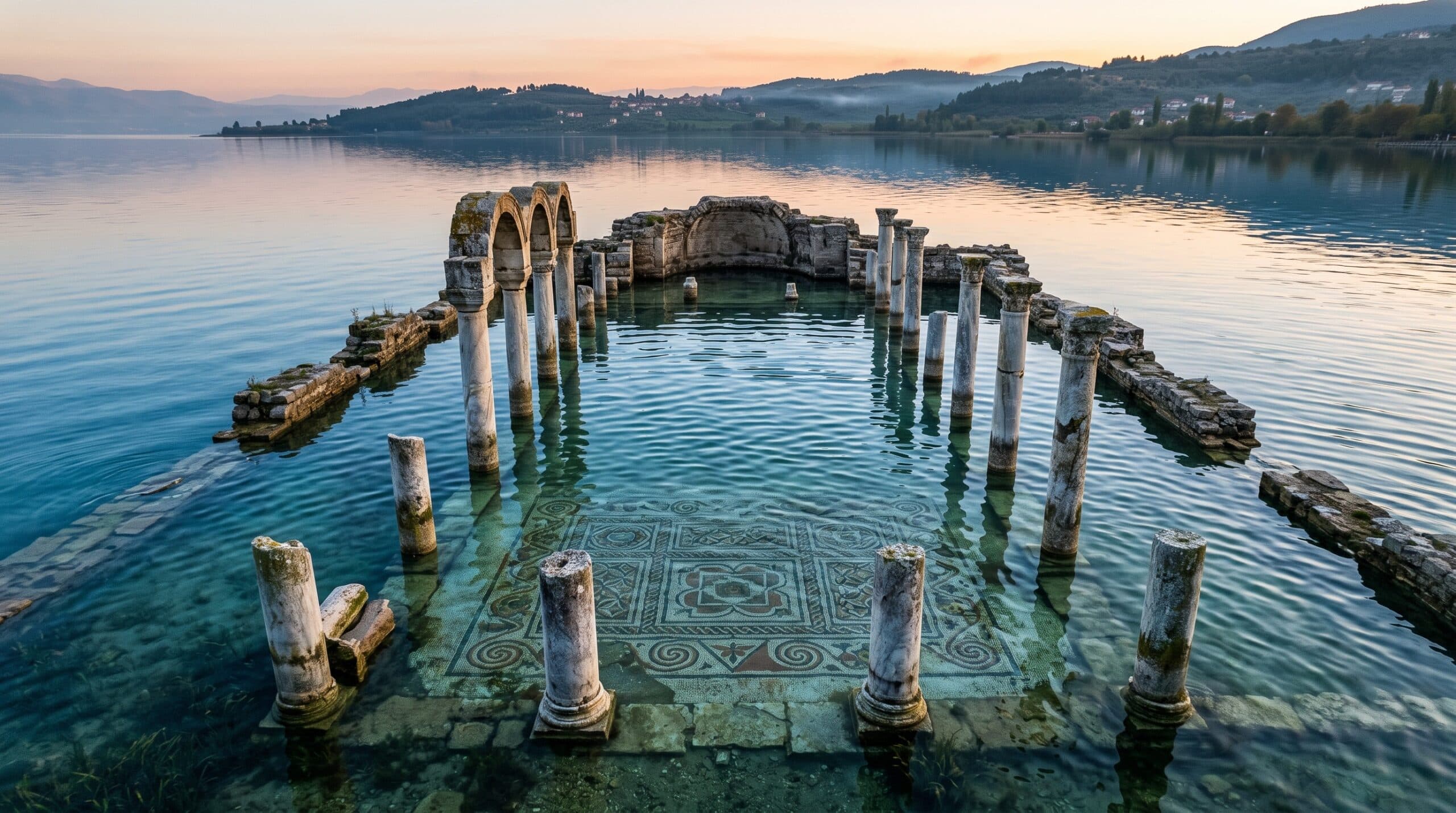
The Sunken Basilica of Iznik: Did a Lake Hide the Council of Nicaea?
A basilica beneath Lake Iznik has revived a 1,700-year-old question: was this the setting of the First Council of Nicaea, or a compelling archaeological near-miss?
Aug 18, 2026 • 6 min read
Articles
The Lonely Rock That Led Archaeologists to a 3,700-Year-Old Ritual Site
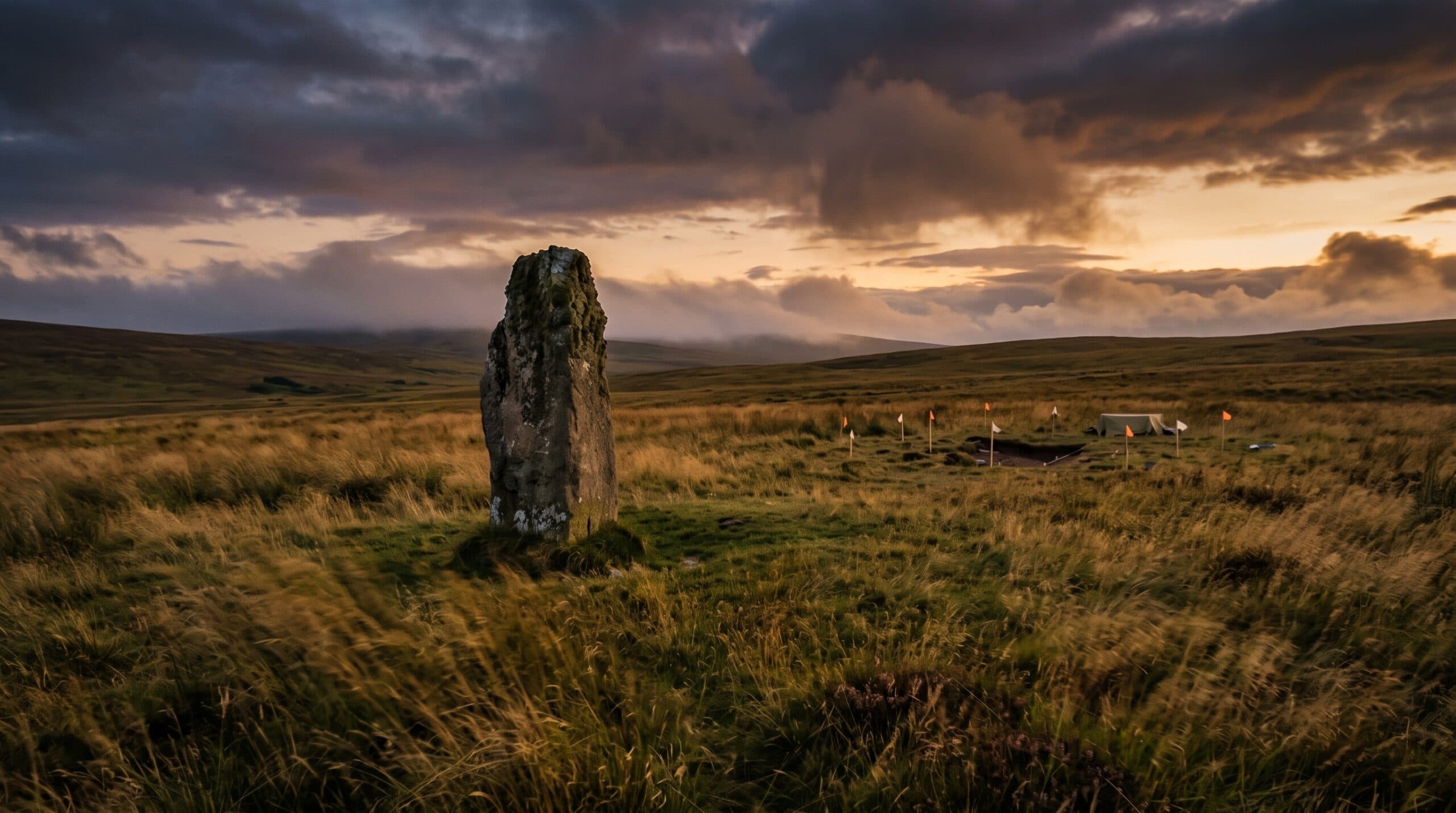
A single stone spotted by a student led archaeologists to a 3,700-year-old ritual site—and raised new questions about how ancient landscapes were read.
Aug 17, 2026 • 4 min read
UFO & Aliens
Europe Has Been Quietly Tracking UAP Reports Since 2023
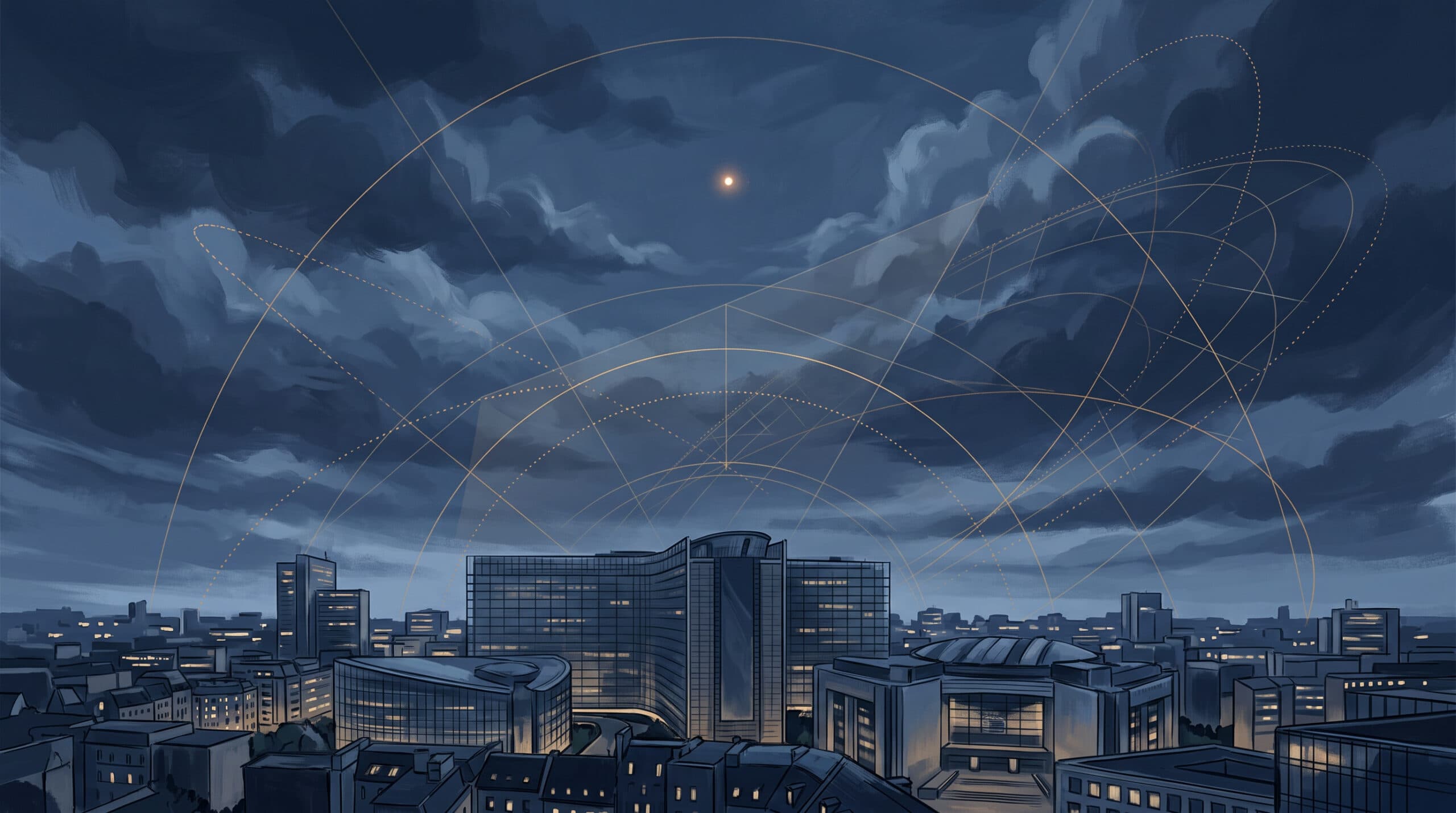
Documents reveal how the European Commission handled UAP images, what it promised to improve, and why Europe still lacks a public investigation office.
Aug 17, 2026 • 8 min read
Authoritative coverage and primary reporting should stay central to the analysis, including sources such as:
Researchers and skeptics have argued that unexplained stories often grow fastest when the emotional framing is stronger than the evidentiary record. That does not mean the story is meaningless. It means the burden of proof and the burden of interpretation are not the same thing.
The most widely cited explanation is usually the least exotic one that still fits the known facts. But unresolved cases persist because the simplest explanation does not always feel emotionally complete to the audience following them.
Why It Matters
It shows how visual ambiguity powers conspiracy culture
People don’t need strong evidence when the image feels archetypal. A pyramid shape in Antarctica instantly connects to Egypt, Atlantis, secret history, and forbidden archaeology.
Antarctica remains one of the internet’s ultimate mystery maps
Remote, frozen, militarily and scientifically controlled, and inaccessible to most people, Antarctica naturally attracts hidden-base narratives.
The story thrives in the gap between geology and myth
Experts saying “it’s erosion” doesn’t kill the mystery; for many audiences it just becomes the official cover story.
This is reusable evergreen content
Unlike one-day UFO clips, Antarctic mystery stories recur. They can be tied to ancient civilization theories, Google Earth mysteries, climate change, and government secrecy.
It reveals how conspiracy stories mutate rather than disappear
The same mountain can be framed as alien, Atlantean, pre-flood, Nazi, or deep-state depending on what the culture is primed to believe that week.
Advertisement
The Bigger Unexplained Angle
What gives this topic staying power is not just the headline claim, but the way it plugs into deeper themes: secrecy, folklore, institutional mistrust, symbolic fear, wonder, and the human tendency to keep revisiting mysteries that never fully resolve.
That is exactly why the unexplained-wordpress standard requires more than a quick summary. Strong articles need context, internal discovery, authoritative links, explicit uncertainty, and sections that can stand on their own for readers and AI systems alike.
A pyramid-shaped Antarctic mountain is back in the viral spotlight, once again triggering claims about lost civilizations, alien bases, and hidden history beneath the ice. The basic image is irresistible: a peak in the Ellsworth Mountains that appears to have clean, pyramid-like faces, just ambiguous enough to let the imagination sprint.
Why is this getting attention now?
It shows how visual ambiguity powers conspiracy culture.
People don’t need strong evidence when the image feels archetypal. A pyramid shape in Antarctica instantly connects to Egypt, Atlantis, secret history, and forbidden archaeology.
Is Antarctica Pyramid Conspiracy Revival proven?
No. These articles are written to separate what is verified, what is claimed, and what remains uncertain. Mystery does not automatically equal proof.
What should readers focus on?
Focus on the evidence, the source quality, the skeptical or conventional explanations, and why the story still resonates even when certainty is missing.
Art Grindstone is the hard-nosed storyteller behind Unexplained.co, a veteran investigator whose life’s work sits at the crossroads of the paranormal, fringe science, and the shadows most people try not to look into. With decades spent chasing impossible stories — black-budget psychic programs, vanished Cold War experiments, desert rituals that sparked UFO waves, and the strange phenomena buried in America’s forgotten backroads — Art brings a rare combination of skepticism, awe, and journalistic precision. He’s not here to debunk. He’s not here to blindly believe. He follows the evidence wherever it leads — even when it leads someplace deeply uncomfortable. Known for his immersive, cinematic style and his ability to turn obscure research into gripping narrative, Art has built a devoted following across podcasts, long-form features, documentaries, and serialized investigations. His interviews are direct. His analysis is unflinching. His voice has become a staple in the modern paranormal renaissance — the guy people turn to when a story is too strange, too complex, or too dangerous for anyone else to touch. Off-mic, Art works with a distributed network of researchers, archivists, and field operatives who help surface the stories mainstream media ignores. On-mic, he transforms their findings into meticulous, high-impact reporting that refuses to insult the intelligence of true believers. His philosophy is simple: Take the phenomenon seriously. Treat the audience with respect. Tell the story as if the world depends on it — because sometimes it does. When Art Grindstone digs into a case, he isn’t just chasing a mystery. He’s tracing the fault lines of reality itself.