
Ominous Forecasts and Cosmic Catastrophes
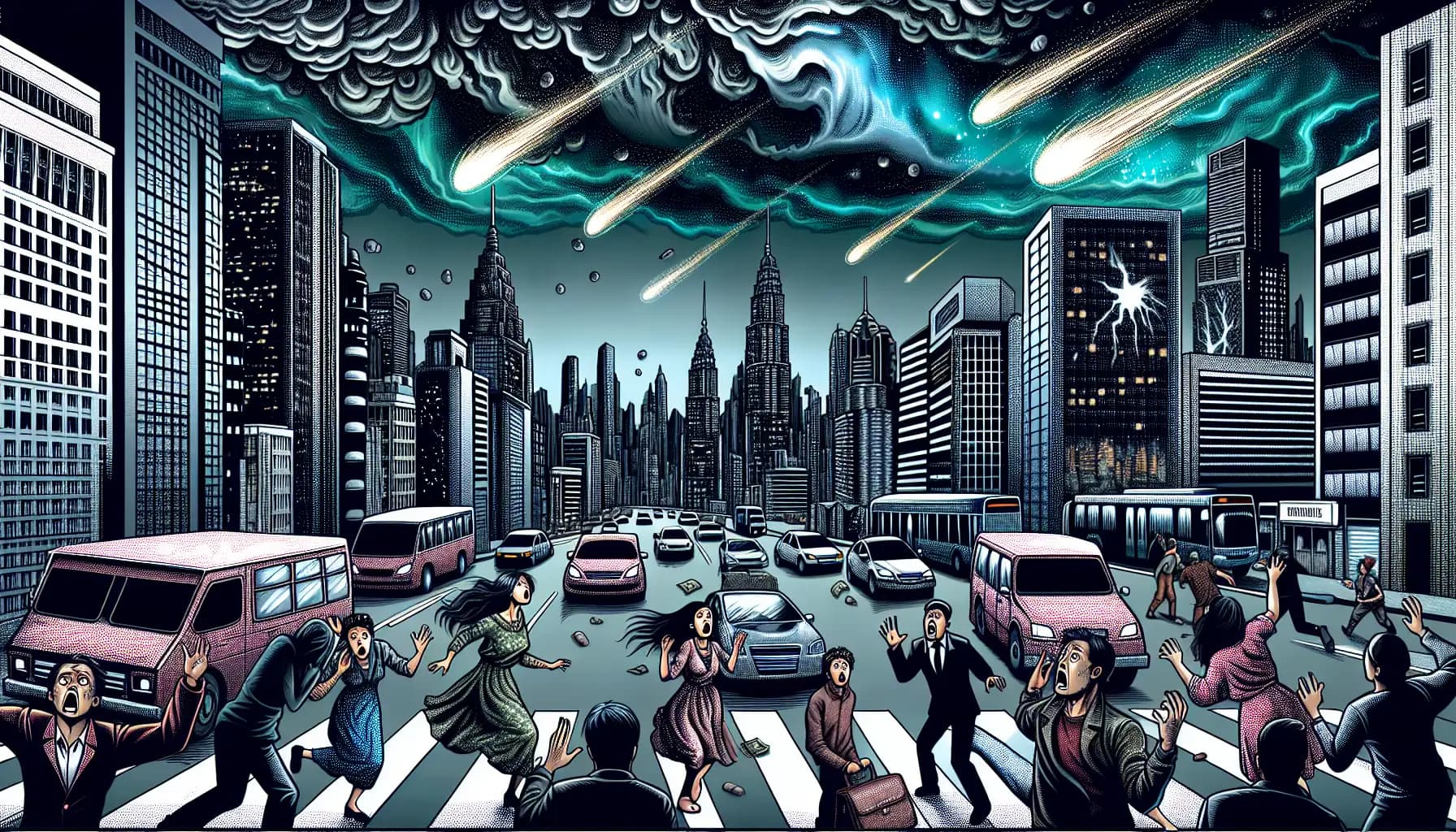
Are you clutching your canned goods yet? Well, you should be, because the end is nigh—or at least that’s what some would have you believe! Welcome to the gripping saga of doomsday predictions, where every morrow might be our last, and every ‘next Tuesday’ eyed with an uncertain flutter of existential dread.
This melodrama gets its grandiose footnote from our friends over at Wikipedia, who graciously catalog the myriad instances mankind faced the abyss, only to sigh in relief as the morning sun peeked through the curtains. History is but a series of mistaken apocalyptic predictions—except, perhaps, for the one that’s right.
Failed Forewarnings and the Theater of the Absurd
In the grand tradition of Chicken Little, humanity has too often fallen for catastrophic prophecies like dogs eagerly lunging at mirages. The Competitive Enterprise Institute (source) chronicles this all-too-human predilection, gifting us with fifty years’ worth of erroneous proclamations. As it stands, predicting doom is a spectator sport with an infinite audience, eagerly throwing popcorn at the stage.
Advertisement
Among these historical (yet humorous) episodes lie William Miller’s momentous missteps chronicled in Britannica. His miscalculations led to widespread panic—twice, no less! Yet here we remain, chuckling mortals buoyed atop waves of misprediction.
The Science of Soliciting Scare
One must ponder: what fuels this perpetual spinning of the doomsday wheel? Is it mere folly, or a reminder to cherish what glimmers before night falls? As scholars from the Global Catastrophic Risk Institute astutely note, doomsday pontifications may serve as cautionary crucibles, galvanizing us toward ameliorative action (Unexplained Shows).
The modern-day prophets continue their ominous pronouncements. Notably, the Bulletin of the Atomic Scientists recently shifted the Doomsday Clock one second closer to midnight—a somber testament to humankind’s penchant for brinkmanship (source).