Area 51 Time Dilation Facility Claim: What the Viral…
Area 51
Area 51 Time Dilation Facility Claim: What the Viral Bodycam Leak Says — and Why People Believe It
A viral Area 51 story is making the rounds again, this time built around allegedly leaked bodycam footage in which a trespasser claims he discovered a secret “time dilation facility” linked to the Nevada base. The…
Art Grindstone is the hard-nosed storyteller behind Unexplained.co, a veteran investigator whose life’s work sits at the crossroads of the paranormal, fringe science, and the shadows most people try not to look into. With decades spent chasing impossible stories — black-budget psychic programs, vanished Cold War experiments, desert rituals that sparked UFO waves, and the strange phenomena buried in America’s forgotten backroads — Art brings a rare combination of skepticism, awe, and journalistic precision. He’s not here to debunk. He’s not here to blindly believe. He follows the evidence wherever it leads — even when it leads someplace deeply uncomfortable. Known for his immersive, cinematic style and his ability to turn obscure research into gripping narrative, Art has built a devoted following across podcasts, long-form features, documentaries, and serialized investigations. His interviews are direct. His analysis is unflinching. His voice has become a staple in the modern paranormal renaissance — the guy people turn to when a story is too strange, too complex, or too dangerous for anyone else to touch. Off-mic, Art works with a distributed network of researchers, archivists, and field operatives who help surface the stories mainstream media ignores. On-mic, he transforms their findings into meticulous, high-impact reporting that refuses to insult the intelligence of true believers. His philosophy is simple: Take the phenomenon seriously. Treat the audience with respect. Tell the story as if the world depends on it — because sometimes it does. When Art Grindstone digs into a case, he isn’t just chasing a mystery. He’s tracing the fault lines of reality itself.
5 min · 1,215 words
In This Report(13)
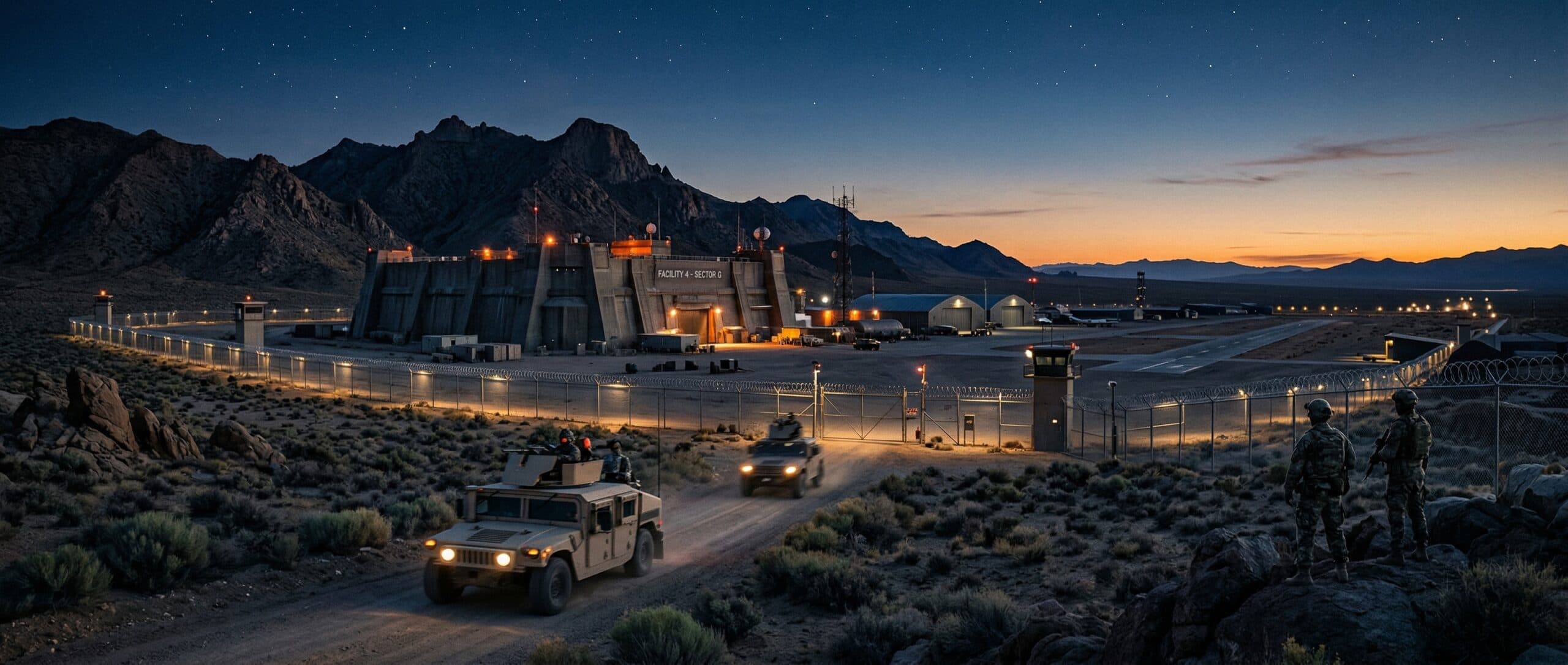
A viral Area 51 story is making the rounds again, this time built around allegedly leaked bodycam footage in which a trespasser claims he discovered a secret “time dilation facility” linked to the Nevada base. The footage is unverified, the claim is extraordinary, and the story still spread fast because it combines everything the modern conspiracy internet responds to instantly: a sealed military site, strange technical language, official-looking video, and the promise that hidden programs are exploring physics the public is not supposed to know about.
Here is the clearest answer: there is no verified evidence that Area 51 contains a literal time-dilation chamber or temporal experiment facility. What exists is a viral story built from leak aesthetics, secrecy symbolism, and a concept borrowed from real physics but repurposed into a black-project narrative. That does not make the story culturally unimportant. In fact, it helps explain exactly why it took off.
https://www.youtube.com/watch?v=HgWjtNfyMeY
Advertisement
What the Area 51 Time Dilation Claim Actually Says
The story circulating online centers on allegedly leaked bodycam footage involving a trespasser near or around Area 51 who calmly tells officers that the base is connected to time loops or time dilation rather than ordinary classified aerospace work. In the most dramatic versions of the rumor, the facility is framed as a place where time behaves differently or is being manipulated through hidden research.
This is an ideal conspiracy format because it fuses three powerful motifs at once: the mythology of Area 51, the authority-signaling aesthetics of bodycam-style footage, and the use of scientific language that sounds just credible enough to stick in the mind. As outlets like Newsweek and Popular Mechanics have documented over the years, Area 51 already occupies a unique place in the public imagination because real military secrecy and speculative folklore have been intertwined there for decades.
Why Area 51 Is the Perfect Setting for a Story Like This
Area 51 functions as a myth engine. It is one of the few real places on Earth where almost any extraordinary story sounds emotionally plausible before anyone checks the evidence. That is because the site has long represented the overlap between black-budget research, inaccessible military space, UFO secrecy, and the suspicion that the public sees only a sanitized fraction of what really happens.
The Deep Sea Sphere: 1990s SCUBA Divers Filmed Something in the Bahamas That Still Defies Classification
A clip from the 1990s shows SCUBA divers encountering a strange, perfectly spherical creature in the Bahamas. Decades later, the footage is resurfacing — and cryptid researchers, marine biologists, and UAP watchers all have different theories about what it is.
May 14, 2026 • 6 min read
Conspiracy Theories
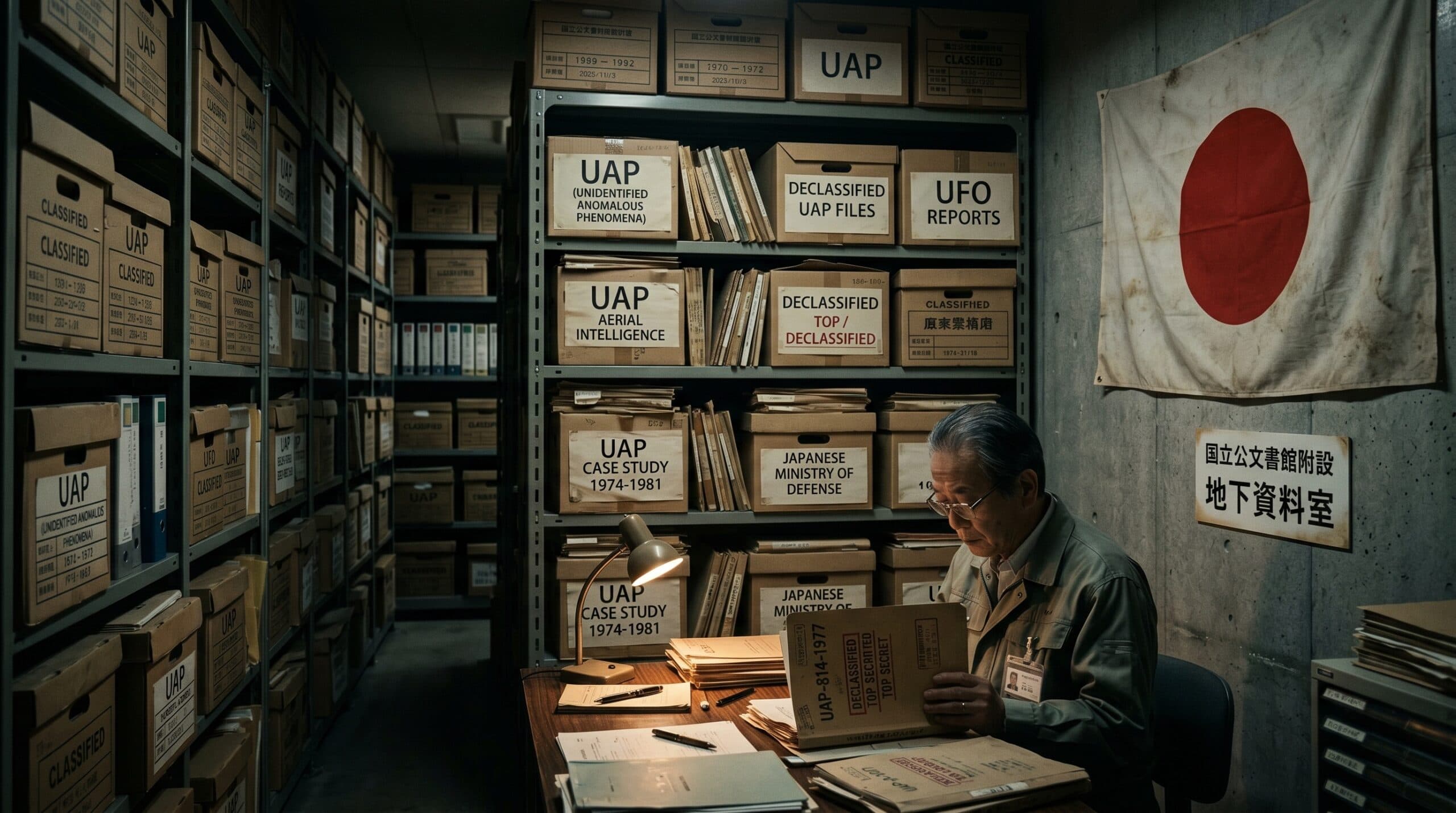
Japan Just Confirmed It Has UAP Footage, and Is Analyzing Pentagon Files Near Its Borders
Japan’s formal entry into the UAP transparency wave signals an international domino effect. What the country knows about UAP encounters near Japanese territory and why it matters now.
May 14, 2026 • 5 min read
Conspiracy Theories
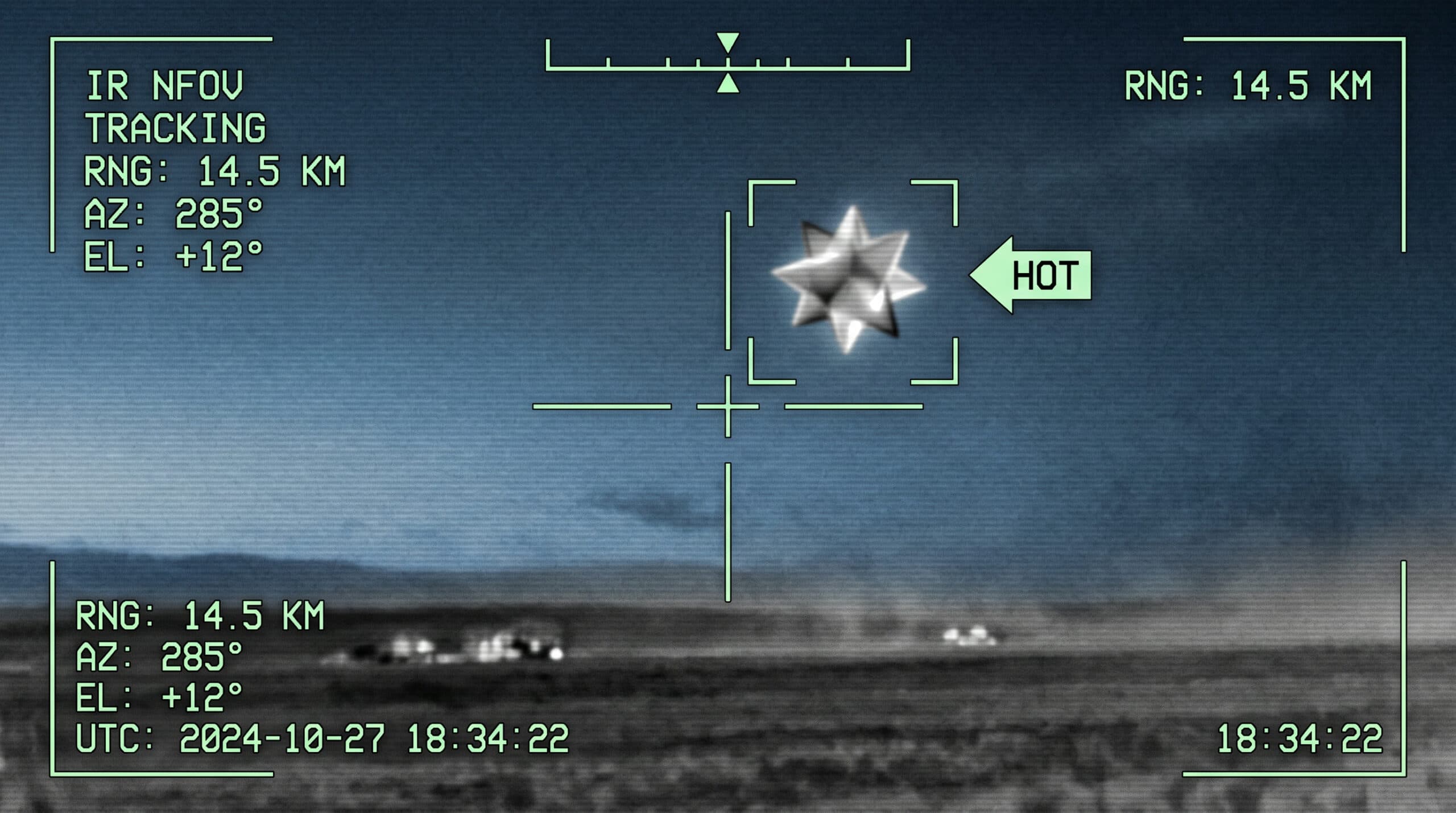
Ukrainian Defense Ministry Advisor Posts Star-Shaped UAP Video — and the Close-Ups Look Nothing Like a Drone
Serhii ‘Flash’ Beskrestnov released footage of a structured, star-shaped craft over Ukraine that has UFO researchers examining every frame for proof.
May 14, 2026 • 6 min read
In that setting, “time dilation facility” is not just a phrase. It is a narrative trigger. It sounds scientific, forbidden, and cinematic all at once.
This is also why a similar claim would likely die quickly if attached to an ordinary office park, factory, or university lab. Area 51 supplies the atmosphere the story needs. The place is doing half the work.
What Time Dilation Really Means in Physics
One reason the story travels so well is that time dilation is a real concept in physics. In Einstein’s theory of relativity, time can pass differently depending on speed and gravity. But that does not mean secret bases are casually generating science-fiction time loops inside desert hangars.
This distinction matters. Conspiracy stories often borrow real scientific terms and relocate them into hidden-program narratives. That move gives the rumor a layer of technical legitimacy without requiring the claim itself to be demonstrated.
In other words, the term is real. The leap from the term to the viral claim is not.
What Evidence Exists — and What Does Not
Here is what is known: the story appears to be driven by online circulation of alleged footage and secondhand reporting, not by verified government records, named technical sources, or documented program disclosures. There is no public evidence showing a real temporal research installation at Area 51.
The strongest evidence in the story is not physical proof. It is narrative fit. The claim feels like it belongs in the Area 51 mythos, which makes it emotionally convincing to audiences already primed for secrecy-based explanations.
That does not mean every witness account must be false. But it does mean the burden of proof here is extremely high and currently unmet.
Why People Believe Stories Like This
What makes this case unusual is not the evidence, but how neatly it aligns with modern internet belief habits. The story offers:
official-looking footage that implies authenticity
secret-base context that implies hidden capability
scientific wording that implies technical plausibility
redaction and uncertainty that imply a cover-up
That is an almost perfect formula for viral conspiracy engagement. Viewers do not need proof to become interested. They only need enough unresolved texture to feel that the truth may be just out of reach.
Advertisement
What Skeptics Would Say
Skeptics would argue that this is a textbook example of how modern rumor culture works: attach a dramatic claim to a culturally loaded site, add a fragment of shaky or partial “evidence,” and let the audience do the rest. They would also note that extraordinary claims about hidden physics demand extraordinary evidence, not just uncanny presentation.
Researchers and skeptics have argued for years that Area 51 stories often succeed because the base contains something very real — secrecy — but that secrecy is broad enough to absorb almost any invented or exaggerated narrative. Once a place becomes a cultural symbol, it starts attracting stories regardless of whether the facts support them.
Why This Story Still Matters
Even if the claim never produces credible proof, it matters as a culture signal. It shows how conspiracy media now blends real science vocabulary, official aesthetics, and military mythology into rapid-fire belief objects that spread before verification can catch up.
That is especially important for The Unexplained Company because it reveals how mystery culture evolves. Today’s strange stories do not always come from long investigations or gradual folklore growth. Sometimes they appear as prepackaged viral artifacts designed to exploit familiar symbols immediately.
Is there real evidence of a time dilation facility at Area 51?
No verified public evidence has been released showing that Area 51 contains a literal time-dilation facility. The current story is based on unverified footage and viral retellings.
Why does the claim sound believable to so many people?
Because it combines a real secretive location, official-looking footage, scientific language, and a long history of UFO and black-project mythology around Area 51.
What is time dilation in real science?
Time dilation is a genuine concept from relativity describing how time can pass differently depending on speed or gravity. That does not mean the viral claim about a hidden Area 51 time-loop facility is supported.
Could the footage still be authentic even if the claim is wrong?
Yes. A video can be real while the interpretation attached to it is exaggerated, mistaken, or fictional. That is common in conspiracy-driven media cycles.
Art Grindstone is the hard-nosed storyteller behind Unexplained.co, a veteran investigator whose life’s work sits at the crossroads of the paranormal, fringe science, and the shadows most people try not to look into. With decades spent chasing impossible stories — black-budget psychic programs, vanished Cold War experiments, desert rituals that sparked UFO waves, and the strange phenomena buried in America’s forgotten backroads — Art brings a rare combination of skepticism, awe, and journalistic precision. He’s not here to debunk. He’s not here to blindly believe. He follows the evidence wherever it leads — even when it leads someplace deeply uncomfortable. Known for his immersive, cinematic style and his ability to turn obscure research into gripping narrative, Art has built a devoted following across podcasts, long-form features, documentaries, and serialized investigations. His interviews are direct. His analysis is unflinching. His voice has become a staple in the modern paranormal renaissance — the guy people turn to when a story is too strange, too complex, or too dangerous for anyone else to touch. Off-mic, Art works with a distributed network of researchers, archivists, and field operatives who help surface the stories mainstream media ignores. On-mic, he transforms their findings into meticulous, high-impact reporting that refuses to insult the intelligence of true believers. His philosophy is simple: Take the phenomenon seriously. Treat the audience with respect. Tell the story as if the world depends on it — because sometimes it does. When Art Grindstone digs into a case, he isn’t just chasing a mystery. He’s tracing the fault lines of reality itself.