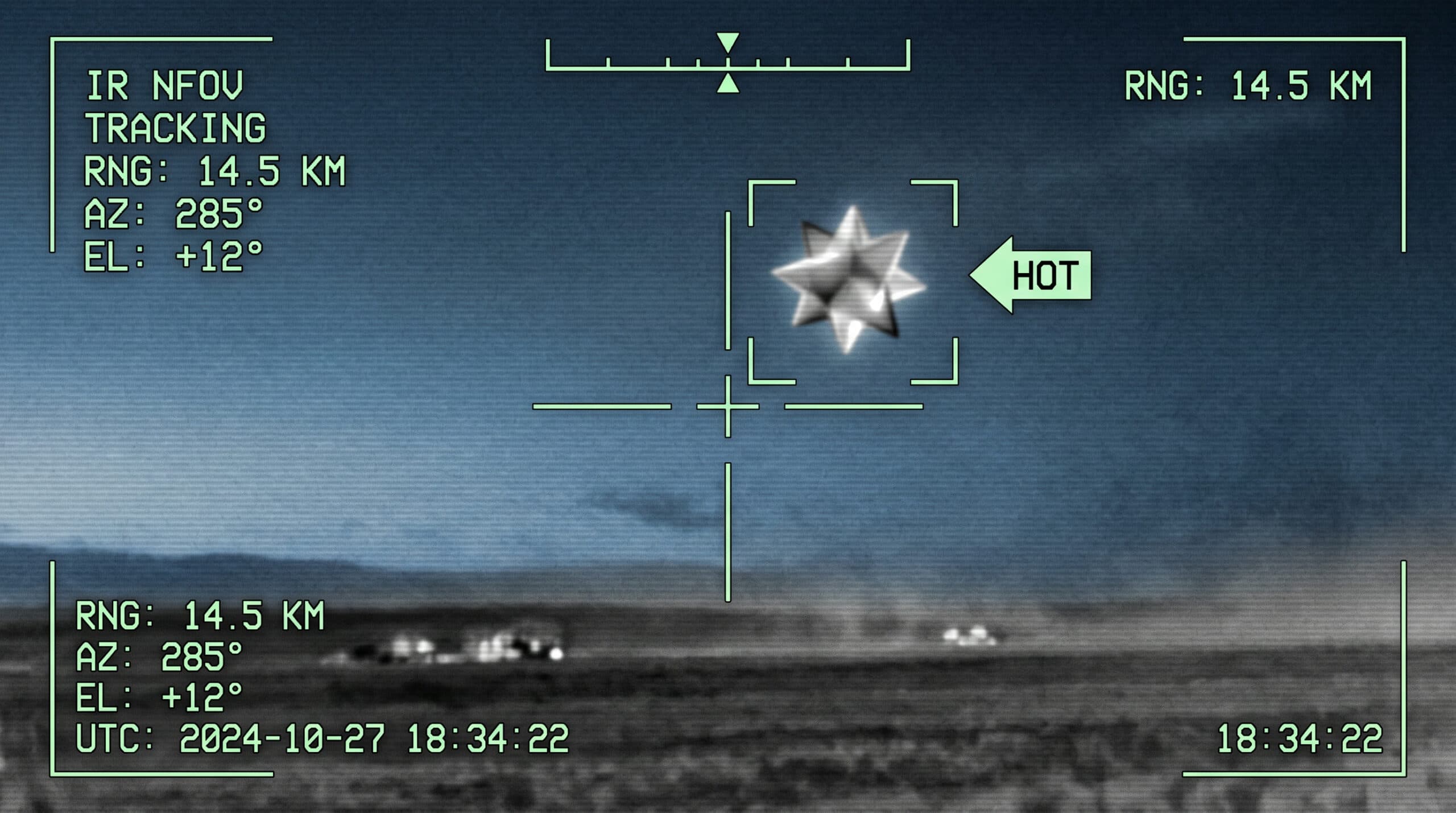


In recent discussions about space threats, the asteroid Apophis has emerged as a significant concern. Scheduled to make a close approach to Earth on April 13, 2029, this massive object has sparked interest and anxiety among scientists and the public alike.
Key Takeaways
- Asteroid Apophis is set to approach Earth within 18,500 miles in 2029.
- Various space agencies are mobilizing to prepare for potential threats.
- The asteroid’s size and proximity raise serious concerns about planetary defense.
The Close Encounter of Apophis
On April 13, 2029, the asteroid Apophis, measuring approximately 450 meters in diameter, will come alarmingly close to our planet. This distance is less than that of many geosynchronous satellites, making it a potentially hazardous asteroid. The implications of such a close encounter are profound, as even a small change in trajectory could lead to catastrophic consequences.
Understanding the Threat
NASA classifies any object within 120 million miles of Earth as a near-Earth object (NEO). Those within 4.65 million miles are deemed potentially hazardous. Apophis falls into this category due to its size and the proximity of its closest approach.
Advertisement
Potential Consequences of a Collision
While the probability of a collision remains low, the potential consequences are severe:
- Continental-scale devastation
- Global disruption
- Possible effects similar to a nuclear winter if it were to impact a densely populated area.
Global Response and Preparedness
In light of these threats, space agencies worldwide are ramping up their efforts:
- NASA has successfully altered the orbit of a non-hazardous asteroid, marking a significant step in planetary defense.
- China is planning a mission involving 23 Long March 5 rockets to target the asteroid Bennu, which is expected to approach Earth in the coming centuries.
- India, Saudi Arabia, Russia, and the European Union are also developing countermeasures to address potential asteroid threats.