Behind Barbed Wire: Inside the CIAâs Secret Prisons
This article explores the hidden world of CIA secret prisons, where detainees faced harsh realities and controversial interrogation methods. It delves into the origins, daily life, international collaborations, and the…
Art Grindstone is the hard-nosed storyteller behind Unexplained.co, a veteran investigator whose life’s work sits at the crossroads of the paranormal, fringe science, and the shadows most people try not to look into. With decades spent chasing impossible stories — black-budget psychic programs, vanished Cold War experiments, desert rituals that sparked UFO waves, and the strange phenomena buried in America’s forgotten backroads — Art brings a rare combination of skepticism, awe, and journalistic precision. He’s not here to debunk. He’s not here to blindly believe. He follows the evidence wherever it leads — even when it leads someplace deeply uncomfortable. Known for his immersive, cinematic style and his ability to turn obscure research into gripping narrative, Art has built a devoted following across podcasts, long-form features, documentaries, and serialized investigations. His interviews are direct. His analysis is unflinching. His voice has become a staple in the modern paranormal renaissance — the guy people turn to when a story is too strange, too complex, or too dangerous for anyone else to touch. Off-mic, Art works with a distributed network of researchers, archivists, and field operatives who help surface the stories mainstream media ignores. On-mic, he transforms their findings into meticulous, high-impact reporting that refuses to insult the intelligence of true believers. His philosophy is simple: Take the phenomenon seriously. Treat the audience with respect. Tell the story as if the world depends on it — because sometimes it does. When Art Grindstone digs into a case, he isn’t just chasing a mystery. He’s tracing the fault lines of reality itself.
6 min · 1,255 words
In This Report(21)
This article explores the hidden world of CIA secret prisons, where detainees faced harsh realities and controversial interrogation methods. It delves into the origins, daily life, international collaborations, and the whistleblowers who brought these practices to light.
Key Takeaways
CIA secret prisons began after 9/11, aiming to detain suspected terrorists.
Detainees experienced harsh treatment and questionable interrogation techniques.
Whistleblowers played a crucial role in exposing the abuses within these secret facilities.
Unveiling the Shadows: The Origins of CIA Secret Prisons
The Birth of Covert Detention Centers
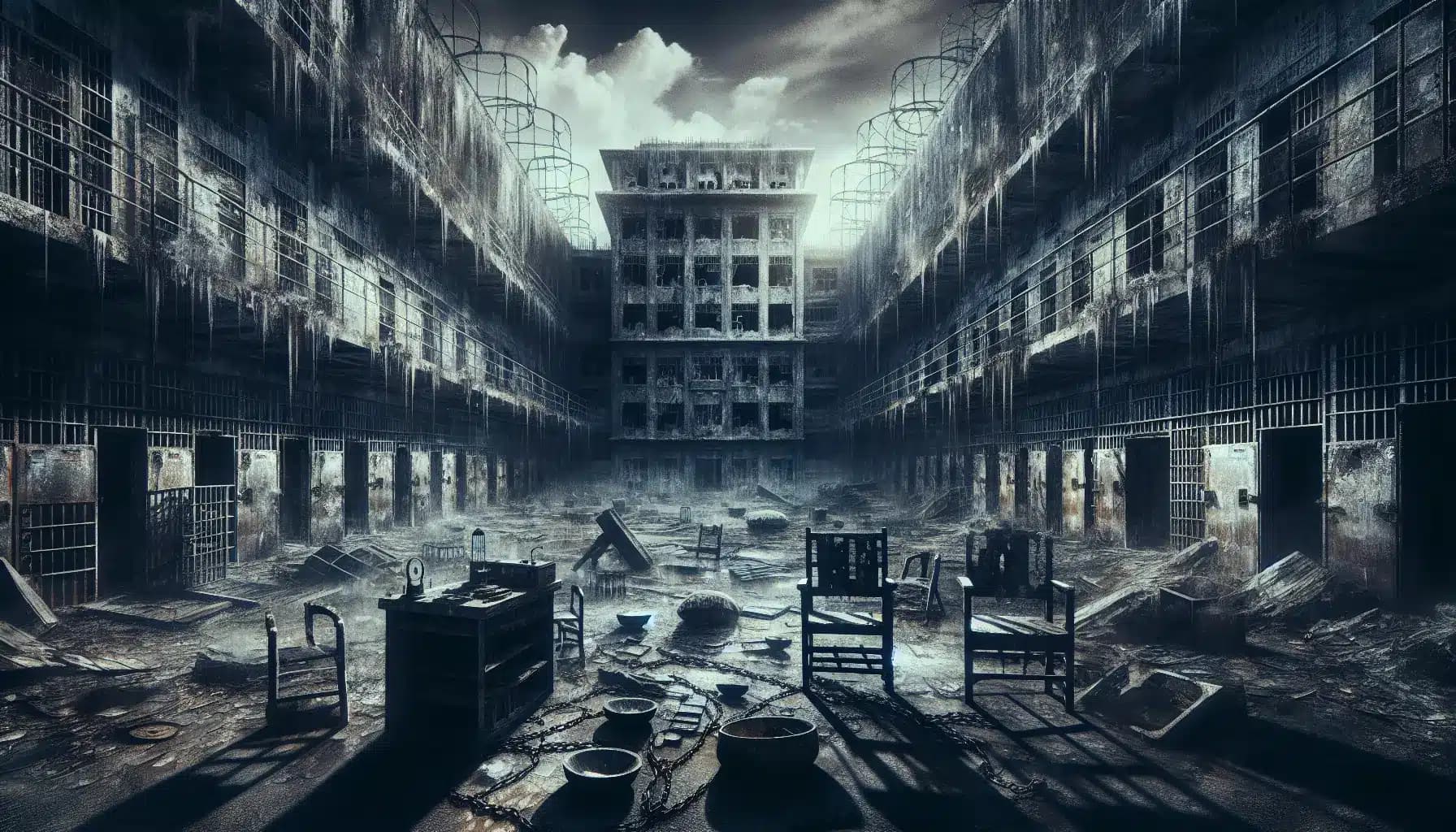
Alright, so picture this: a world just reeling from the chaos of 9/11. The CIA, in its quest to protect the nation, starts setting up secret detention centers. These aren’t your regular jails. Nope, these are covert spots where they could interrogate suspects away from prying eyes. The idea was simple but bold—keep it all under wraps to get intel without interference.
Key Figures Behind the Operations
Now, who were the brains behind these secretive operations? A bunch of high-ups in the CIA, of course. Folks like George Tenet, who was the director back then, played a big role. They had to keep everything hush-hush, you know? It wasn’t just about capturing suspects; it was about doing it in a way that nobody else knew.
Advertisement
Initial Locations and Their Secrecy
These prisons popped up in places you’d never guess. From Eastern Europe to Southeast Asia, they were everywhere. The trick was to keep them hidden, and they did a pretty good job at it for a while. Secrecy was the name of the game, and they played it well, making sure these locations stayed off the radar. They even had code names for these spots, like "Bright Light" and "Salt Pit." It’s like something straight out of a spy movie, right?
In the shadows of global politics, these secret prisons were the silent sentinels of the war on terror. They stood as a testament to the lengths a nation might go to in the name of security.
Inside the Walls: Life Within CIA Secret Prisons
Daily Routines of Detainees
Life inside these secret prisons is a world apart. Detainees are often shrouded in mystery, with their daily routines closely monitored and controlled. They wake up to the sound of clanging doors, followed by a bland breakfast. Days blur into each other, filled with long hours of isolation and minimal interaction. , and any deviation can lead to harsh consequences. Meals are simple, lacking variety, and are served at the same time every day, offering little to break the monotony.
1957 Electrogravitics Secret: The Classified Research Program Whose Watchers Have All ‘Gone’
A viral essay claims that classified electrogravitics research made real progress in the 1950s — and that everyone who knew the truth about it has since disappeared from the public record. The story is spreading through high-strangeness forums.
May 14, 2026 • 7 min read
Conspiracy Theories
Japan Just Confirmed It Has UAP Footage, and Is Analyzing Pentagon Files Near Its Borders
Japan’s formal entry into the UAP transparency wave signals an international domino effect. What the country knows about UAP encounters near Japanese territory and why it matters now.
May 14, 2026 • 5 min read
Conspiracy Theories
Japan Just Confirmed It Has UAP Footage — and Is Analyzing Pentagon Files Near Its Borders
Japan’s formal entry into the UAP transparency wave signals an international domino effect. What the country knows about UAP encounters near Japanese territory and why it matters now.
May 13, 2026 • 5 min read
Silence is the norm
Interrogation Techniques and Controversies
The methods used for interrogations have been the subject of much debate and controversy. Techniques range from psychological manipulation to physical stress, pushing the boundaries of what is considered humane. These practices have sparked outrage and led to numerous investigations. The line between gathering information and violating human rights is often blurred, creating a complex ethical dilemma that continues to haunt these operations.
Psychological Impact on Prisoners
The psychological toll on prisoners is profound. Many detainees experience severe mental health issues, stemming from prolonged isolation and the constant uncertainty of their fate. Anxiety, depression, and post-traumatic stress disorder are common, leaving lasting scars even after release. The environment is designed to break their spirit, making it a battle not just for survival, but for maintaining one’s sanity.
Living within these walls is like being trapped in a never-ending cycle of fear and uncertainty. The mind becomes both a refuge and a prison, where hope flickers dimly in the shadows of despair.
The Global Web: International Collaborations and CIA Secret Prisons
Advertisement
So, the CIA didn’t work alone in setting up these secret prisons. Nope, they had some help. Countries from Europe to the Middle East played a part. They either hosted these sites or turned a blind eye. Poland and Romania were in the spotlight for allegedly housing some of these facilities. Meanwhile, countries like Yemen provided intel to help the CIA in their operations. It’s like a global game of hide and seek, but with much higher stakes.
Legal and Ethical Dilemmas
Here’s where things get messy. You got laws and ethics clashing head-on. Countries involved faced backlash for allowing these prisons on their soil. They had to balance national security with human rights. Some folks argue these prisons were necessary to fight terrorism. Others say they crossed the line. It’s a classic "ends justify the means" debate, and it’s far from settled.
The Impact on International Relations
These secret prisons? They stirred the pot in international politics. Trust between nations took a hit. Allies questioned each other’s motives. The secrecy and the whispers of torture strained relationships. Some countries wanted to distance themselves, while others doubled down on their alliances with the U.S. It was a diplomatic juggling act, and not everyone was happy with the outcome.
Exposing the Secrets: Whistleblowers and Investigations
Key Whistleblowers and Their Revelations
Whistleblowers have this knack for shaking things up, right? Edward Snowden is probably the most famous of the bunch, spilling the beans on how the NSA was watching everyone. Then there’s Daniel Ellsberg, who back in the day, let the world know about the Pentagon Papers. And let’s not forget Chelsea Manning, who leaked a ton of military stuff to WikiLeaks. These folks, they risked everything to tell the world what was really going on.
Major Investigations and Reports
So, after these big leaks, investigations started popping up everywhere. There were committees, reports, and a lot of people in suits asking questions. Some of these investigations were like, “Whoa, what else are they hiding?” It was like opening a can of worms. The government had to answer for a lot of its actions, and sometimes, they just didn’t have good answers.
The Aftermath and Reforms
After all the dust settled, there were some changes. New laws came in, trying to make sure stuff like this wouldn’t happen again. But, let’s be real, the system isn’t perfect. People are still debating whether these changes were enough or just a band-aid fix. It’s like, can we really trust that everything’s above board now? The whole thing left a lot of folks feeling uneasy about what else might be going on behind closed doors.
The Shadows of Secrecy
As we pull back the curtain on the CIA’s secret prisons, a chilling reality emerges. Behind the barbed wire lies a world where the truth is often hidden, and the stories of those who suffered remain untold. The whispers of fear and control echo through the dark corridors of these facilities, leaving us to wonder about the true cost of national security. What we uncover may only be the tip of the iceberg, as the shadows of secrecy continue to loom large over our understanding of justice and humanity. In the end, the question lingers: how much are we willing to sacrifice in the name of safety?
Frequently Asked Questions
What are CIA secret prisons?
CIA secret prisons are hidden facilities where the Central Intelligence Agency detains individuals, often without public knowledge. These places are used for interrogation and other operations.
Why does the CIA use secret prisons?
The CIA uses secret prisons to conduct interrogations and gather intelligence away from public scrutiny. This allows them to operate without the usual legal restrictions.
How do secret prisons affect international relations?
The existence of CIA secret prisons can strain relationships with other countries, especially if those nations are unaware of the operations or if human rights violations occur.
Art Grindstone is the hard-nosed storyteller behind Unexplained.co, a veteran investigator whose life’s work sits at the crossroads of the paranormal, fringe science, and the shadows most people try not to look into. With decades spent chasing impossible stories — black-budget psychic programs, vanished Cold War experiments, desert rituals that sparked UFO waves, and the strange phenomena buried in America’s forgotten backroads — Art brings a rare combination of skepticism, awe, and journalistic precision. He’s not here to debunk. He’s not here to blindly believe. He follows the evidence wherever it leads — even when it leads someplace deeply uncomfortable. Known for his immersive, cinematic style and his ability to turn obscure research into gripping narrative, Art has built a devoted following across podcasts, long-form features, documentaries, and serialized investigations. His interviews are direct. His analysis is unflinching. His voice has become a staple in the modern paranormal renaissance — the guy people turn to when a story is too strange, too complex, or too dangerous for anyone else to touch. Off-mic, Art works with a distributed network of researchers, archivists, and field operatives who help surface the stories mainstream media ignores. On-mic, he transforms their findings into meticulous, high-impact reporting that refuses to insult the intelligence of true believers. His philosophy is simple: Take the phenomenon seriously. Treat the audience with respect. Tell the story as if the world depends on it — because sometimes it does. When Art Grindstone digs into a case, he isn’t just chasing a mystery. He’s tracing the fault lines of reality itself.