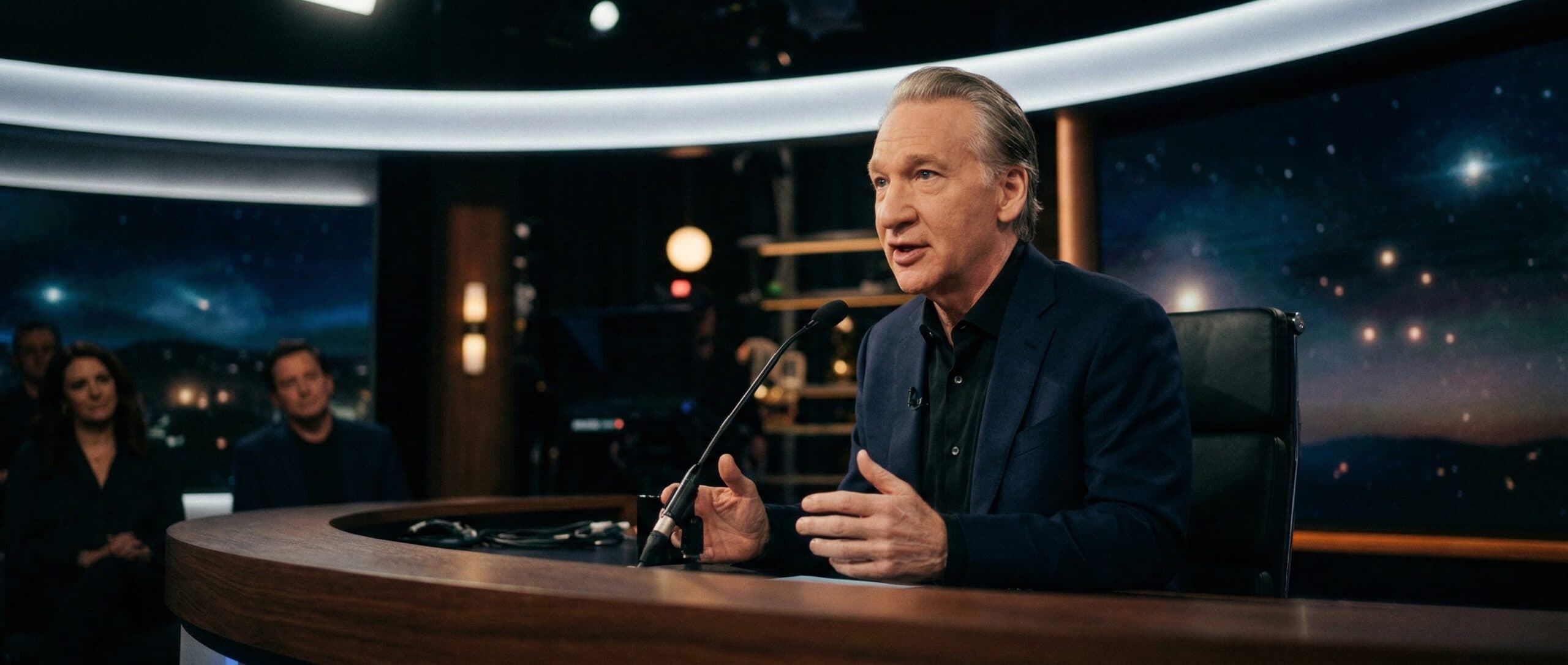
Bill Maher’s latest comments about UFOs landed because they captured something bigger than a joke. On Real Time, Maher argued that the people still dismissing UFO reports out of hand are starting to sound like the conspiracy theorists now. Coming from a political comedian long associated with reflexive skepticism, the remark hit a nerve because it suggested the cultural center of the debate may have shifted.
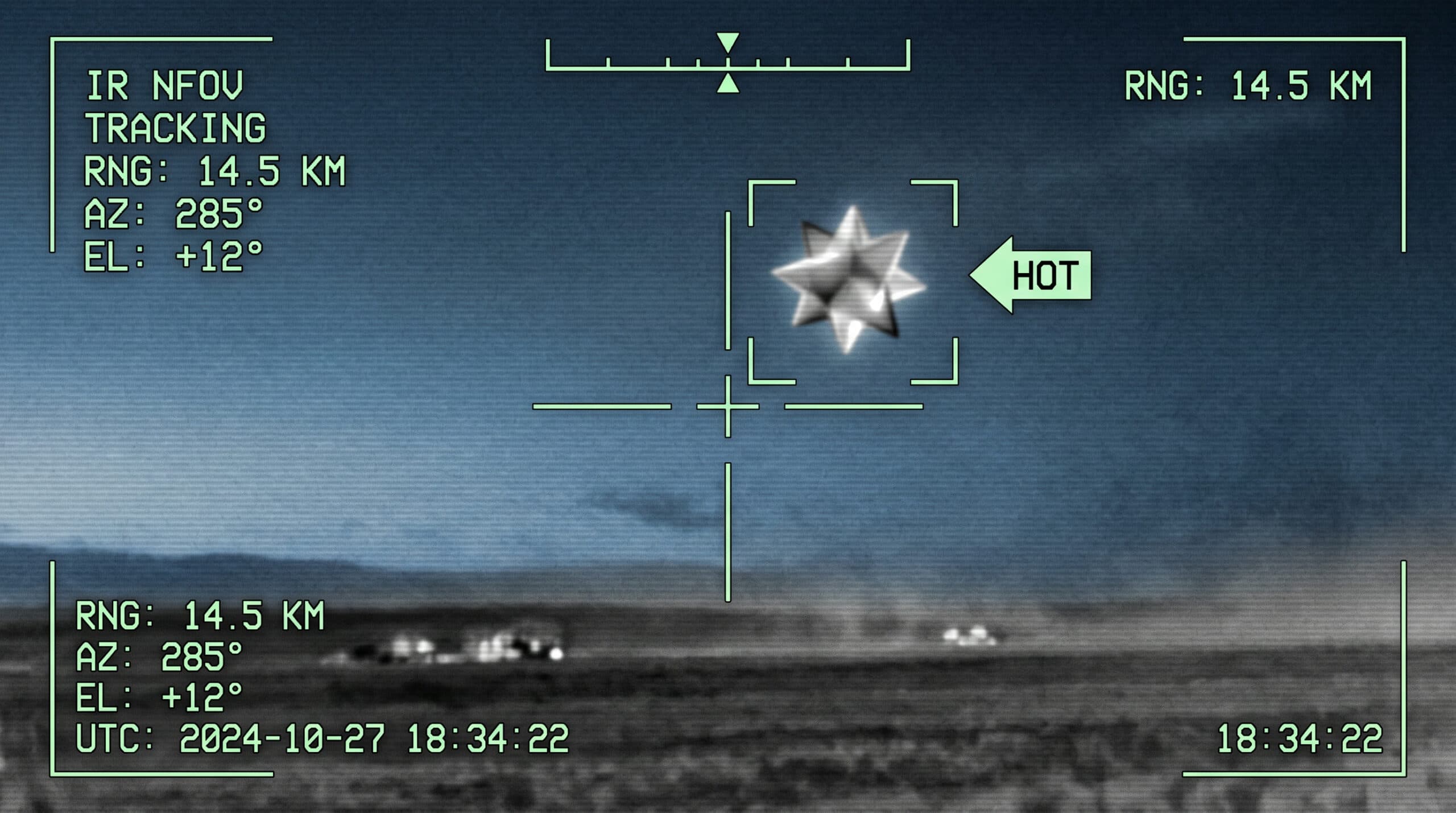
For years, the safest mainstream position was ridicule. UFO talk was treated as a playground for blurry videos, abduction tales, and late-night-radio mythmaking. Maher’s argument was that this framework no longer matches the facts on the ground. The current UAP conversation includes military pilots, congressional hearings, sensor data, and repeated official acknowledgments that some incidents remain unresolved. Once that changes, he implied, automatic dismissal starts looking less like rigor and more like habit.
His comments circulated widely after a Fox News report highlighted his line that the skeptics are now beginning to sound unreasonable. Maher did not claim proof of extraterrestrial life. What he did suggest is that the old social script—smirk first, ignore details later—has become harder to sustain now that the issue is regularly discussed by lawmakers, former intelligence officials, and defense insiders.
The stigma around UFOs has weakened dramatically
That is what makes Maher’s intervention matter. He is not a paranormal broadcaster speaking to an already sympathetic audience. He is a mainstream figure with a reputation for mocking sloppy thinking. When someone in that lane starts treating UFO ridicule as outdated, it signals that the old taboo is losing its grip.
The change did not happen overnight. In 2023, former intelligence official David Grusch testified before Congress alongside former Navy pilot Ryan Graves and retired Cmdr. David Fravor during a widely watched House Oversight hearing on UAPs. That testimony did not settle the mystery, but it changed the venue. The issue was no longer confined to fringe documentaries or niche podcasts. It had moved into open political dispute.
NASA added to that normalization when it released its independent UAP study, arguing for better data collection and more serious scientific engagement rather than ridicule or sensationalism. Again, that did not validate exotic explanations. But it did undermine the idea that the entire subject is beneath serious attention.
When skepticism becomes reflex instead of analysis
The sharpest edge in Maher’s argument is that it does not reject skepticism. It accuses a certain kind of skeptic of turning skepticism into dogma. There is a difference between demanding evidence and refusing to look at evidence because the subject has been culturally tagged as unserious. Maher was pointing at that divide.
That charge hurts because skepticism has long claimed the moral high ground in UFO debates. For decades, the skeptic’s role was easy to understand: separate science from fantasy, evidence from folklore, and misidentification from wishful thinking. But once military pilots, radar operators, intelligence personnel, lawmakers, and federal agencies all say some incidents remain genuinely unresolved, the automatic sneer starts to look less like critical thinking and more like a social reflex left over from a previous era.
This is why the cultural politics of the issue matter almost as much as the sightings themselves. The UAP debate is no longer just about whether unusual objects are in the sky. It is also about who gets to decide what counts as a respectable question. Maher’s comments resonated because they challenged an old hierarchy in which curiosity was embarrassing and dismissal was sophisticated by default.
The mainstreaming of UFO talk is now impossible to ignore
Maher’s remarks also fit into a broader pattern. UFO and UAP discussion is moving further into the mainstream not just through government channels but through entertainment, politics, and everyday media discourse. That does not mean consensus is forming around what the phenomena are. It means the social cost of discussing them seriously is dropping.
That shift is exactly why the current moment feels different from older UFO waves. In previous decades, the topic usually surged through tabloids, speculative television, or isolated incidents. Now it is sustained by institutional friction: oversight hearings, competing official narratives, whistleblower claims, and arguments over whether the Pentagon has been sufficiently transparent. Public figures like Maher are responding to that environment, not creating it out of thin air.
The result is a strange inversion. The believer-skeptic divide has not disappeared, but the burden of explanation is moving. Dismissing everything outright is no longer the intellectually lazy-free option it once was. Maher’s point, stripped of the punchline, is that a serious person should update their priors when the evidence landscape changes.
That does not prove aliens. It does, however, explain why a line like his suddenly feels plausible to millions of viewers. The argument over UFOs is no longer happening at the edge of culture. It is happening in the center of it.
Related Articles
- Anna Paulina Luna’s UFO Disclosure Push Could Change the UAP Debate
- The X-Files Reboot and Why Paranormal TV Still Shapes Belief
- The Pentagon UFO Report and What It Still Can’t Explain
This article was created using Media Blaster – Your content production specialist. Visit www.mediablaster.io for more information.