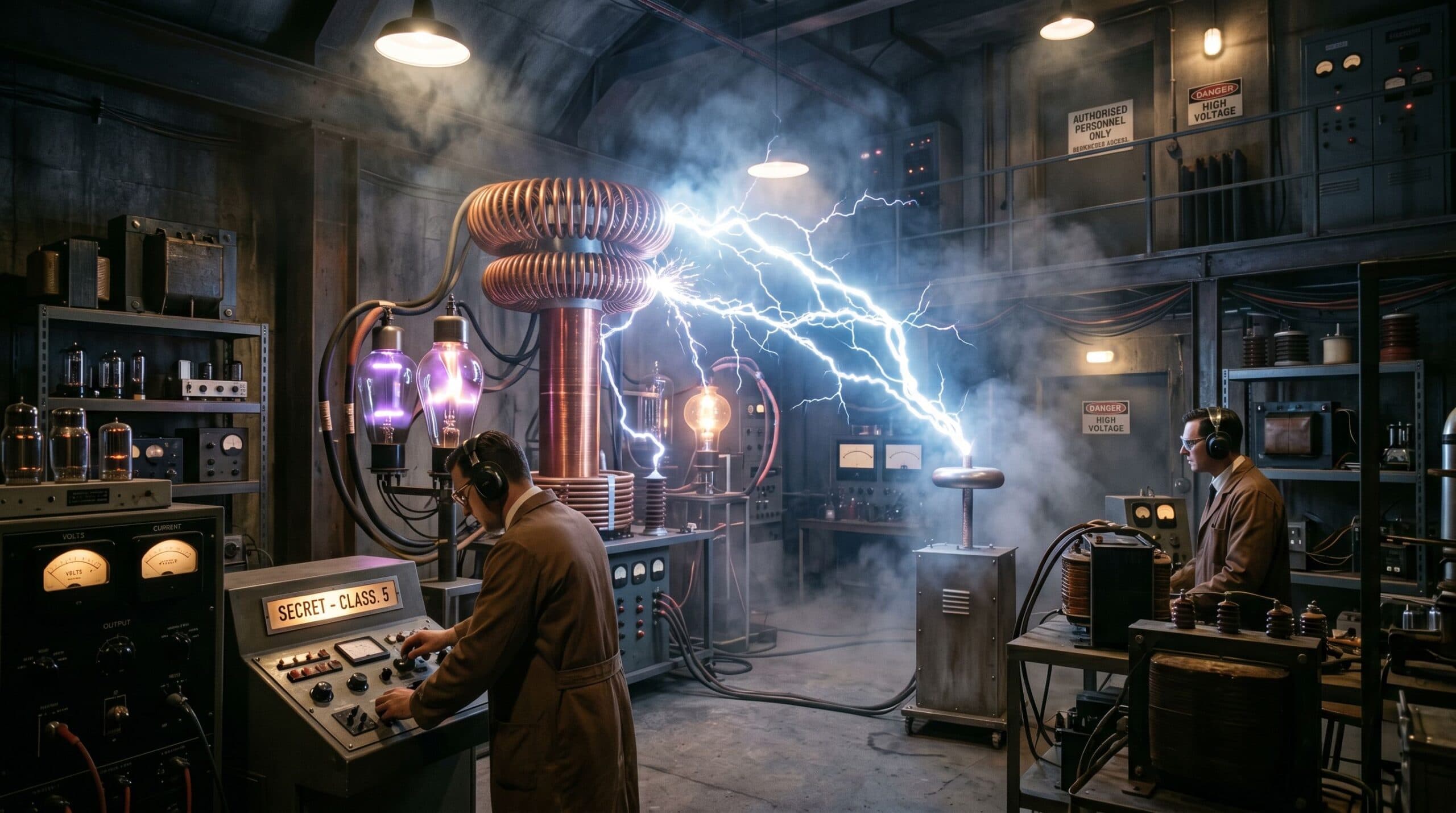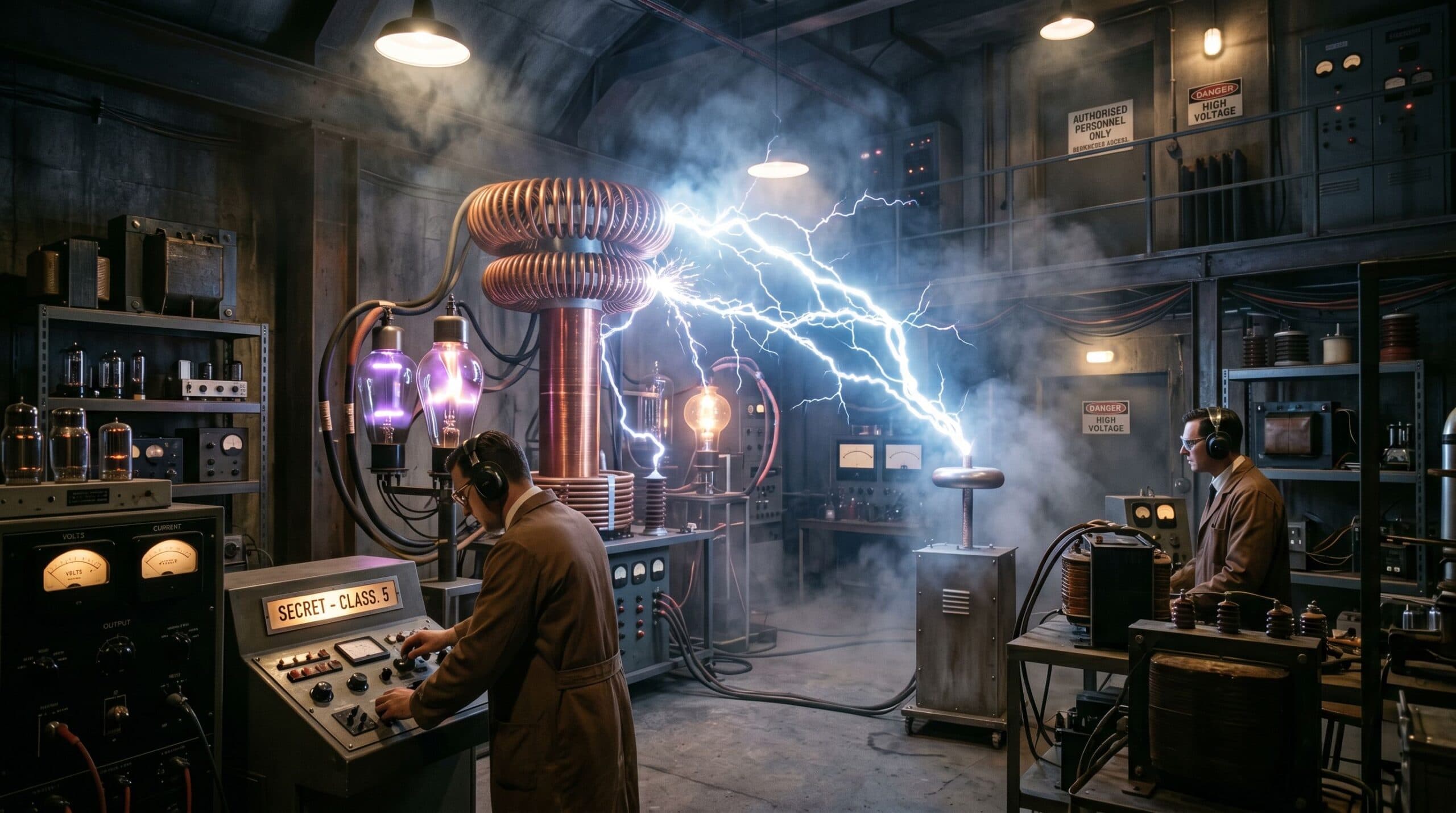


The rise of Generative AI has sparked a growing concern about the authenticity of online content. The so-called “Dead Internet Theory” suggests that the internet is increasingly dominated by artificially generated content, leading to a landscape where genuine human interaction is overshadowed. This theory is gaining traction as we witness the proliferation of synthetic content and its impact on search engines and online engagement.
Key Takeaways
- The Dead Internet Theory posits that artificial content is outpacing human-generated content.
- Major search engines may be serving a facade of depth with minimal real content.
- The phenomenon is driven by greed and the pursuit of profit rather than deliberate government action.
- Examples include the rise of fictional products like the Tesla Phone and Tesla House, which have no real existence but generate significant online interest.
Understanding The Dead Internet Theory
The Dead Internet Theory is a two-part claim. First, it asserts that the internet has been overtaken by artificially generated content, with bot interactions vastly outnumbering human ones. Second, it suggests that this shift has been orchestrated by state actors for dubious purposes. While the latter may be debated, the former is becoming increasingly evident.
The term gained popularity through various online discussions and media coverage, particularly after a post by a user named Illuminati Pirate on Agora Roads. The theory has since evolved, with many believing that search engines like Google resemble Potemkin villages—structures designed to give an illusion of depth without real substance.
Advertisement
The Role of Search Engines
Search engines are now seen as tools that present a facade of comprehensive content while serving primarily synthetic material. This trend raises concerns about the quality and authenticity of information available online. The content served is often a fraction of what is claimed, leading to a skewed perception of the internet.
The Tesla Phone Example
A prime example of this phenomenon is the Tesla Phone. Elon Musk has publicly dismissed the idea of a Tesla-branded phone, stating it would be a significant undertaking that he would prefer to avoid. Despite this, the concept has gained traction online, with search interest spiking even before Musk’s comments.
- Search Interest Timeline: The Google search interest for the Tesla Phone surged prior to Musk’s statements, indicating a disconnect between actual product development and online buzz.