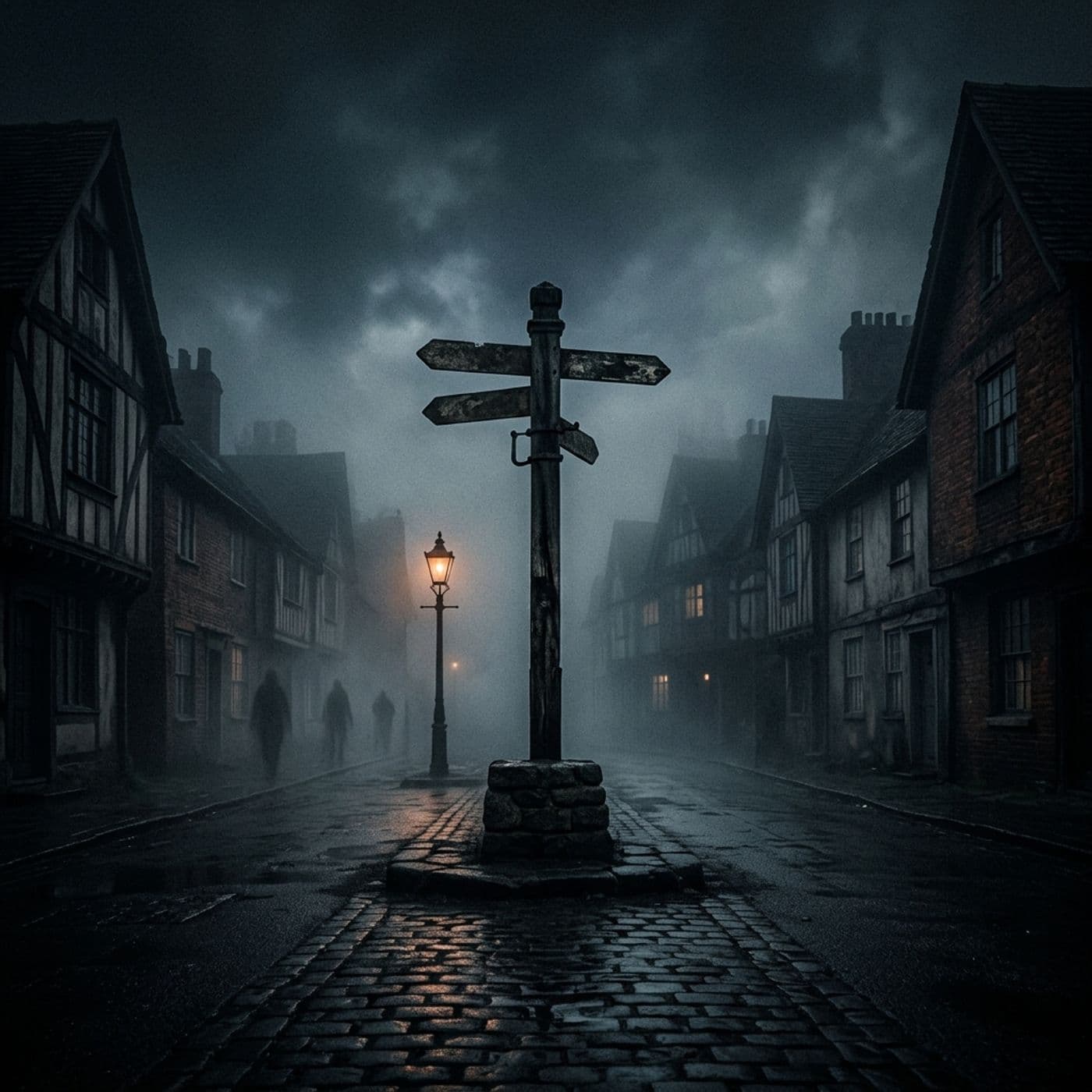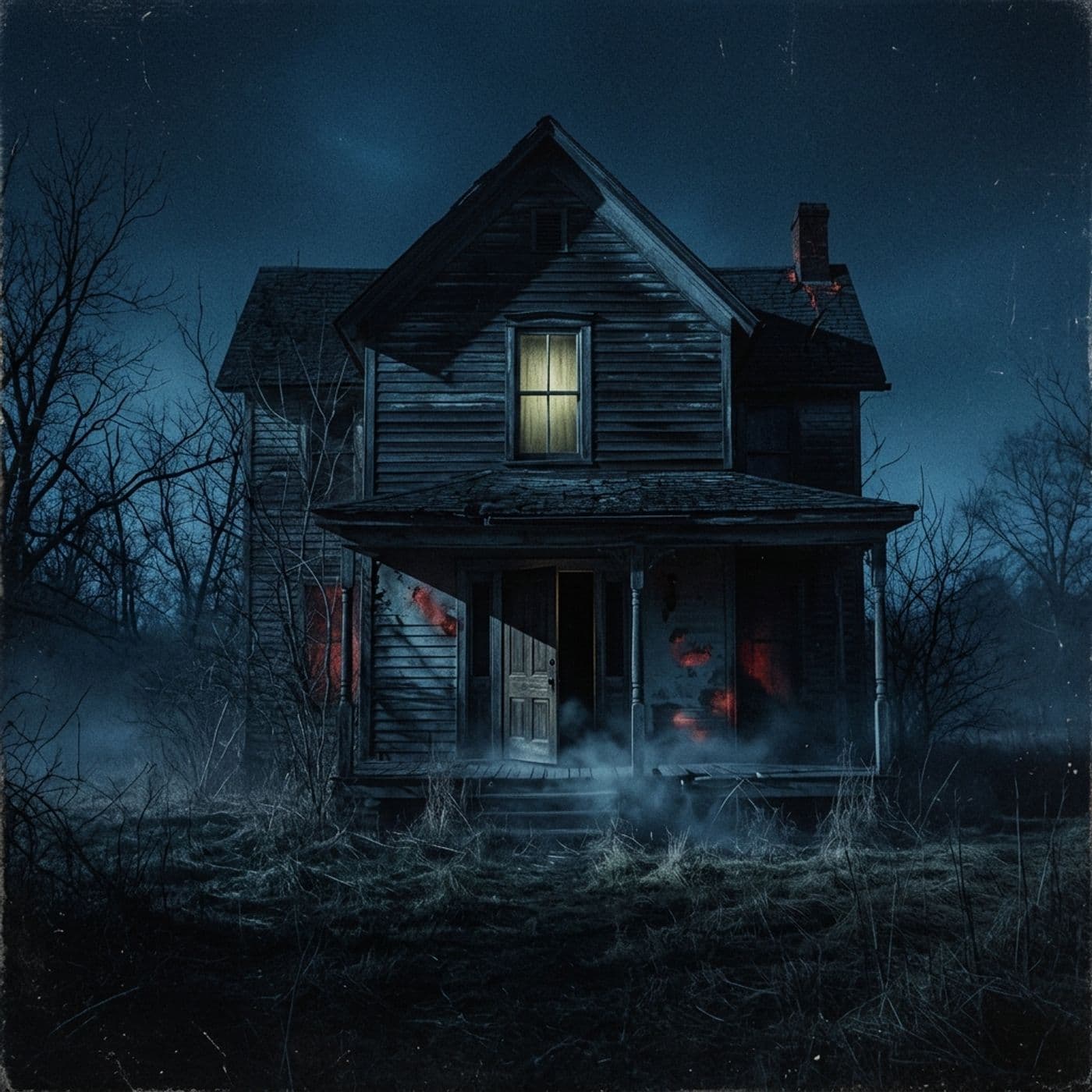
Every town has a dark side, and the world of ghosts and hauntings is no exception. Today, we’re diving into the intriguing possibilities of what lies beyond our understanding. Are ghosts real? Let’s explore the evidence and experiences that have captivated cultures throughout history.
Key Takeaways
- Ghosts are a universal belief across cultures.
- Many ghost sightings can be explained by science.
- Emotional trauma may leave a lasting imprint on locations.
- The line between the emotional and physical worlds is blurred.
When you think about a haunted place, what comes to mind? Maybe it’s an old stone castle in the UK or a creepy motel that’s been abandoned for years. The truth is, every culture has its own stories of spirits and supernatural encounters. From the ancient Epic of Gilgamesh, which tells of a ghost visiting a friend, to modern ghost-hunting shows, the fascination with the supernatural is timeless.
Despite advancements in science, nearly half of Americans believe in ghosts, with 20% claiming to have encountered one. This raises questions: Why do so many people believe in something that can’t be definitively proven?
What Are Ghosts?
Ghosts are known by many names across cultures. The ancient Egyptians called them Ak, while in Japan, they are referred to as Yuri. In the West, we often think of ghosts as shadowy figures or whispers in the dark. But what if these beliefs stem from something deeper?
- Cultural Beliefs: Different cultures have unique interpretations of ghosts, but they all share a common thread: the belief that some part of us survives death.
- Common Experiences: Many people report similar ghostly experiences, like feeling watched or hearing unexplained noises.
Science and Ghosts
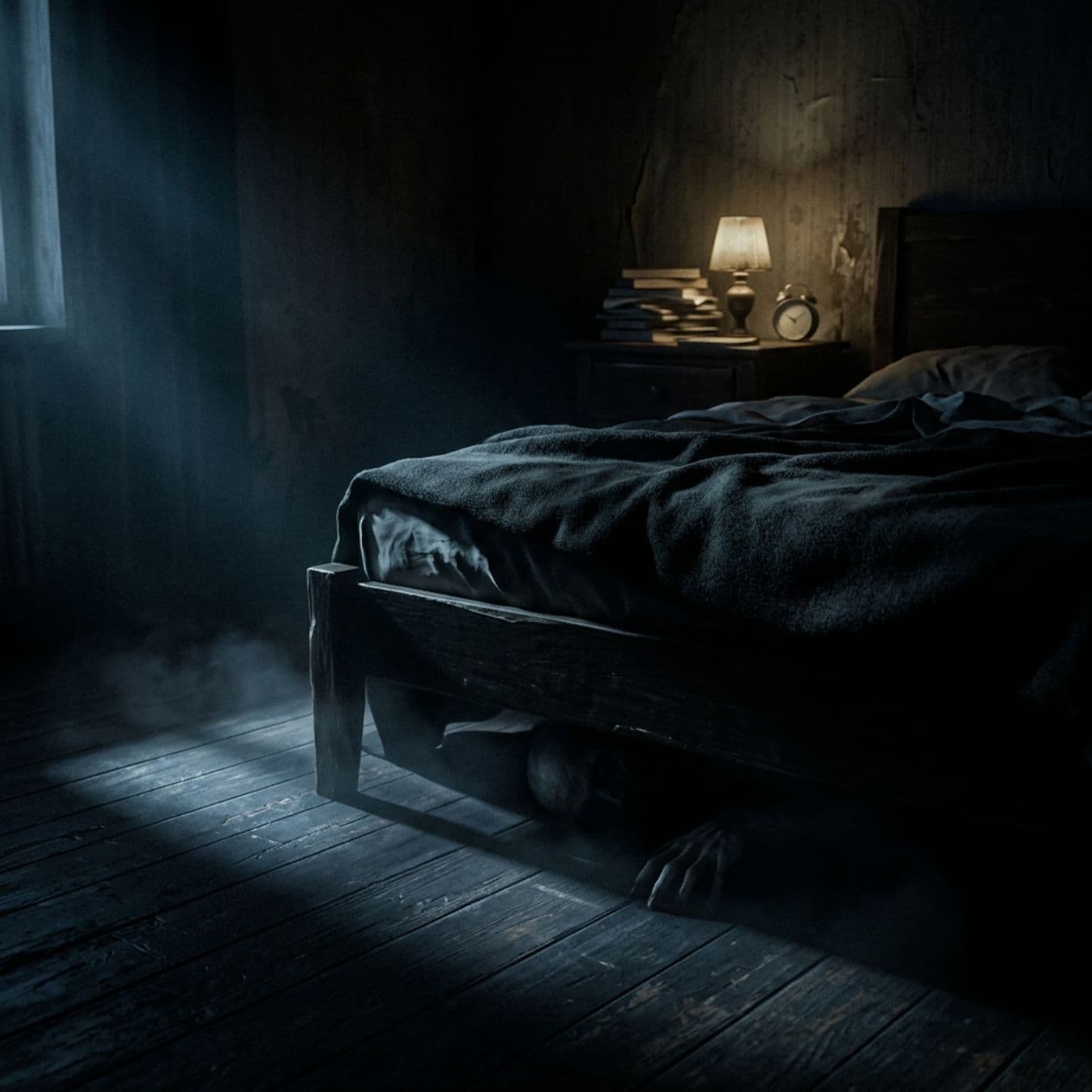
Science has attempted to explain many ghostly experiences. For instance, sleep paralysis can create terrifying sensations of an evil presence. This occurs when the brain is awake, but the body remains in a sleep state, leading to vivid hallucinations.
However, not all ghost sightings can be explained away. What about those moments when people see figures during the day? Our brains are wired to find patterns, which can lead to misinterpretations of what we see. This phenomenon, known as pareidolia, explains why we might see faces in clouds or shadows in our homes.
The Haunting of Mrs. H
In 1921, a family reported a haunting that turned out to be caused by carbon monoxide poisoning. Mrs. H heard footsteps and felt a presence, but it was the gas from a malfunctioning furnace that caused their symptoms. This case highlights how easily our minds can jump to supernatural conclusions when faced with fear and confusion.
Emotional Energy and Hauntings
While science can explain some ghostly encounters, there’s a fascinating connection between hauntings and emotional trauma. Many famous hauntings are linked to traumatic events. For example:
- The White House: Haunted by the ghost of Abraham Lincoln, often seen during national crises.
- The RMS Queen Mary: Known for hauntings tied to deaths during its service in WWII.
- The Chelsea Hotel: A hotspot for artists and musicians who have died there.
Could it be that these locations hold onto the emotional energy of past events? Some researchers suggest that certain materials, like limestone and quartz, might act as natural recorders of emotional experiences.
The Blurry Line Between Worlds
As we explore these ideas, it becomes clear that the line between the emotional and physical worlds is not as distinct as we once thought. Ghosts may not be spirits of the dead but rather echoes of intense emotional experiences. This perspective allows us to see haunted locations as records of human emotion, where the past lingers in the present.
In conclusion, the world of ghosts and hauntings is complex and deeply rooted in human experience. Whether you believe in the supernatural or not, the stories and feelings associated with hauntings are undeniably real. As we continue to explore these mysteries, we may find that understanding our emotional connections to these places is just as important as seeking out the truth behind the ghosts themselves.
So, what do you think? Are ghosts real, or are they simply reflections of our emotional past? Join us next week for more strange and mysterious stories, because you never know—maybe your town will be next!