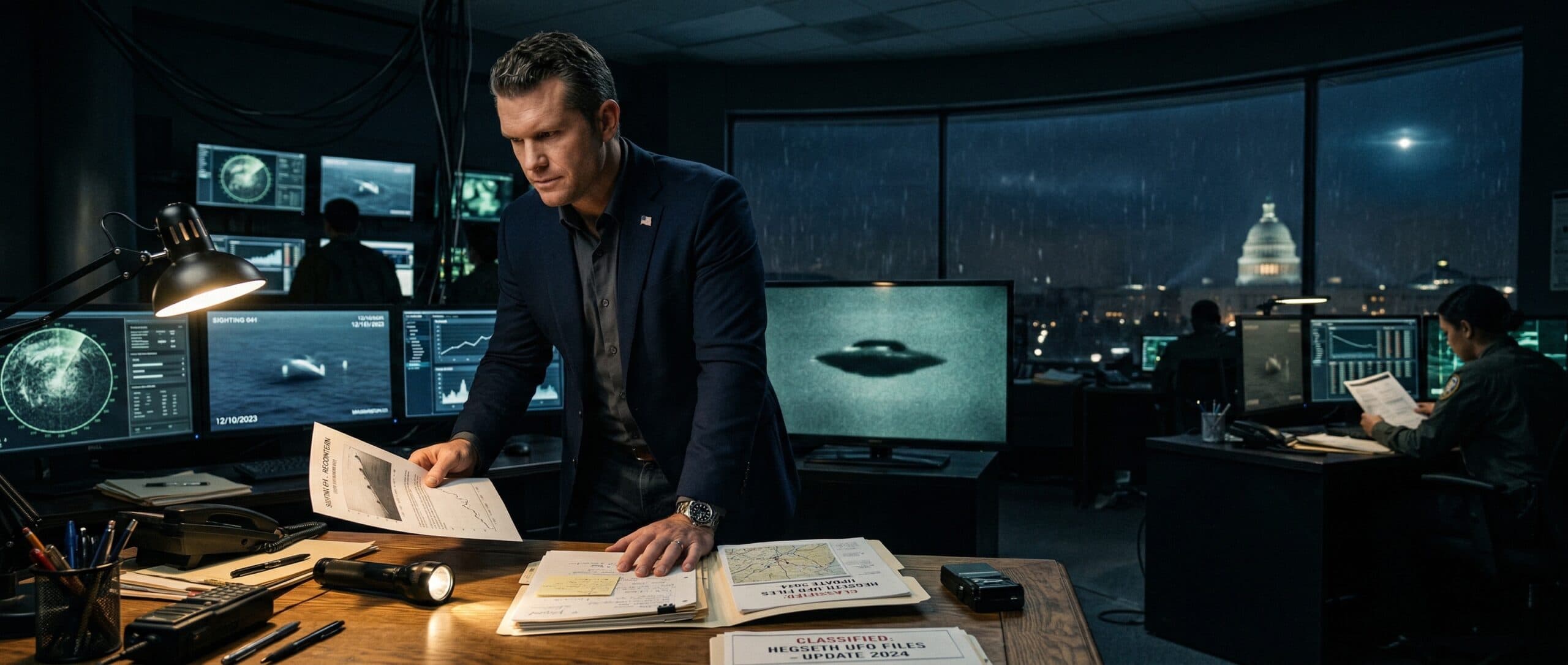
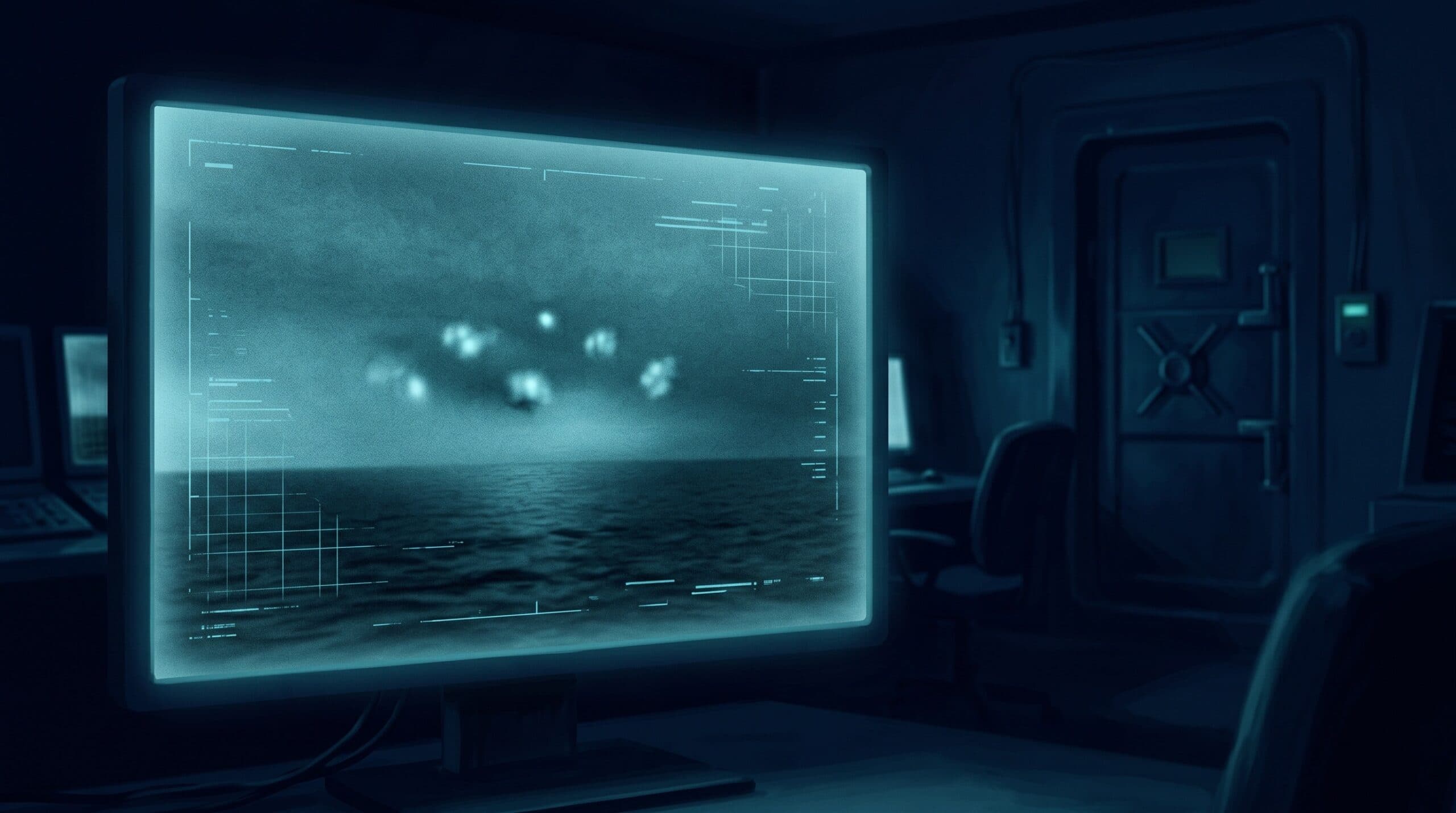
The U.S. government’s promised UFO/UAP file release is still in the hype phase, but it got a fresh jolt this week after Defense Secretary Pete Hegseth publicly said the Pentagon is “working” on identifying and releasing…
Art Grindstone is the hard-nosed storyteller behind Unexplained.co, a veteran investigator whose life’s work sits at the crossroads of the paranormal, fringe science, and the shadows most people try not to look into. With decades spent chasing impossible stories — black-budget psychic programs, vanished Cold War experiments, desert rituals that sparked UFO waves, and the strange phenomena buried in America’s forgotten backroads — Art brings a rare combination of skepticism, awe, and journalistic precision. He’s not here to debunk. He’s not here to blindly believe. He follows the evidence wherever it leads — even when it leads someplace deeply uncomfortable. Known for his immersive, cinematic style and his ability to turn obscure research into gripping narrative, Art has built a devoted following across podcasts, long-form features, documentaries, and serialized investigations. His interviews are direct. His analysis is unflinching. His voice has become a staple in the modern paranormal renaissance — the guy people turn to when a story is too strange, too complex, or too dangerous for anyone else to touch. Off-mic, Art works with a distributed network of researchers, archivists, and field operatives who help surface the stories mainstream media ignores. On-mic, he transforms their findings into meticulous, high-impact reporting that refuses to insult the intelligence of true believers. His philosophy is simple: Take the phenomenon seriously. Treat the audience with respect. Tell the story as if the world depends on it — because sometimes it does. When Art Grindstone digs into a case, he isn’t just chasing a mystery. He’s tracing the fault lines of reality itself.
5 min · 1,064 words
In This Report(11)
The U.S. government’s promised UFO/UAP file release is still in the hype phase, but it got a fresh jolt this week after Defense Secretary Pete Hegseth publicly said the Pentagon is “working” on identifying and releasing files tied to UFOs, extraterrestrial life, UAPs, and UFO-related records under President Trump’s directive. That matters because the story has shifted from campaign-style promise to bureaucratic process story: believers want disclosure, skeptics expect a paper dump, and the Pentagon is now on record saying the review is active. According to TIME, this story is drawing attention well beyond its original niche.
This is one of those perennial unexplained stories that keeps reinventing itself. It’s no longer just grainy sightings or whistleblower testimony. Now it’s about process, secrecy, classified review, and whether the machinery of government can ever produce the kind of revelation the UFO community imagines.
What Happened
The real tension is simple: disclosure culture runs on anticipation, while government record review runs on delay, redaction, compartmentalization, and legal caution. Reporting from CNN adds context to how the story is being framed.
Advertisement
President Trump said in February 2026 that federal agencies should begin identifying and releasing files related to alien life, UAPs, UFOs, and connected records.
On March 30, Defense Secretary Pete Hegseth told reporters the Pentagon is actively working on it and would be in “full compliance” with Trump’s instructions.
TIME framed the moment as an update rather than a release: the files are not out, but the bureaucracy is now publicly acknowledging the task.
CNN and other outlets have already been asking the core question: why has nothing substantial been released yet, and what would such a release even look like?
The story is getting extra oxygen from political soundbites, old Area 51 lore, Obama’s recent clarification on alien-life comments, and renewed chatter around new government domains and disclosure branding.
What Evidence Exists
Here’s what is known: The U.S. government’s promised UFO/UAP file release is still in the hype phase, but it got a fresh jolt this week after Defense Secretary Pete Hegseth publicly said the Pentagon is “working” on identifying and releasing files tied to UFOs, extraterrestrial life, UAPs, and UFO-related records under President Trump’s directive. That matters because the story has shifted from campaign-style promise to bureaucratic process story: believers want disclosure, skeptics expect a paper dump, and the Pentagon is now on record saying the review is active.
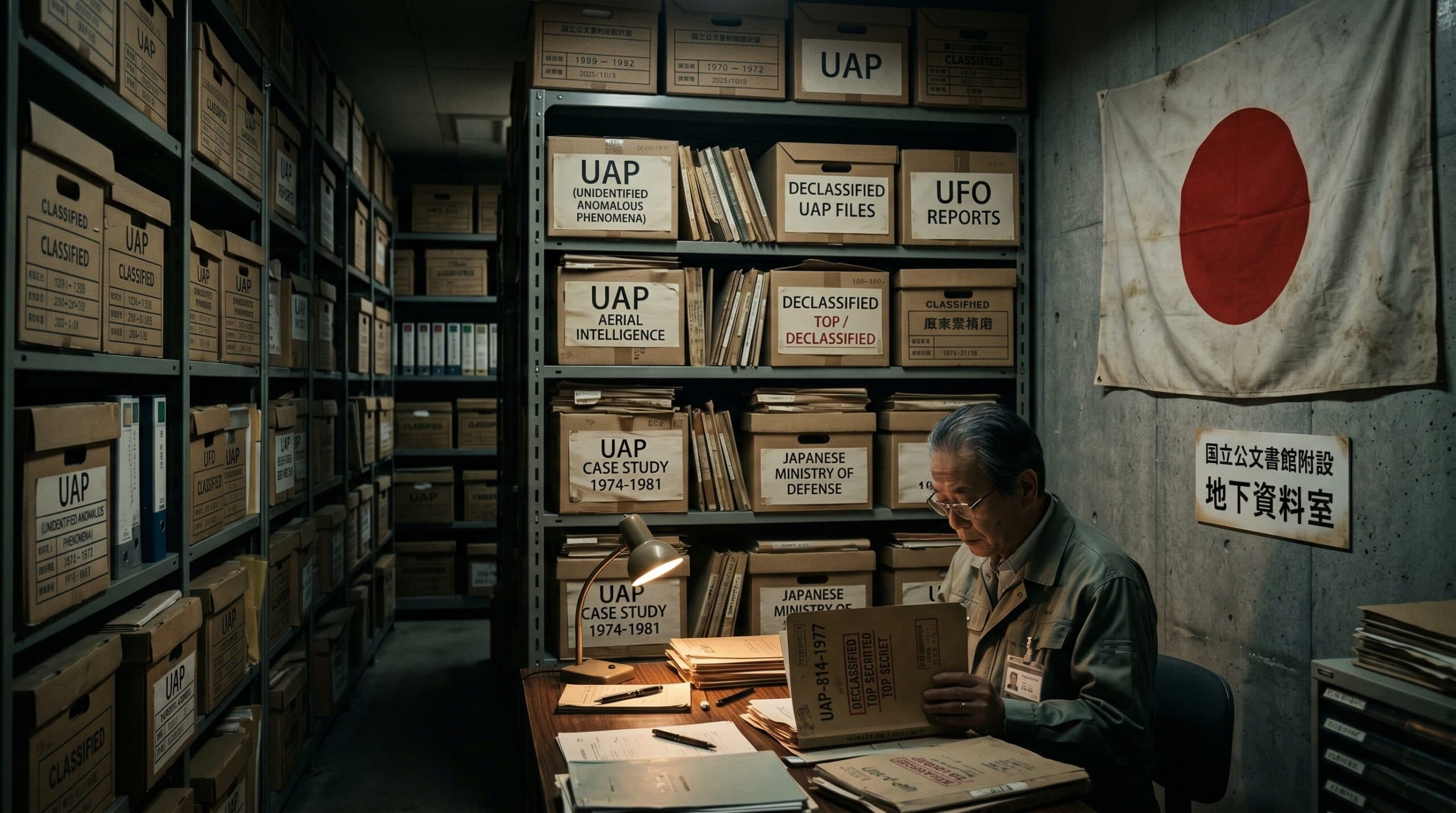
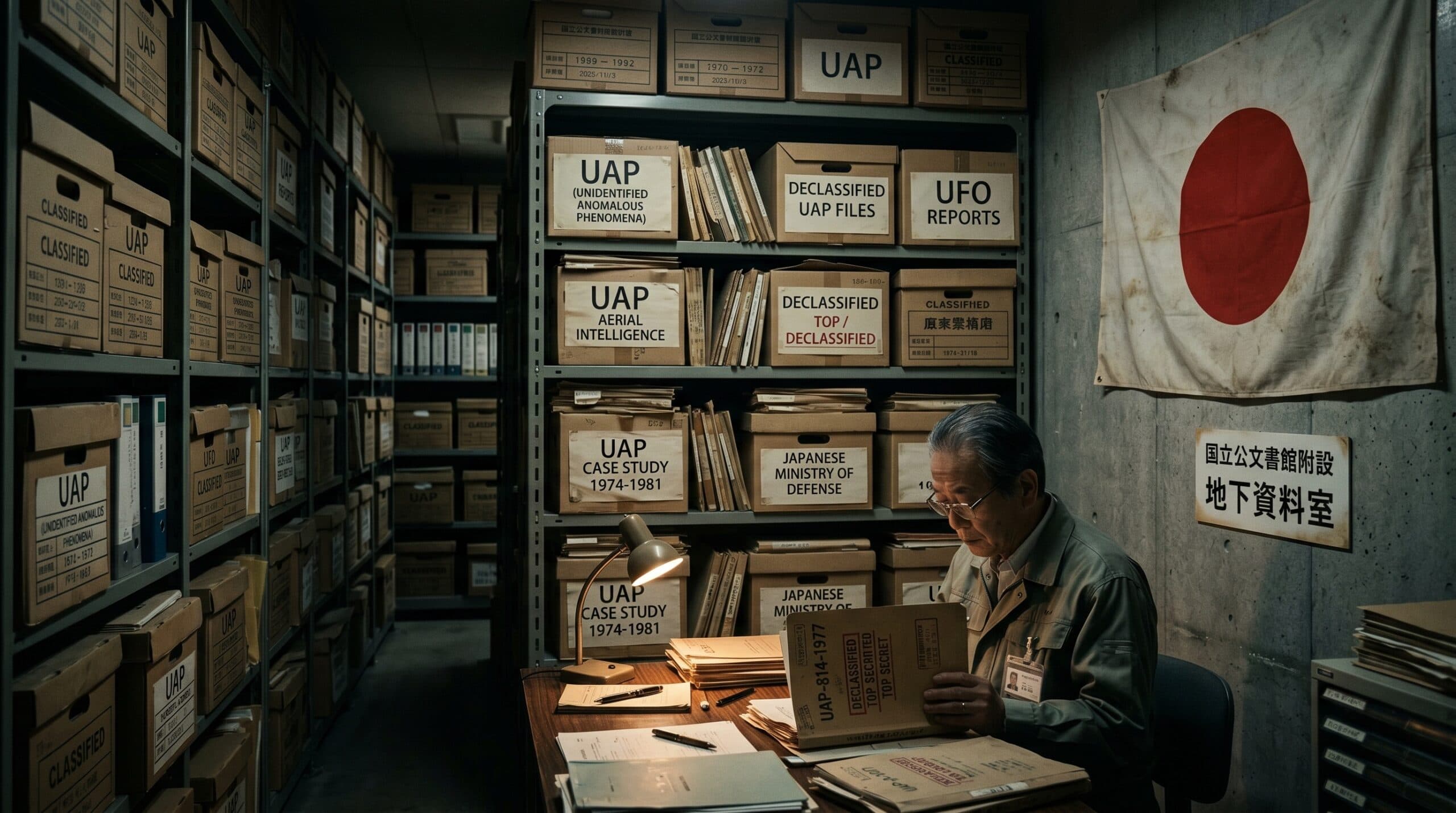
Japan Just Confirmed It Has UAP Footage — and Is Analyzing Pentagon Files Near Its Borders
Japan’s formal entry into the UAP transparency wave signals an international domino effect. What the country knows about UAP encounters near Japanese territory and why it matters now.
May 13, 2026 • 5 min read
Conspiracy Theories
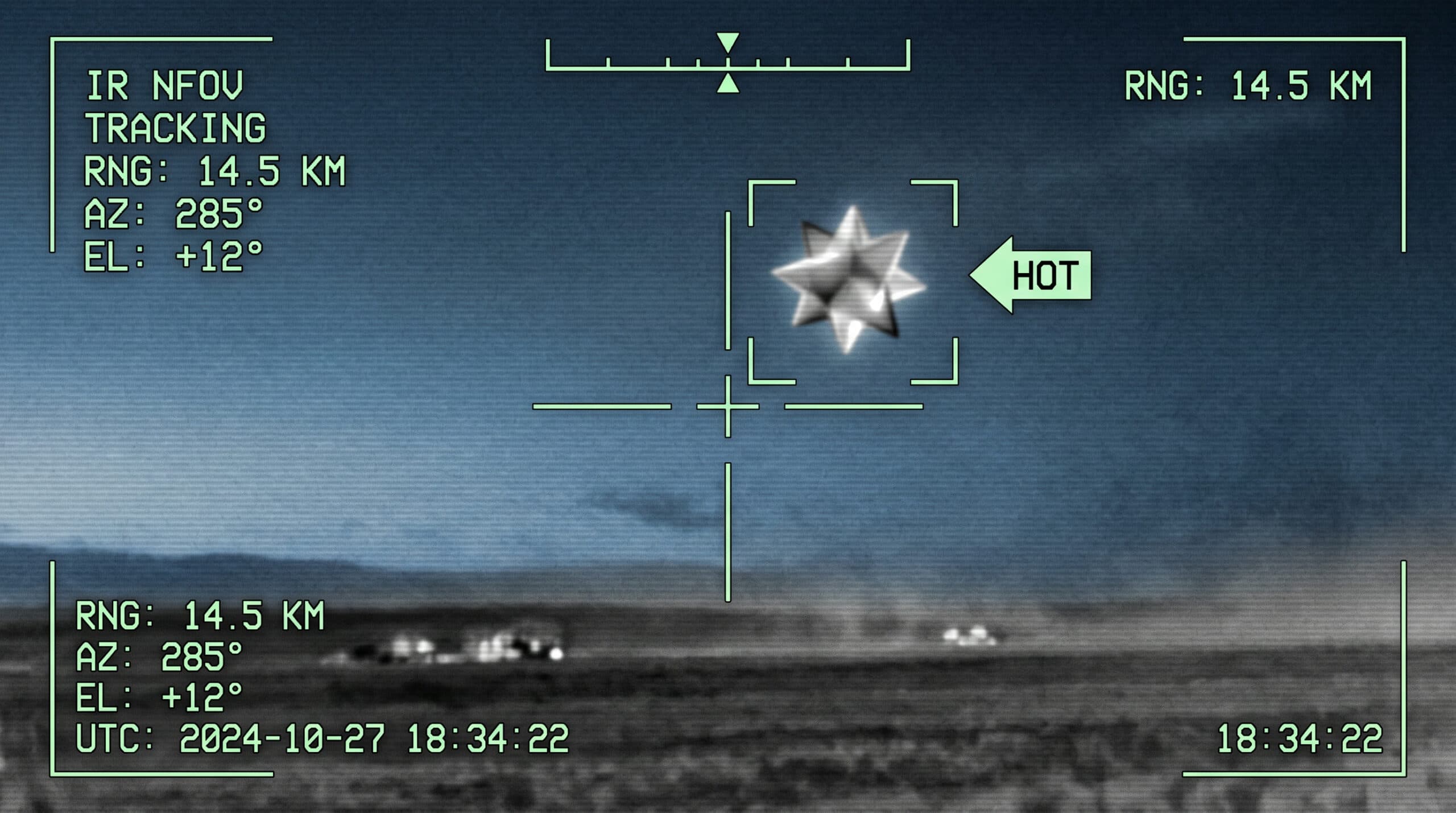
Ukrainian Defense Ministry Advisor Posts Star-Shaped UAP Video — and the Close-Ups Look Nothing Like a Drone
Serhii ‘Flash’ Beskrestnov released footage of a structured, star-shaped craft over Ukraine that has UFO researchers examining every frame for proof.
May 14, 2026 • 6 min read
UFO & Aliens
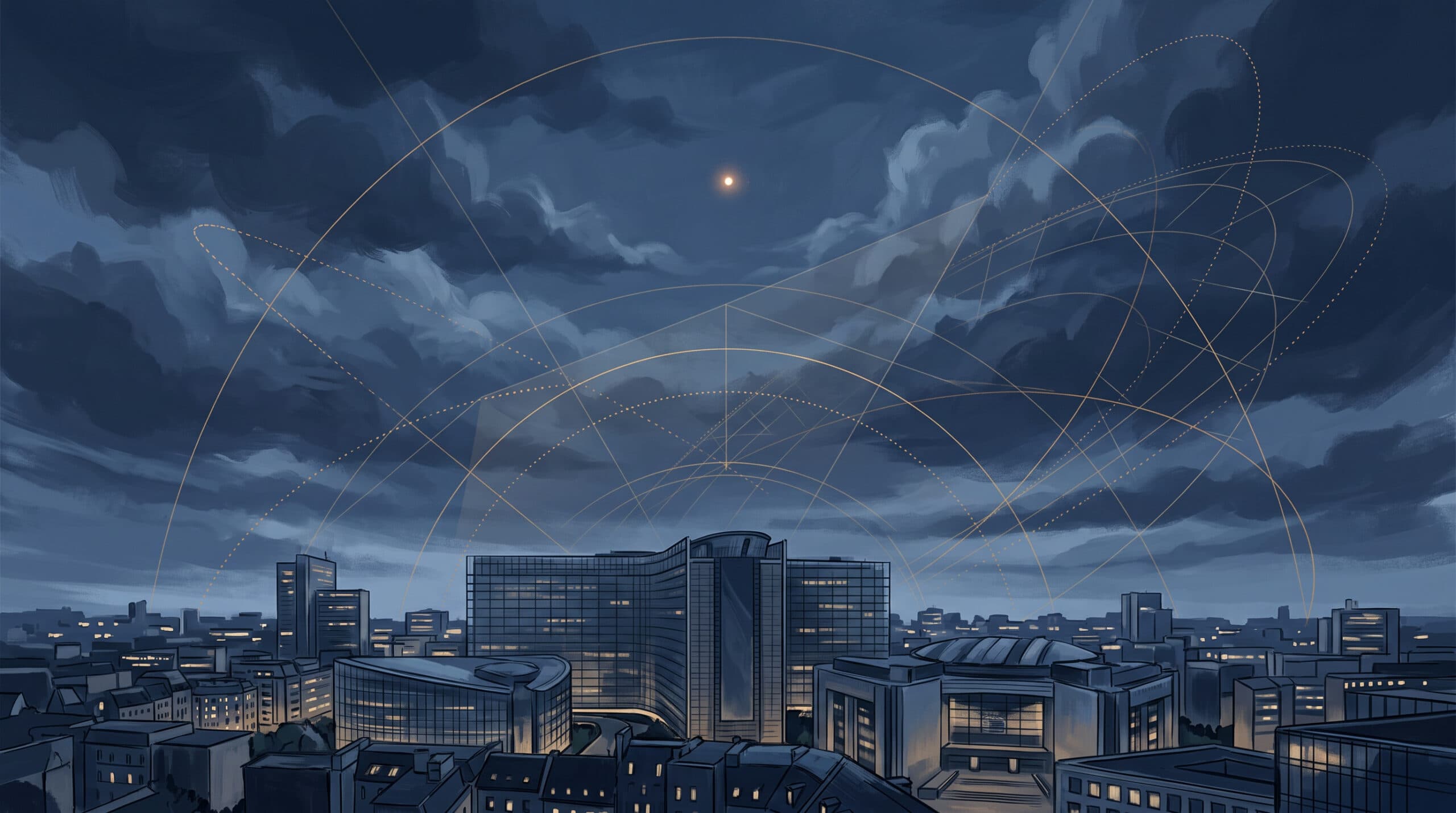
Europe Has Been Quietly Tracking UAP Reports Since 2023
Documents reveal how the European Commission handled UAP images, what it promised to improve, and why Europe still lacks a public investigation office.
Aug 17, 2026 • 8 min read
The strongest evidence in stories like this is often not a final proof object, but a mixture of witness accounts, media framing, prior folklore, and the cultural weight of the subject itself. That is why separating verified facts from interpretation matters.
Authoritative coverage and primary reporting should stay central to the analysis, including sources such as:
Researchers and skeptics have argued that unexplained stories often grow fastest when the emotional framing is stronger than the evidentiary record. That does not mean the story is meaningless. It means the burden of proof and the burden of interpretation are not the same thing.
The most widely cited explanation is usually the least exotic one that still fits the known facts. But unresolved cases persist because the simplest explanation does not always feel emotionally complete to the audience following them.
Why It Matters
It keeps UFO disclosure in the mainstream news cycle
This is not just niche-UFO media anymore. TIME and CNN covering it means the topic has crossed into normal political and national-security conversation.
The gap between promise and release creates its own conspiracy fuel
If the files take too long, believers will say there’s a cover-up. If the files are mundane, believers will say the real material was withheld. Delay itself becomes part of the mythology.
It reframes UFOs as an institutions story
The interesting angle here is less “are aliens real?” and more “how does classified information move through government once disclosure becomes a political demand?”
It could become a culture-war and election-adjacent narrative
The topic now sits at the crossroads of national security, transparency, anti-elite suspicion, and internet conspiracy culture. That’s fertile ground for unexplained-content audiences.
It opens a bigger question about what counts as disclosure
Would disclosure mean raw documents? curated summaries? military footage? scientific analysis? witness testimony? The public appetite is cinematic; the likely government output is administrative.
Advertisement
The Bigger Unexplained Angle
What gives this topic staying power is not just the headline claim, but the way it plugs into deeper themes: secrecy, folklore, institutional mistrust, symbolic fear, wonder, and the human tendency to keep revisiting mysteries that never fully resolve.
That is exactly why the unexplained-wordpress standard requires more than a quick summary. Strong articles need context, internal discovery, authoritative links, explicit uncertainty, and sections that can stand on their own for readers and AI systems alike.
The U.S. government’s promised UFO/UAP file release is still in the hype phase, but it got a fresh jolt this week after Defense Secretary Pete Hegseth publicly said the Pentagon is “working” on identifying and releasing files tied to UFOs, extraterrestrial life, UAPs, and UFO-related records under President Trump’s directive. That matters because the story has shifted from campaign-style promise to bureaucratic process story: believers want disclosure, skeptics expect a paper dump, and the Pentagon is now on record saying the review is active.
Why is this getting attention now?
It keeps UFO disclosure in the mainstream news cycle. This is not just niche-UFO media anymore. TIME and CNN covering it means the topic has crossed into normal political and national-security conversation.
Is Hegseth UFO Files Update proven?
No. These articles are written to separate what is verified, what is claimed, and what remains uncertain. Mystery does not automatically equal proof.
What should readers focus on?
Focus on the evidence, the source quality, the skeptical or conventional explanations, and why the story still resonates even when certainty is missing.
Art Grindstone is the hard-nosed storyteller behind Unexplained.co, a veteran investigator whose life’s work sits at the crossroads of the paranormal, fringe science, and the shadows most people try not to look into. With decades spent chasing impossible stories — black-budget psychic programs, vanished Cold War experiments, desert rituals that sparked UFO waves, and the strange phenomena buried in America’s forgotten backroads — Art brings a rare combination of skepticism, awe, and journalistic precision. He’s not here to debunk. He’s not here to blindly believe. He follows the evidence wherever it leads — even when it leads someplace deeply uncomfortable. Known for his immersive, cinematic style and his ability to turn obscure research into gripping narrative, Art has built a devoted following across podcasts, long-form features, documentaries, and serialized investigations. His interviews are direct. His analysis is unflinching. His voice has become a staple in the modern paranormal renaissance — the guy people turn to when a story is too strange, too complex, or too dangerous for anyone else to touch. Off-mic, Art works with a distributed network of researchers, archivists, and field operatives who help surface the stories mainstream media ignores. On-mic, he transforms their findings into meticulous, high-impact reporting that refuses to insult the intelligence of true believers. His philosophy is simple: Take the phenomenon seriously. Treat the audience with respect. Tell the story as if the world depends on it — because sometimes it does. When Art Grindstone digs into a case, he isn’t just chasing a mystery. He’s tracing the fault lines of reality itself.