Hollywood, Aliens, and the Disclosure Narrative | Unexplained
UFO & Aliens
Hollywood, Aliens, and the Disclosure Narrative
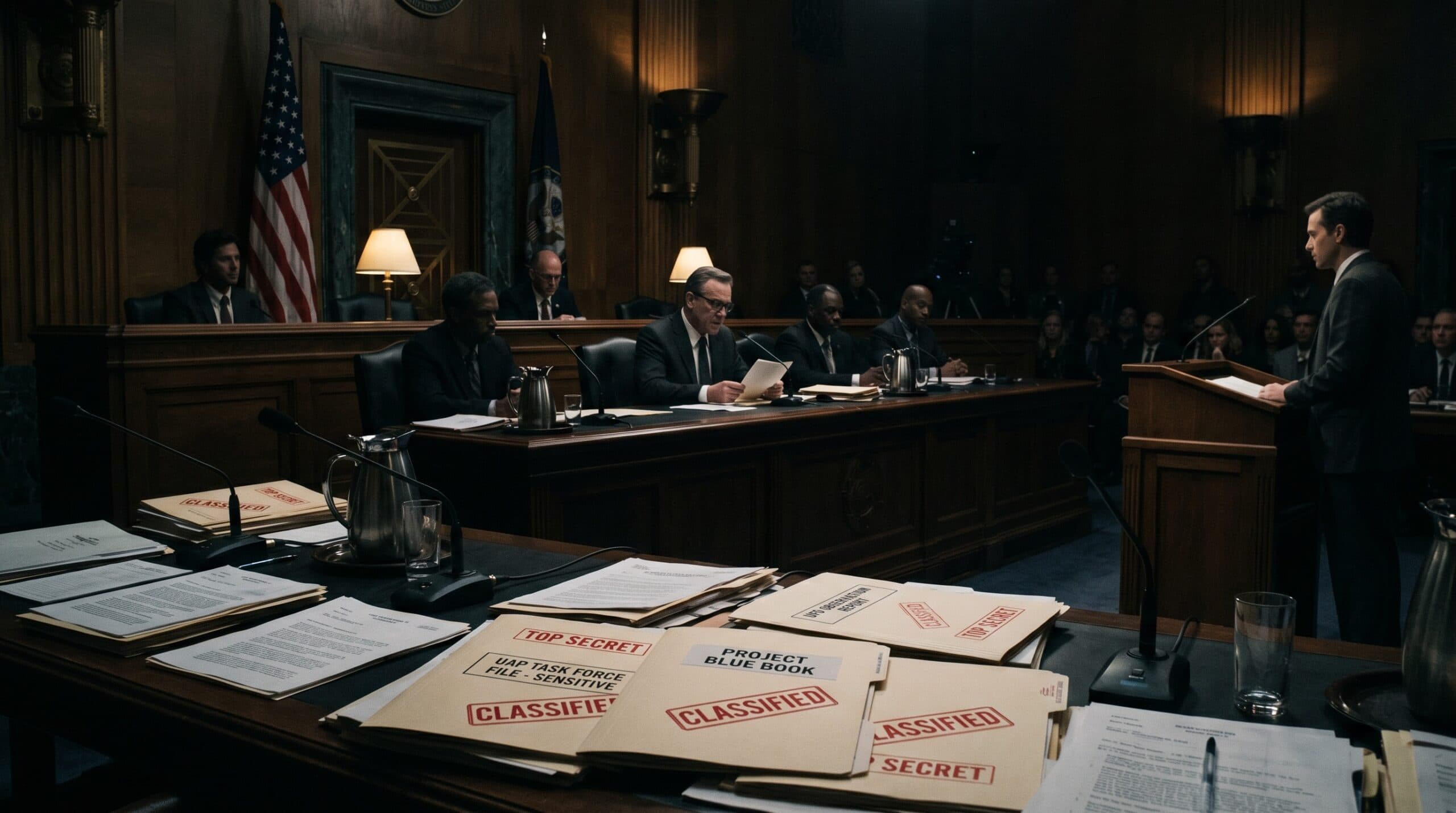
A fresh AP piece argues that Hollywood has spent decades shaping the public imagination around extraterrestrials, and that those fictional narratives are now colliding with renewed government-file release demands. The…
Art Grindstone is the hard-nosed storyteller behind Unexplained.co, a veteran investigator whose life’s work sits at the crossroads of the paranormal, fringe science, and the shadows most people try not to look into. With decades spent chasing impossible stories — black-budget psychic programs, vanished Cold War experiments, desert rituals that sparked UFO waves, and the strange phenomena buried in America’s forgotten backroads — Art brings a rare combination of skepticism, awe, and journalistic precision. He’s not here to debunk. He’s not here to blindly believe. He follows the evidence wherever it leads — even when it leads someplace deeply uncomfortable. Known for his immersive, cinematic style and his ability to turn obscure research into gripping narrative, Art has built a devoted following across podcasts, long-form features, documentaries, and serialized investigations. His interviews are direct. His analysis is unflinching. His voice has become a staple in the modern paranormal renaissance — the guy people turn to when a story is too strange, too complex, or too dangerous for anyone else to touch. Off-mic, Art works with a distributed network of researchers, archivists, and field operatives who help surface the stories mainstream media ignores. On-mic, he transforms their findings into meticulous, high-impact reporting that refuses to insult the intelligence of true believers. His philosophy is simple: Take the phenomenon seriously. Treat the audience with respect. Tell the story as if the world depends on it — because sometimes it does. When Art Grindstone digs into a case, he isn’t just chasing a mystery. He’s tracing the fault lines of reality itself.
4 min · 1,001 words
In This Report(13)
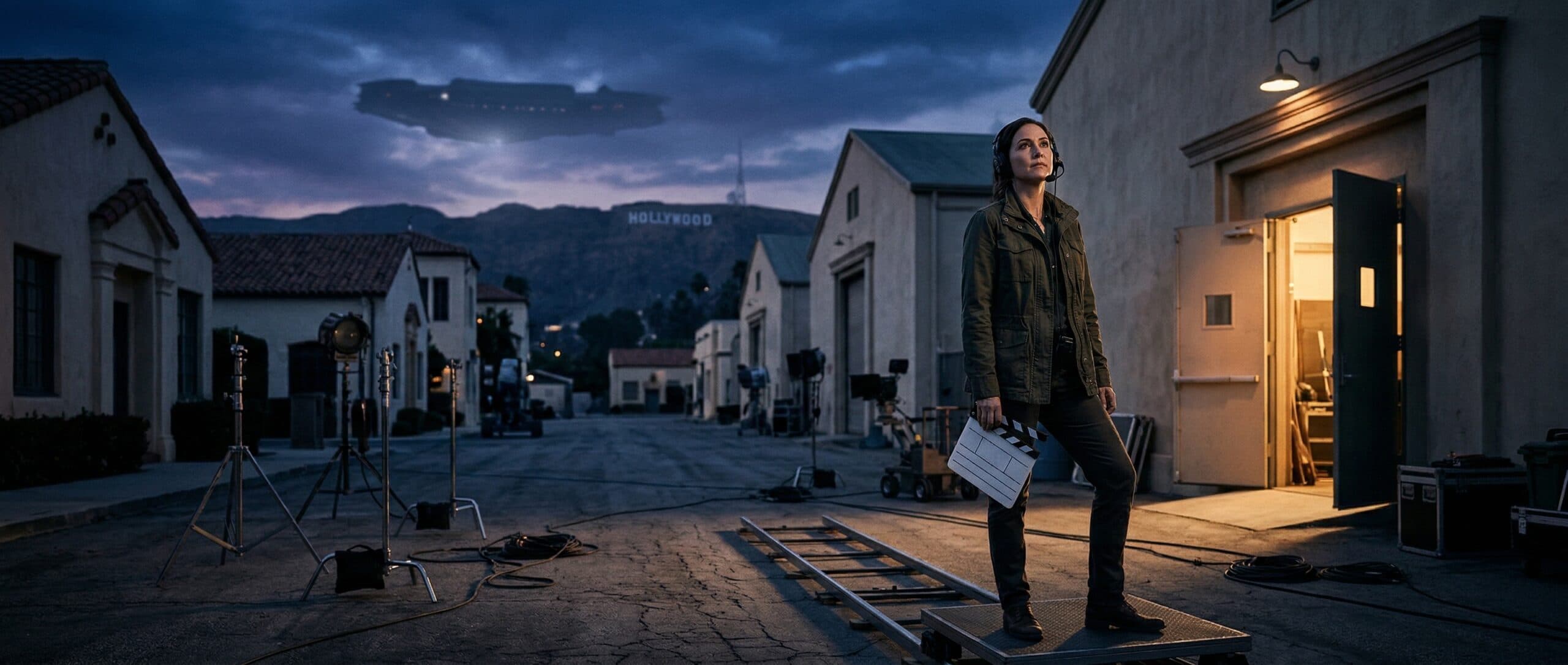
A fresh AP piece argues that Hollywood has spent decades shaping the public imagination around extraterrestrials, and that those fictional narratives are now colliding with renewed government-file release demands. The article ties older cinema like *The Day the Earth Stood Still*, *Close Encounters*, *E.T.*, *Predator*, and *Signs* to today’s disclosure climate, where official secrecy and entertainment mythology bleed into each other. According to AP News, the story is gaining attention well beyond its original niche.
This is not a new leak story. It’s a culture story. But culture stories often travel farther than document dumps because they tell people how to interpret the moment.
That is why this story matters. It is not just about the headline claim itself, but about the way uncertainty, symbolism, and public appetite for hidden meaning keep turning partial information into a larger mystery event.
Advertisement
What This Story Actually Says
In other words, the topic trending today is not just “aliens,” but **how belief is manufactured, softened, and normalized by movies before governments ever speak**. Additional framing from Related AP context on file-release pressure helps explain why the claim is traveling.
AP says Hollywood effectively trained audiences to think in alien archetypes long before any modern UAP hearing.
The story links that narrative tradition to President Trump’s February 2026 call for secret extraterrestrial/UFO-related files to be released.
It also references Barack Obama’s recent alien-related comments and the 2025 documentary *The Age of Disclosure*.
Steven Spielberg’s upcoming film **Disclosure Day** is presented as a major pop-culture bridge between entertainment and current public obsession.
Why This Topic Spreads So Easily
Stories like this spread because they land at the intersection of real-world uncertainty and symbolic interpretation. Once a subject carries enough emotional charge, audiences do not just ask whether it is true. They ask what it means.
A fresh AP piece argues that Hollywood has spent decades shaping the public imagination around extraterrestrials, and that those fictional narratives are now colliding with renewed government-file release demands. The article ties older cinema like *The Day the Earth Stood Still*, *Close Encounters*, *E.T.*, *Predator*, and *Signs* to today’s disclosure climate, where official secrecy and entertainment mythology bleed into each other.
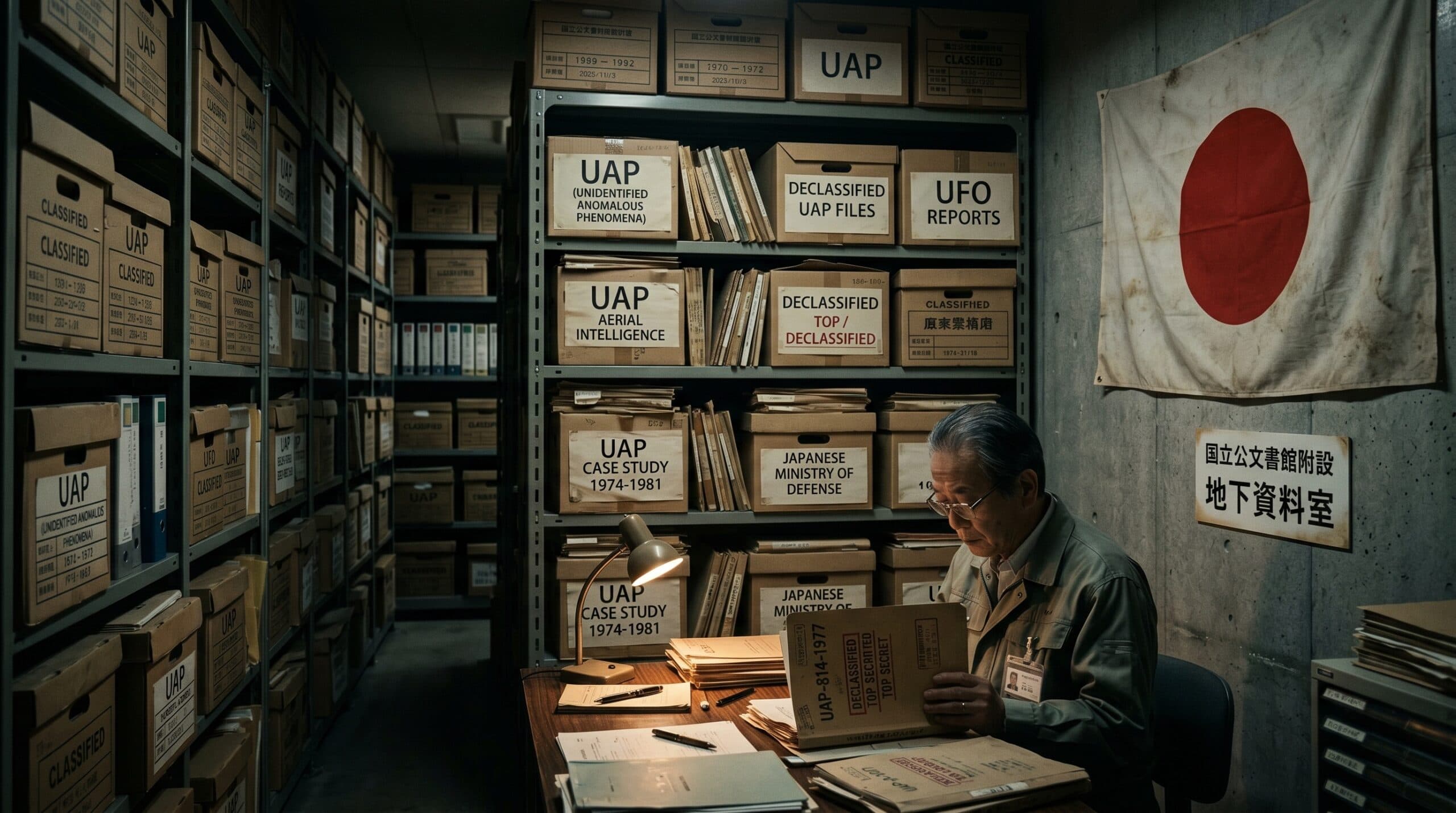
Japan Just Confirmed It Has UAP Footage, and Is Analyzing Pentagon Files Near Its Borders
Japan’s formal entry into the UAP transparency wave signals an international domino effect. What the country knows about UAP encounters near Japanese territory and why it matters now.
May 14, 2026 • 5 min read
Conspiracy Theories
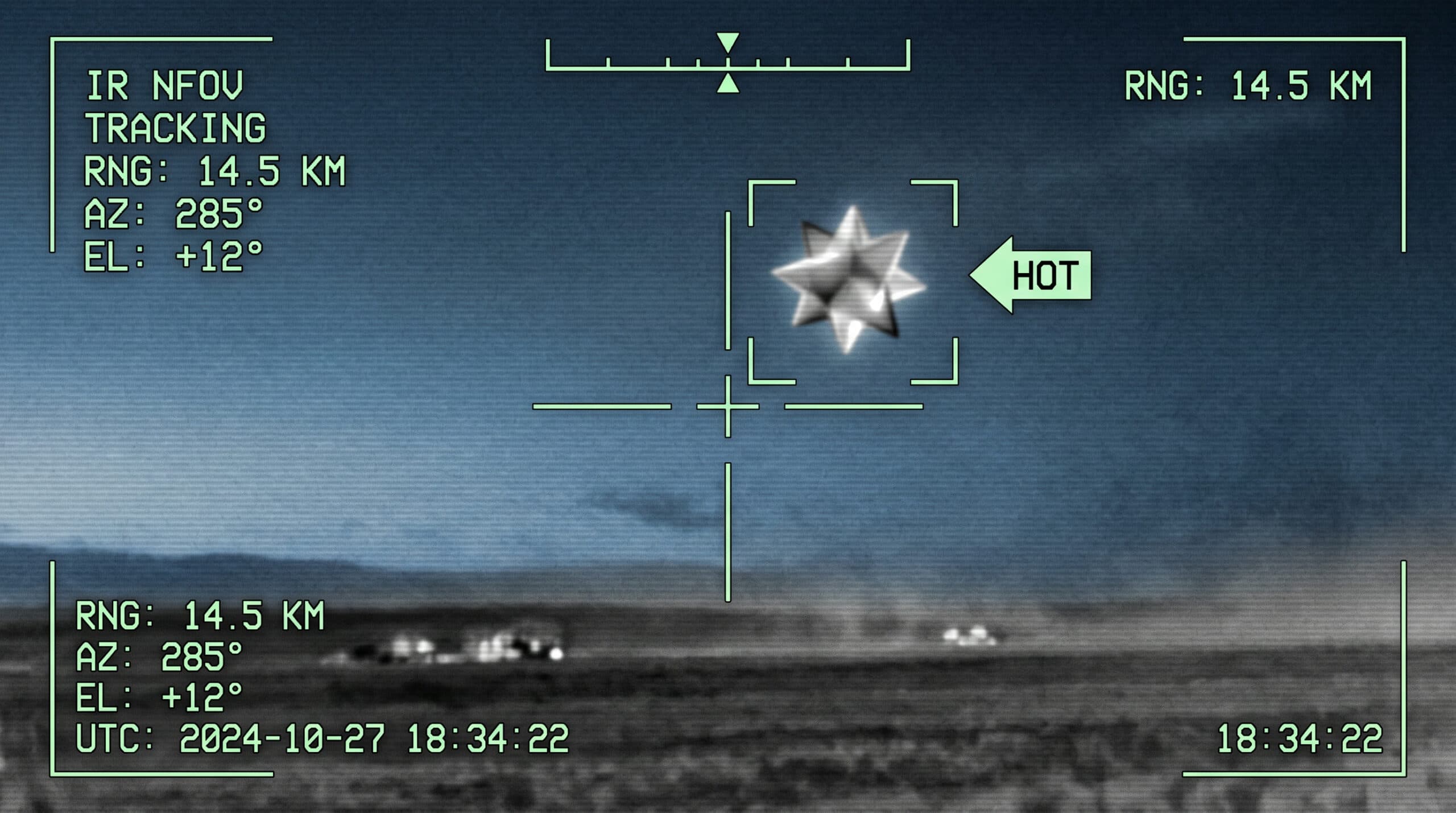
Ukrainian Defense Ministry Advisor Posts Star-Shaped UAP Video — and the Close-Ups Look Nothing Like a Drone
Serhii ‘Flash’ Beskrestnov released footage of a structured, star-shaped craft over Ukraine that has UFO researchers examining every frame for proof.
May 14, 2026 • 6 min read
Conspiracy Theories
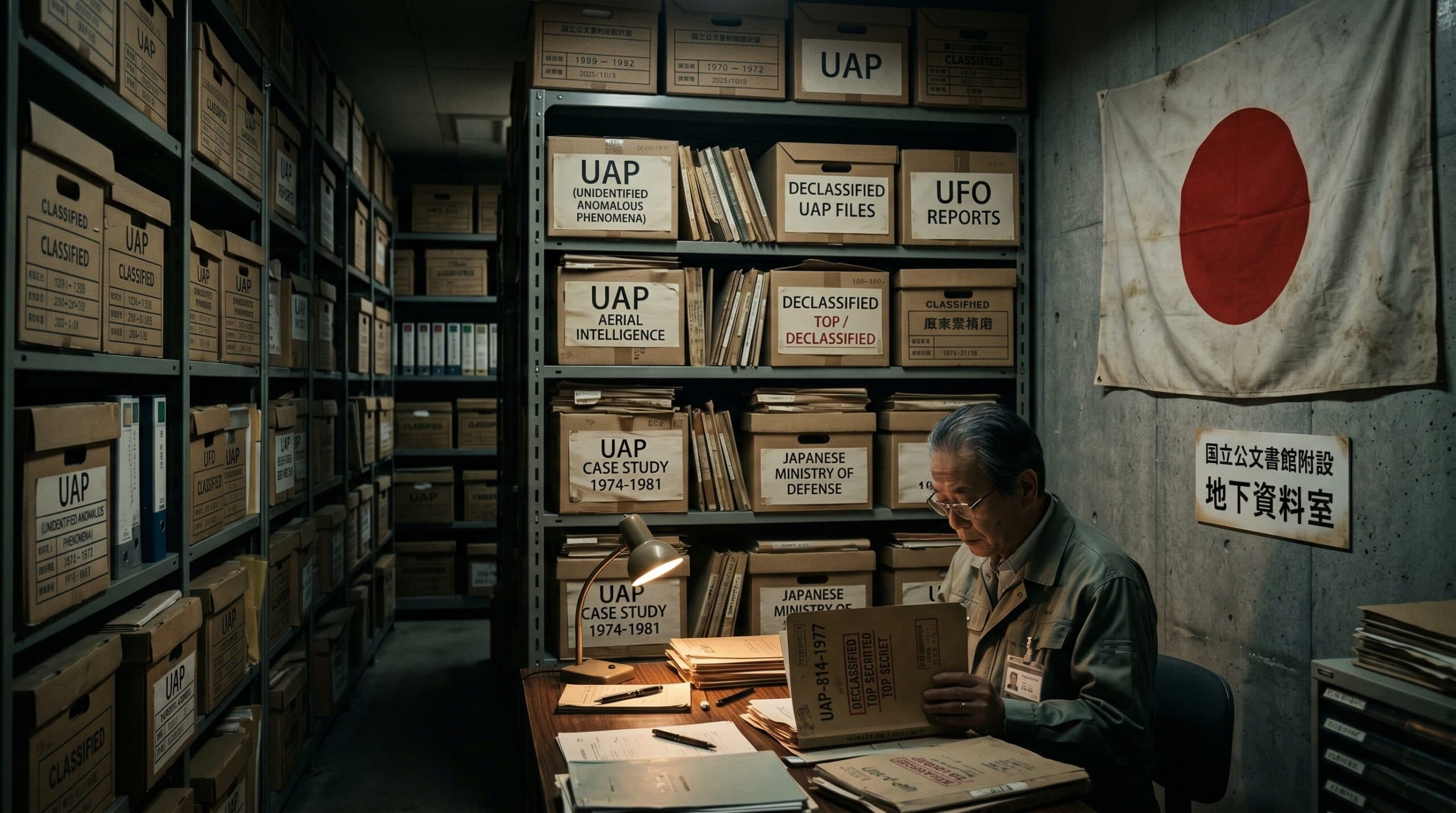
Japan Just Confirmed It Has UAP Footage — and Is Analyzing Pentagon Files Near Its Borders
Japan’s formal entry into the UAP transparency wave signals an international domino effect. What the country knows about UAP encounters near Japanese territory and why it matters now.
May 13, 2026 • 5 min read
What the Evidence Actually Supports
The strongest evidence in stories like this is often narrower than the online reaction suggests. That is why it is important to separate direct reporting, contextual interpretation, speculation, and audience mythmaking rather than treating them as one unified thing.
Coverage and reporting relevant to this topic include:
The strongest skeptical response is usually that ambiguity gets inflated faster than evidence does. That does not make the story worthless. It means the audience should be careful not to mistake symbolic power for proof.
In many of these cases, the most likely explanation is still the least dramatic one that fits the known facts. But because emotionally satisfying explanations travel farther than cautious ones, the mystery version often spreads first and hardest.
Why This Story Still Matters
This matters because the unexplained niche often focuses on evidence while ignoring narrative conditioning. AP’s angle flips that: what if the biggest disclosure story isn’t hidden hardware, but the decades-long cultural preparation that made people ready to accept extraordinary claims?
That’s catnip for unexplained audiences because it supports multiple interpretations at once:
– believers can say Hollywood was soft-launching reality;
– skeptics can say movies created the interpretive lens people now impose on ambiguous events;
– conspiracy audiences can say entertainment and state secrecy have been dancing together the whole time.
It also gives The Unexplained Company a broad, high-engagement frame that isn’t dependent on proving any one UFO clip is real. It’s about the myth-making ecosystem.
Advertisement
The Bigger Unexplained Pattern
For unexplained coverage, the deeper value is often cultural rather than evidentiary. These stories reveal what people fear, what they hope, what they distrust, and how quickly they build meaning around incomplete information.
That is exactly why the newer SEO/GEO standard works better than the old short-form template. It is designed to answer the headline question, ground the reader in what is actually known, include stronger context, and still explain why the story has such emotional force.
The real significance of stories like this is often not that they prove an extraordinary claim, but that they show how extraordinary interpretations take shape. In other words, the mystery is not only in the event. It is also in the reaction.
Frequently Asked Questions
What is this story about?
A fresh AP piece argues that Hollywood has spent decades shaping the public imagination around extraterrestrials, and that those fictional narratives are now colliding with renewed government-file release demands. The article ties older cinema like *The Day the Earth Stood Still*, *Close Encounters*, *E.T.*, *Predator*, and *Signs* to today’s disclosure climate, where official secrecy and entertainment mythology bleed into each other.
Why is this getting attention now?
This matters because the unexplained niche often focuses on evidence while ignoring narrative conditioning. AP’s angle flips that: what if the biggest disclosure story isn’t hidden hardware, but the decades-long cultural preparation that made people ready to accept extraordinary claims?
Is Hollywood, Aliens, and the Disclosure Narrative proven?
No. These articles are written to separate what is verified, what is claimed, and what remains uncertain. Mystery does not automatically equal proof.
What should readers focus on?
Focus on the evidence, the source quality, the skeptical or conventional explanations, and why the story still resonates even when certainty is missing.
Art Grindstone is the hard-nosed storyteller behind Unexplained.co, a veteran investigator whose life’s work sits at the crossroads of the paranormal, fringe science, and the shadows most people try not to look into. With decades spent chasing impossible stories — black-budget psychic programs, vanished Cold War experiments, desert rituals that sparked UFO waves, and the strange phenomena buried in America’s forgotten backroads — Art brings a rare combination of skepticism, awe, and journalistic precision. He’s not here to debunk. He’s not here to blindly believe. He follows the evidence wherever it leads — even when it leads someplace deeply uncomfortable. Known for his immersive, cinematic style and his ability to turn obscure research into gripping narrative, Art has built a devoted following across podcasts, long-form features, documentaries, and serialized investigations. His interviews are direct. His analysis is unflinching. His voice has become a staple in the modern paranormal renaissance — the guy people turn to when a story is too strange, too complex, or too dangerous for anyone else to touch. Off-mic, Art works with a distributed network of researchers, archivists, and field operatives who help surface the stories mainstream media ignores. On-mic, he transforms their findings into meticulous, high-impact reporting that refuses to insult the intelligence of true believers. His philosophy is simple: Take the phenomenon seriously. Treat the audience with respect. Tell the story as if the world depends on it — because sometimes it does. When Art Grindstone digs into a case, he isn’t just chasing a mystery. He’s tracing the fault lines of reality itself.