
Two more reported encounters have pushed the number of Loch Ness monster sightings recorded in 2026 to 13, according to a new report from the Inverness Courier. The number sounds dramatic. The evidence, however, remains much narrower: witness reports of something seen on or near the loch, not a photograph, recovered specimen, or independently verified creature.
That tension is the real story. Nessie reports persist because the loch is enormous, visually deceptive, and culturally primed for interpretation. A wake, bird, boat, wave, seal, or floating debris can become a “monster” in seconds when the observer is looking across dark water and expecting the unexpected. Yet dismissing every report also goes beyond the evidence. The careful conclusion is that two people, or two groups, reported unusual observations, the identity of what they saw is unresolved.
What the new reports add
The current report identifies two further encounters and places them within the 2026 count. It does not turn the sightings into a confirmed biological discovery. Counts maintained by Nessie researchers are useful records of the legend’s continuing life, but they are not the same as a scientific census. Each entry reflects a report, and the quality of entries can vary from detailed imagery to a brief account made after the event.
Advertisement
This is why the number 13 should be read as a reporting statistic. It tells us that interest and observation claims have continued through the year. It does not tell us that thirteen separate animals were present, or even that thirteen separate physical events have been independently established. A single disturbance can generate multiple accounts, while a genuine unusual sighting may leave no usable record at all.
The distinction matters especially because the loch is a working, changing environment. Wind alters the surface. Light changes quickly. Boat wakes travel and intersect. Waterfowl and seals can appear and disappear in a way that seems impossible at distance. A witness can be sincere and still misidentify an ordinary cause. Sincerity is evidence that an experience occurred, it is not proof of the explanation attached to it.
Why Loch Ness remains so difficult to read
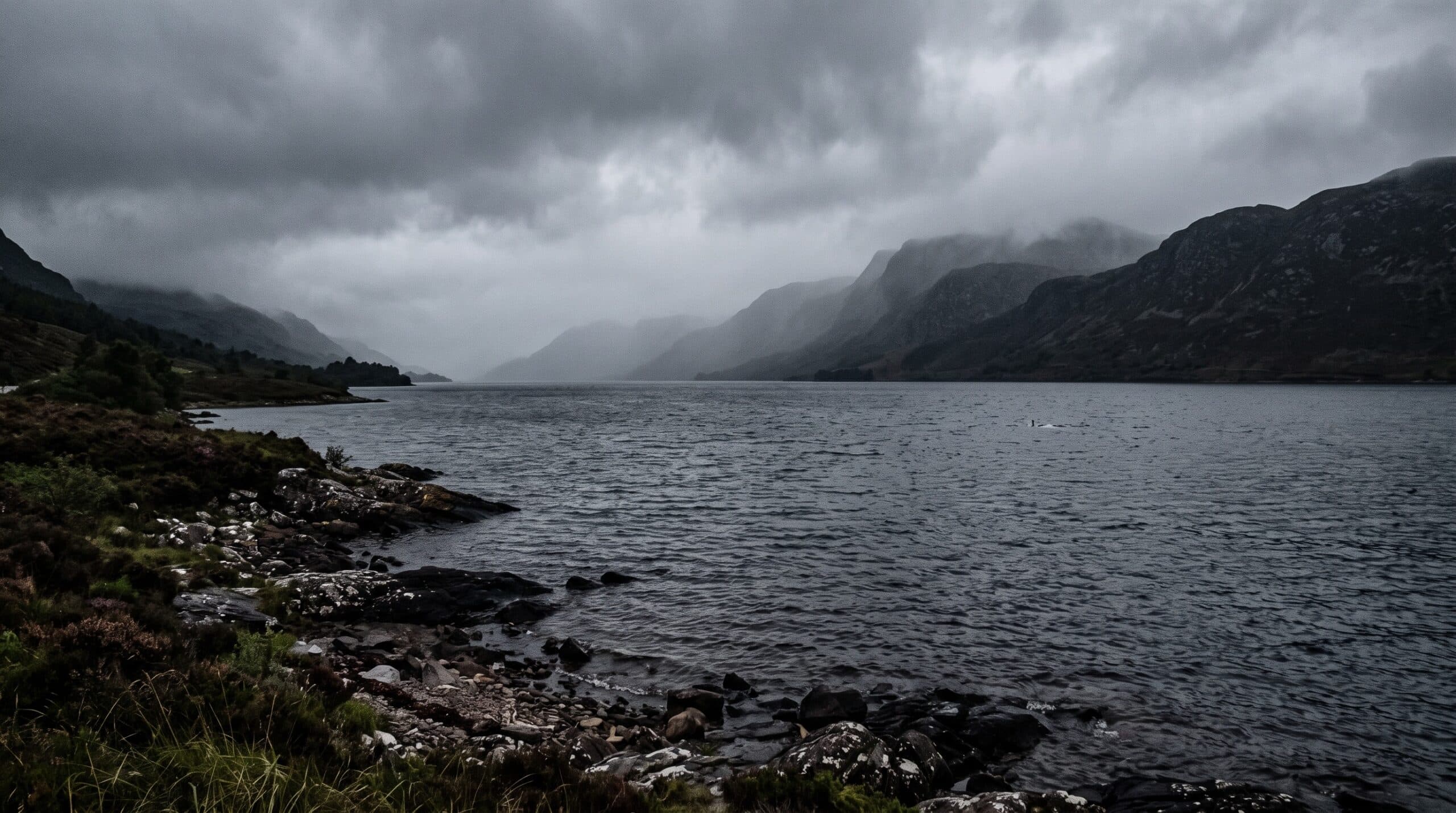
Loch Ness is long, deep, and often dark even in daylight. Its geography creates long sightlines broken by shoreline, weather, and reflections. The observer may see only a few seconds of movement before the surface closes. That gives a possible animal:or an ordinary object:just enough time to become a story without leaving enough information to settle the story.