
Inside quantum physics, near Schrödinger’s cat and various paradoxes, lies the idea that our universe may be one among countless parallel realities. This concept extends beyond Marvel movies and internet theorists; it occupies the minds of serious physicists. For those anticipating the next existential crisis, the parallel universe theory presents a fascinating idea: what if the apocalypse occurs in a different timeline while we are left with mere remnants?
The idea of parallel universes permeates speculative fiction and online discussions, but quantum physics provides the strongest support for these cosmic doppelgänger dreams. The many-worlds interpretation, proposed by physicist Hugh Everett in the 1950s, suggests that every quantum event creates a new universe—a split for every possible “what if” you have imagined (Wikipedia overview). Each parallel world exists unseen and unreachable, yet occasionally, the lines blur enough to spark unforgettable legends.
Quantum Physics and the Scientific Search for Parallel Realities
For decades, physicists have sought concrete evidence of parallel universes, analyzing cosmic background radiation and experimenting with subatomic particles. Mainstream science journalism features outlets like Space.com and Live Science, which explore how quantum superposition and the “many-worlds” hypothesis hint at the existence of alternate worlds. However, despite advanced models and wild theories, no lab-verified passage to alternate realities exists—at least, not according to any government documents. Yet, as our world becomes increasingly bizarre (see this report), public interest in parallel universes rises dramatically.
Advertisement
The Legend of the Man from Taured: The Most Convincing Parallel Universe Story?
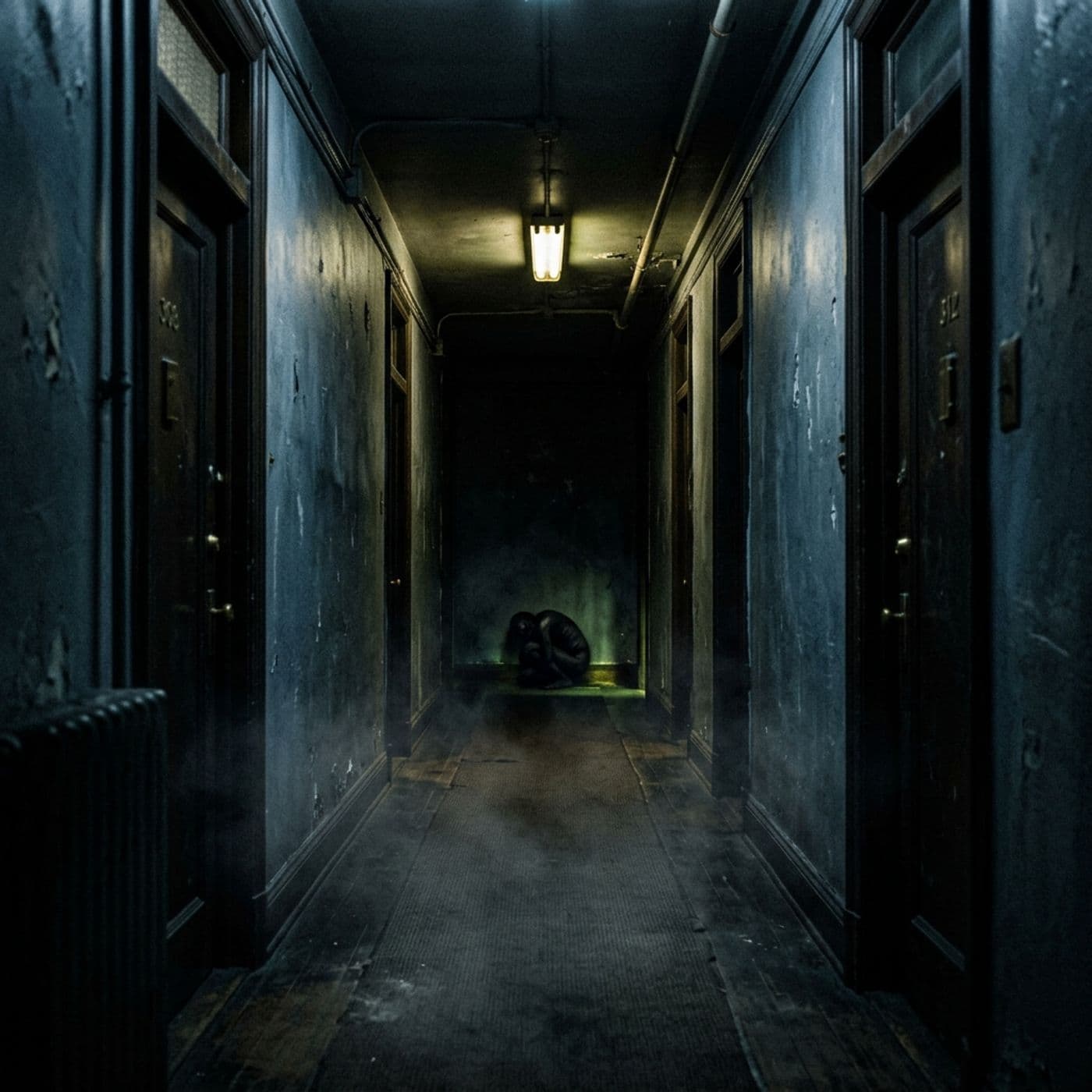
Conversations about credible parallel universe tales inevitably lead to the most famous: the man from Taured. According to the story, in 1954 Tokyo, a well-dressed European man arrived at customs holding a passport from a non-existent country—Taured. He spoke multiple languages and insisted his nation had appeared on maps for centuries. He produced legitimate documents and then vanished from a locked hotel room as officials attempted to determine whether Cold War spies were pranking them or if someone had slipped through a glitch in reality. Though details have become muddled over the years, the core narrative reflects our deepest anxieties regarding identity, reality, and the fragility of normalcy ().