The Unexplained Company Logo
Sign In
Near-Death Experience Leads to Claimed Paranormal Powers

Near-Death Experience Leads to Claimed Paranormal Powers

Art Grindstone

March 25, 2026

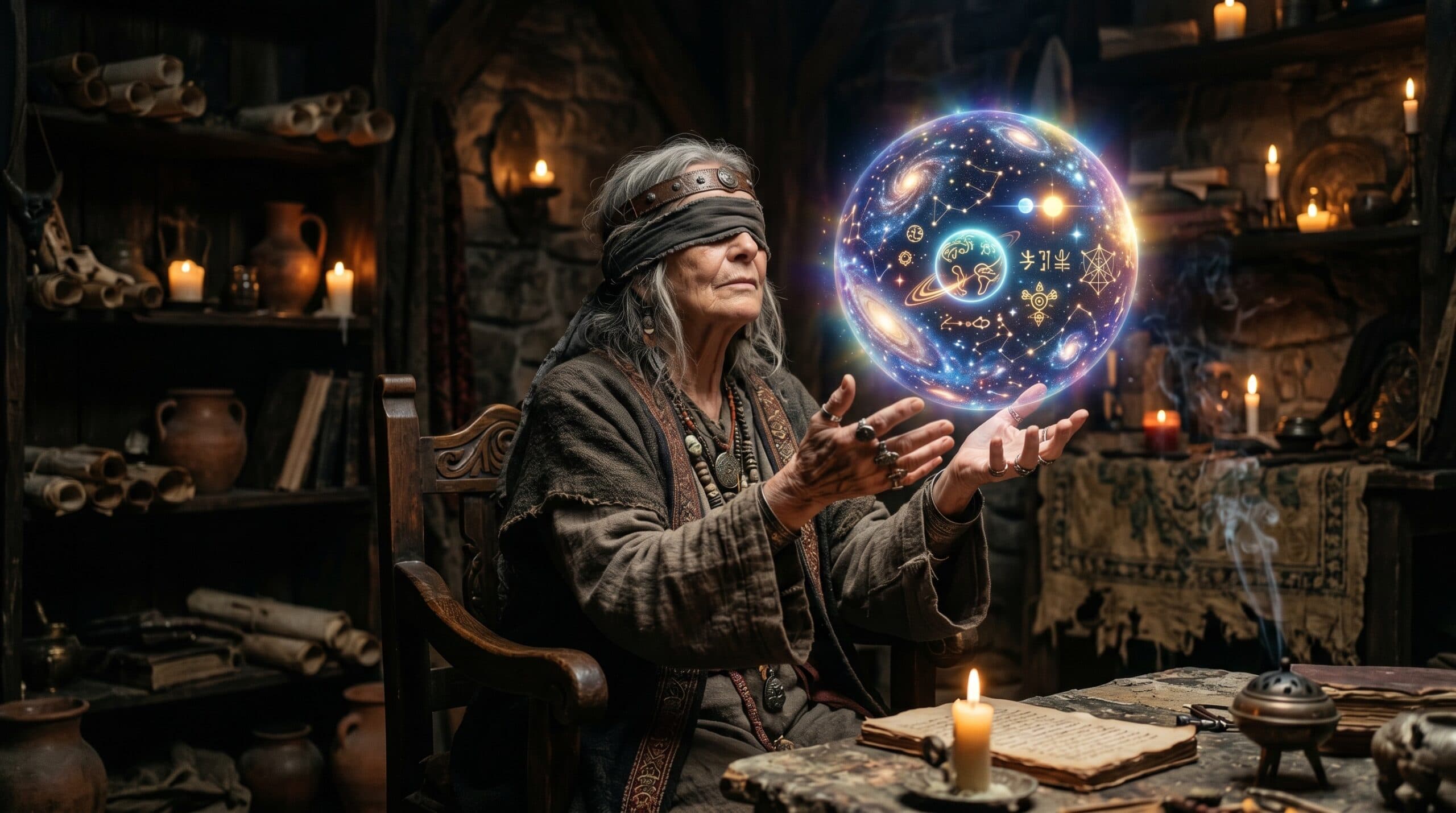
A human-interest story with strong viral pull is circulating again through paranormal media: Louisa Peck, now 65, says a near-death experience in her 20s left her with lasting paranormal abilities, including the claimed ability to predict deaths and see ghosts. Mainstream outlets tend to frame it as a lifestyle oddity, but unexplained audiences hear something else entirely — a possible case of consciousness returning altered from the edge of death.

The story works because it hits multiple fascination triggers at once: afterlife testimony, atheism-to-belief conversion, psychic awakening, and eerie anecdotal verification. Whether readers believe every detail or not, near-death experience accounts remain some of the most emotionally potent stories in the unexplained world.

What Louisa Peck Says Happened

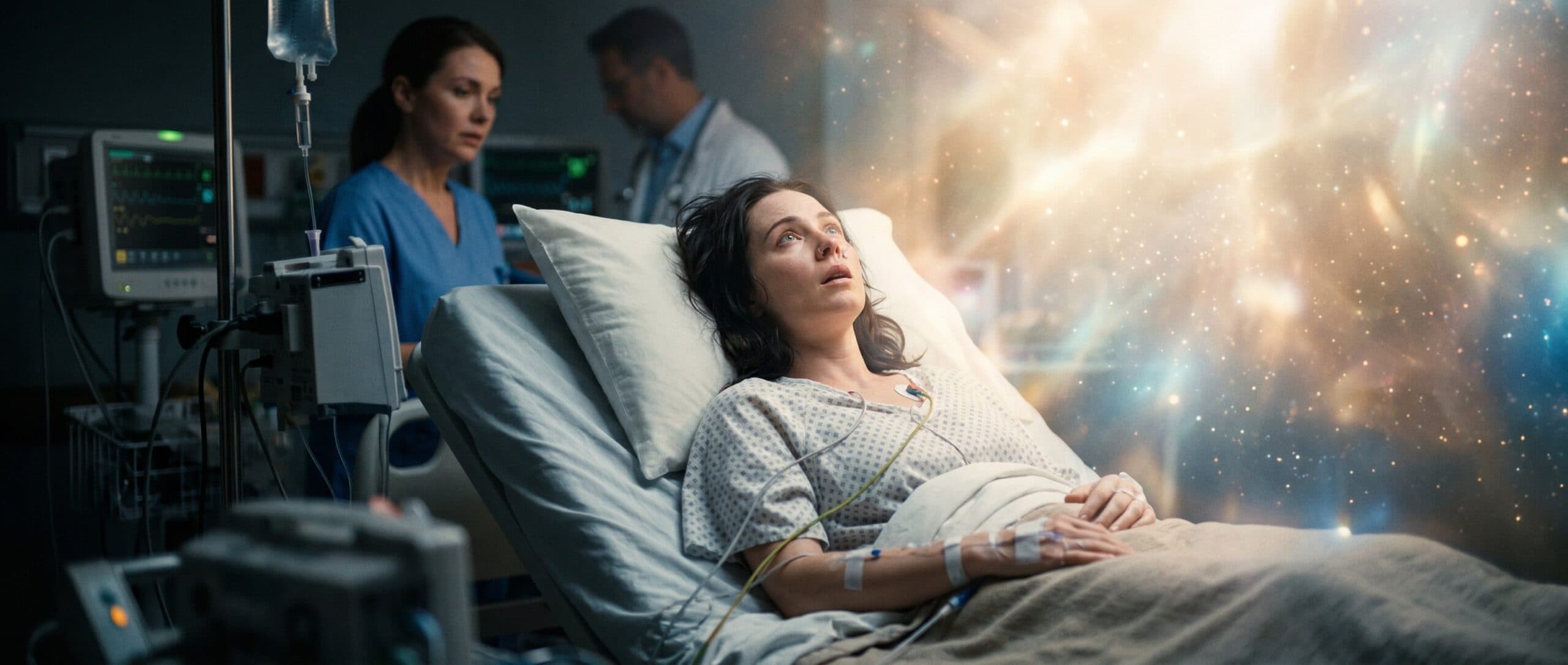
According to a Yahoo recap and the original Need To Know report, Peck says she overdosed while clubbing in New York in her youth and went into cardiac arrest. During the event, she describes what sounds like a classic near-death narrative: leaving her body, feeling overwhelming peace, encountering ancestors, and being told, “You can’t stay, you’re not done yet,” before returning to consciousness while receiving CPR.

That alone would be enough to make the story resonate with the large online audience drawn to NDE testimony. But Peck goes further. She says the years after the experience brought lasting changes: seeing ghosts, knowing intimate details about strangers, and in some cases predicting deaths before they happened.

One of the most striking examples she gives is the claim that she foresaw an unborn nephew would not survive to full term. Stories like that are impossible to independently verify from media coverage alone, but they are exactly the kind of deeply personal, emotionally charged anecdote that makes NDE accounts spread so quickly.

Why Near-Death Stories Never Fade

Near-death experiences sit at a crossroads where skepticism and wonder meet. They are intimate enough to feel personal, dramatic enough to go viral, and emotionally serious enough that even skeptics often hesitate to dismiss them casually.

They also bridge multiple audiences at once:

  • paranormal readers see evidence of ghosts, psi, and altered perception
  • spiritual audiences hear confirmation that consciousness survives bodily crisis
  • skeptical readers see a neurological mystery involving trauma, oxygen deprivation, or memory interpretation
  • general audiences are drawn in by the sheer emotional intensity of someone claiming to have died and come back changed

Do Near-Death Experiences Change Perception?

This is the larger question underneath the headlines. Even setting aside the strongest paranormal claims, many NDE experiencers report permanent aftereffects: reduced fear of death, heightened intuition, radical personality changes, spiritual awakening, or a sense that reality now contains layers other people cannot perceive.

Peck’s story fits that pattern. Her account is not simply that she briefly visited another realm. It is that the experience reconfigured how she relates to the world afterward.

That matters because one of the recurring ideas in NDE research is that these events are not always remembered as isolated incidents. They are often described as turning points that permanently alter belief, identity, and perception.

As material collected by NDE Stories suggests, Peck has framed her experience as eliminating any doubt that a spiritual world coexists with ordinary life.

Skepticism, Trauma, or Genuine Awakening?

There are at least three broad ways stories like this get interpreted.

The believer view: Peck really encountered a spiritual dimension, and the brush with death opened psychic perception that remains active decades later.

The skeptical view: trauma, cardiac arrest, neurochemical changes, memory reconstruction, and later interpretation created a framework that feels paranormal but may have natural explanations.

The middle view: near-death experiences may reveal something real about consciousness that science still struggles to explain, even if specific claims such as predicting deaths remain anecdotal and unproven.

That third category is where many of these stories live. They resist easy proof, but they also resist easy dismissal.

Why The Story Has Viral Potential

The reason Louisa Peck’s account keeps recirculating is not simply that it is strange. It is that it invites readers to imagine themselves in the same position. What if death is not the end? What if consciousness returns changed? What if the real mystery is not the near-death episode itself, but what follows afterward?

That makes the story powerful content even without hard evidence. It is less about proving every paranormal detail than about asking a deeper question: do near-death experiences permanently alter human perception?

For more stories at the edge of consciousness and the unexplained, read our coverage of the 7910 kHz spy radio mystery, Bob Lazar and modern disclosure culture, and mythical Norse artifacts and the blur between legend and belief.