
Key Takeaways
- Available evidence points to a Russian ballistic missile strike on the night of 8–9 January 2026, geolocated to the Lviv region (SW Lviv / Rudno area) with fragments consistent with advanced weaponry.
- Russian MoD named the Oreshnik (RS-26) missile; Ukrainian authorities (SBU, Air Force) published debris photos and track data suggesting a launch from Kapustin Yar.
- Open questions remain about the warhead’s status (live or inert), the exact target (defense-industry site, gas infrastructure, or symbolic target), and the need for independent forensics and telemetry verification.
The Night Over Lviv
On the night of 8–9 January 2026, residents in the Lviv region reported bright aerial flashes, sonic booms, and shockwaves. Videos circulated quickly on social platforms; local officials reported automated safety systems triggering, including brief gas shutoffs in Rudno and nearby settlements.
Claims, Evidence, and Analysis
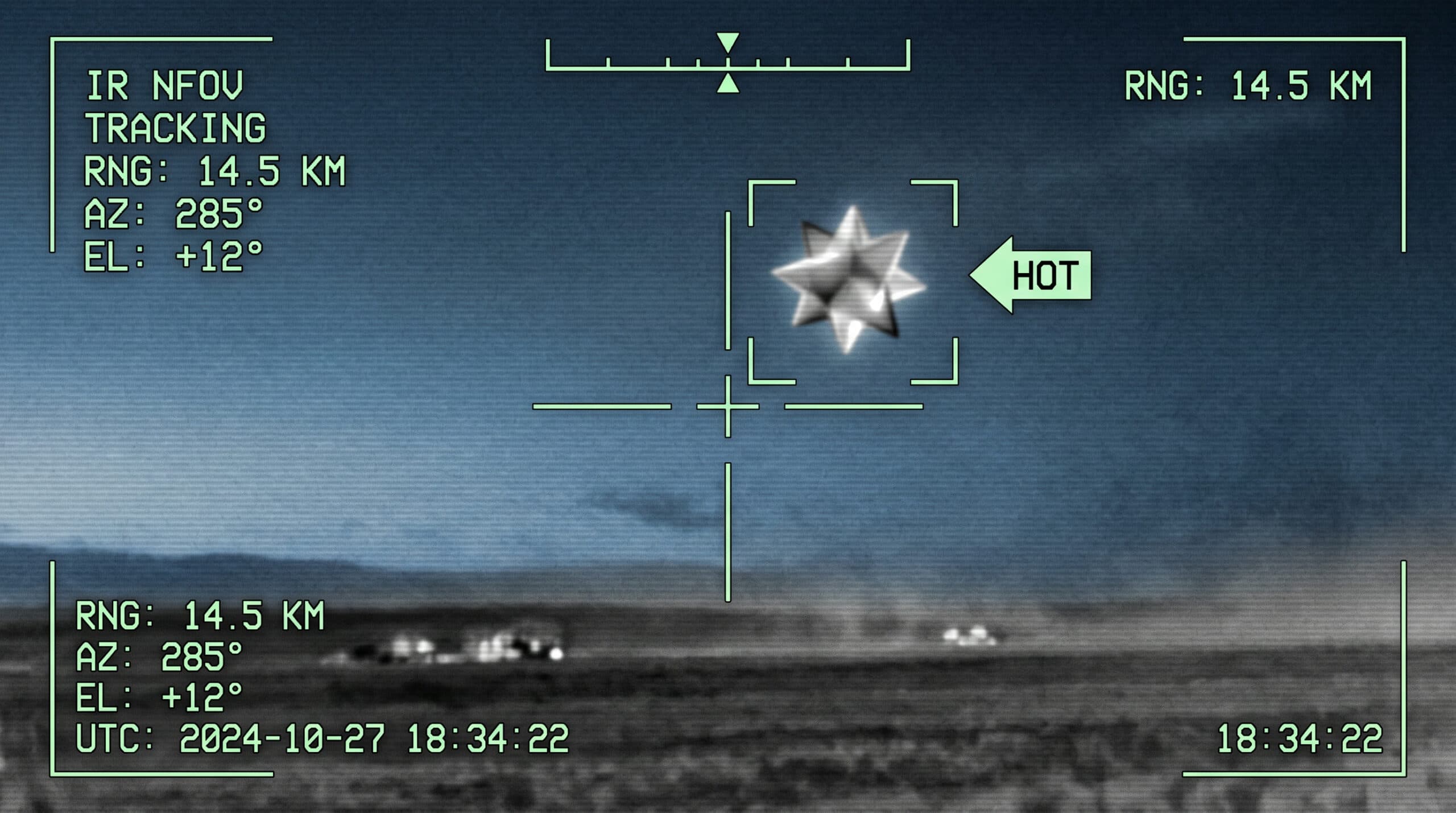
Ukraine’s Air Force and the SBU released imagery they say shows missile fragments and provided data indicating a high-speed approach consistent with a ballistic trajectory. OSINT groups geolocated impact footage to the southwest Lviv / Rudno area. The Russian Ministry of Defense publicly claimed use of the Oreshnik (RS-26) class missile.
Independent analysts note consistency between the observed impacts and a ballistic missile strike but emphasize key gaps: independent forensic analysis of fragments, metallurgical tests, and corroborating radar/telemetry remain outstanding.
Advertisement
Timeline and Reported Metrics
Event: Night of 8–9 January 2026. Impact area: SW Lviv / Rudno. Claimed launch site: Kapustin Yar. Reported approach speed: ~13,000 km/h. Physical evidence: photographs of fragments released by Ukrainian services; geolocated video evidence of impacts. Wider context: part of a larger barrage affecting Kyiv and other locations that night.
Open Questions and Implications
Primary uncertainties include whether the missile carried an operational warhead, the specific intended target, and whether the fragments photographed are conclusively from an Oreshnik. These questions matter for escalation risk assessment because the RS-26 class is capable of carrying strategic payloads; use in populated areas raises international concern.
Priority follow-ups: secure high-resolution debris photos, conduct independent forensic and metallurgical analyses, obtain radar/telemetry traces, and perform on-site damage and casualty audits. These steps would help resolve attribution and intent, and inform international responses.