
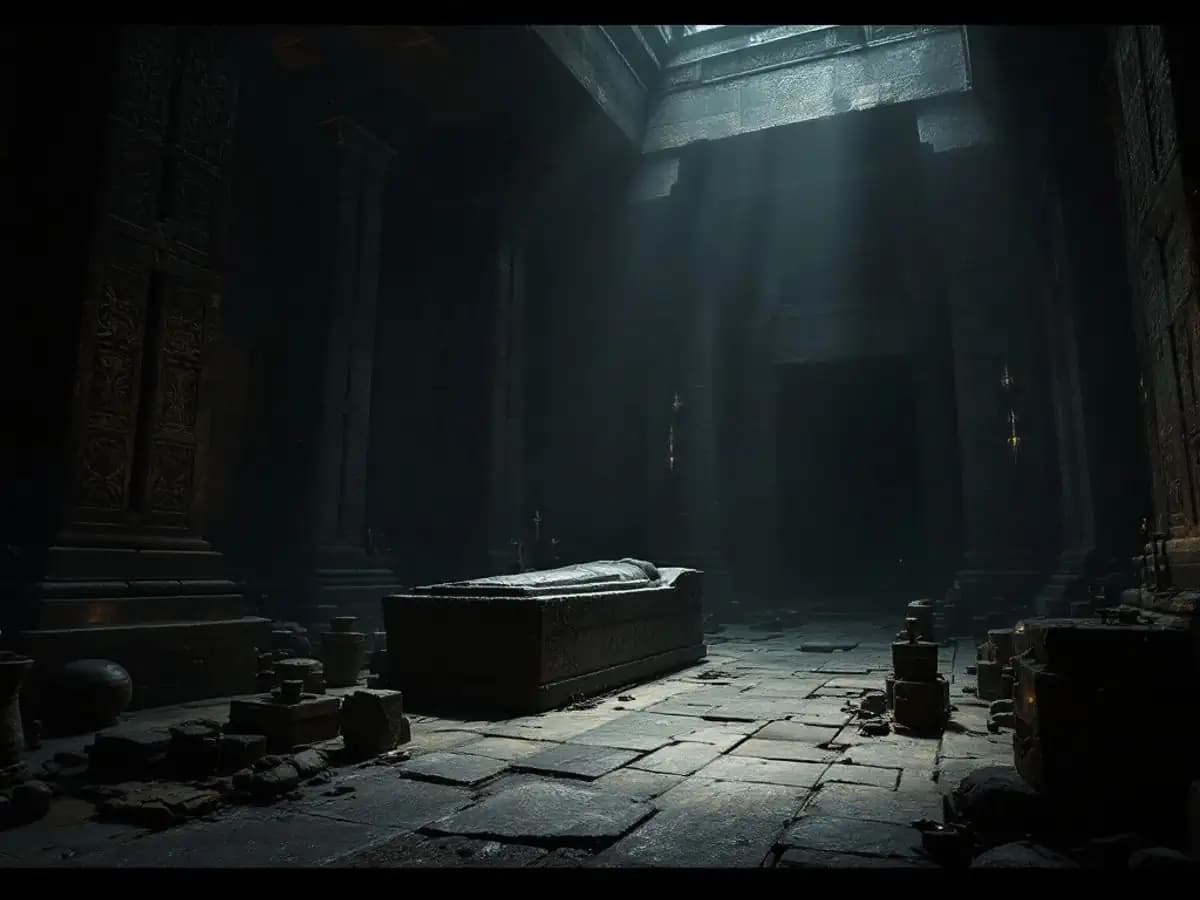

In a groundbreaking discovery, scientists have uncovered the last Anunnaki king, also known as Gilgamesh, and the implications of this find have left them in shock. Join us as we delve into the secret and mysterious world of the Anunnaki and the consequences of this epic discovery in the field of ancient civilizations.
Key Takeaways
- The discovery of Gilgamesh, the last Anunnaki king, raises questions about ancient technology and civilization.
- Gilgamesh ruled the Sumerian city of Uruk, a center of culture and innovation.
- The Epic of Gilgamesh reveals themes of friendship, mortality, and the quest for immortality.
- The Anunnaki play a significant role in Sumerian mythology, influencing human history and culture.
Rediscovering Ancient Technology
The term “Noah” is often associated with biblical narratives, but it also connects to the last of the predynastic kings of Sumer. This discovery hints at a forgotten episode in human history. Scholars suggest that we might be witnessing a rediscovery of ancient technology that could reshape our understanding of the past.
The Legend of King Gilgamesh
Imagine traveling back to around 2700 BCE, right into the heart of Mesopotamian civilization. Gilgamesh, a name that echoes through history, ruled the city of Uruk, a jewel among the Sumerian city-states. Uruk was not just a city; it was a beacon of culture, economy, and innovation. Under Gilgamesh’s rule, Uruk flourished, becoming a center for religious devotion and monumental architecture.
Life Under Gilgamesh’s Rule
- Divine Significance: Gilgamesh was believed to be more than just a king; he was a figure of divine significance responsible for the welfare of his people.
- Cultural Achievements: Uruk was credited with many firsts, including the invention of cuneiform writing.
- Military and Administrative Leadership: Gilgamesh oversaw military campaigns and administrative decisions, ensuring Uruk’s prominence in ancient history.
The Enigmatic Figure of Gilgamesh
The figure of King Gilgamesh stands as a fascinating blend of myth and reality. The Sumerian king list, a historical document, lists rulers of Sumer, including Gilgamesh, hinting at his possible existence. Archaeological artifacts, such as tablets and cylinder seals, further suggest that he was recognized as a king.
The Epic of Gilgamesh
The Epic of Gilgamesh is one of the oldest stories ever told, etched on clay tablets in cuneiform. This epic is not just a tale; it’s a journey back to the third dynasty of Ur around 2100 BCE. The narrative showcases Gilgamesh’s adventures, including his quest for immortality after the death of his friend Enkidu.
Themes of Friendship and Mortality
- Friendship: The bond between Gilgamesh and Enkidu illustrates how deep connections can foster personal growth.
- Mortality: The epic explores the universal quest for immortality, ultimately revealing that death is an inescapable part of life.
The Anunnaki and Their Influence
The Anunnaki are a group of deities central to Sumerian mythology. Their stories weave through the heart of ancient beliefs, influencing human history. Over time, some Anunnaki became associated with celestial bodies, highlighting their significance in Mesopotamian astrology and cosmology.
The Nibiru Cataclysm Theory
The Nibiru cataclysm theory posits the existence of a rogue planet that could cause catastrophic events on Earth. This theory, while controversial, has captured the imagination of many. It suggests that ancient myths may hold truths about our universe and origins.
Conclusion
The discovery of the last Anunnaki king, Gilgamesh, opens a window into the ancient world, challenging our understanding of history and civilization. As we continue to explore these ancient narratives, we may uncover more about our past and the forces that shaped human history. This is a fascinating moment in history that invites us to rethink our connection to ancient civilizations and their legacies.