Second Sphinx at Giza Claim: What the Viral Radar Story Says — and What Experts Reject | Unexplained
Ancient Civilizations
Second Sphinx at Giza Claim: What the Viral Radar Story Says — and What Experts Reject
The “second Sphinx” story at Giza is back, driven by viral claims that remote-sensing or radar-style analysis has revealed a buried counterpart to the Great Sphinx — perhaps even part of a much larger hidden complex…
Art Grindstone is the hard-nosed storyteller behind Unexplained.co, a veteran investigator whose life’s work sits at the crossroads of the paranormal, fringe science, and the shadows most people try not to look into. With decades spent chasing impossible stories — black-budget psychic programs, vanished Cold War experiments, desert rituals that sparked UFO waves, and the strange phenomena buried in America’s forgotten backroads — Art brings a rare combination of skepticism, awe, and journalistic precision. He’s not here to debunk. He’s not here to blindly believe. He follows the evidence wherever it leads — even when it leads someplace deeply uncomfortable. Known for his immersive, cinematic style and his ability to turn obscure research into gripping narrative, Art has built a devoted following across podcasts, long-form features, documentaries, and serialized investigations. His interviews are direct. His analysis is unflinching. His voice has become a staple in the modern paranormal renaissance — the guy people turn to when a story is too strange, too complex, or too dangerous for anyone else to touch. Off-mic, Art works with a distributed network of researchers, archivists, and field operatives who help surface the stories mainstream media ignores. On-mic, he transforms their findings into meticulous, high-impact reporting that refuses to insult the intelligence of true believers. His philosophy is simple: Take the phenomenon seriously. Treat the audience with respect. Tell the story as if the world depends on it — because sometimes it does. When Art Grindstone digs into a case, he isn’t just chasing a mystery. He’s tracing the fault lines of reality itself.
4 min · 977 words
In This Report(12)
The “second Sphinx” story at Giza is back, driven by viral claims that remote-sensing or radar-style analysis has revealed a buried counterpart to the Great Sphinx — perhaps even part of a much larger hidden complex beneath the plateau. It is the kind of theory the internet loves: monumental, ancient, visually dramatic, and just close enough to scientific language to sound plausible. But the reason the story matters is not that a second Sphinx has been confirmed. It is that the claim exposes the constant collision between hidden-history hunger and expert caution.
Here is the clearest answer: there is currently no confirmed archaeological evidence proving that a second Sphinx lies buried at Giza. The viral claim has been amplified by social media, tabloids, and speculative interpretation of data, while archaeologists and geophysics experts have pushed back strongly on the idea that such a discovery has been demonstrated.
What the Second Sphinx Theory Actually Claims
The central theory is that there may be a hidden monument, mirror structure, or buried counterpart to the Great Sphinx somewhere on or beneath the Giza Plateau. In stronger versions of the claim, that possible structure is linked to underground chambers or even a larger “megastructure” narrative that expands the mystery far beyond a single monument.
Advertisement
This theory spreads well because symmetry is persuasive. The idea that the most famous ancient site on Earth might hide a matching or forgotten monumental partner feels intuitively mythic and dramatically unfinished.
Why Giza Is So Vulnerable to Viral Mystery Claims
Giza occupies a unique place in global imagination. It is both one of the most studied archaeological landscapes in the world and one of the most mythologized. That combination makes it ideal terrain for recurring hidden-history claims. Every anomaly, shadow, alignment, or interpretive gap can be reimagined as evidence that mainstream archaeology has missed something world-changing.
This is why the second Sphinx theory does not need airtight proof to thrive. It only needs enough ambiguity to reactivate the old fantasy that the most famous site on Earth still has a giant secret waiting under the sand.
That appetite has been fueled for decades by documentaries, speculative books, and pop-history media that frame Egypt as a place where “official” knowledge is always one layer away from collapse. Mainstream references such as Britannica’s overview of the Great Sphinx and the archaeological work discussed by outlets like show why the burden of proof for any second-Sphinx claim is so high.
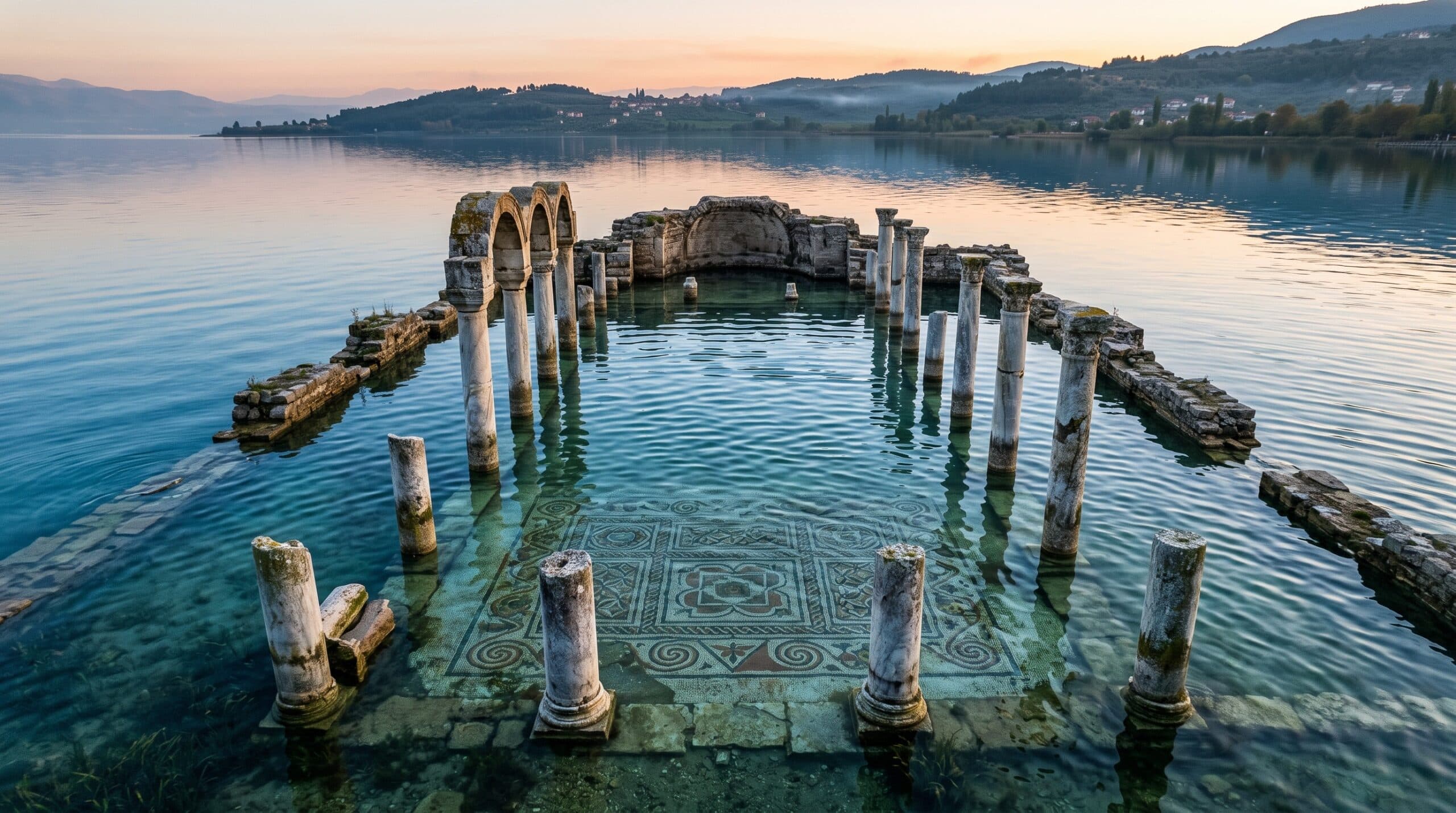
The Sunken Basilica of Iznik: Did a Lake Hide the Council of Nicaea?
A basilica beneath Lake Iznik has revived a 1,700-year-old question: was this the setting of the First Council of Nicaea, or a compelling archaeological near-miss?
Aug 18, 2026 • 6 min read
Articles
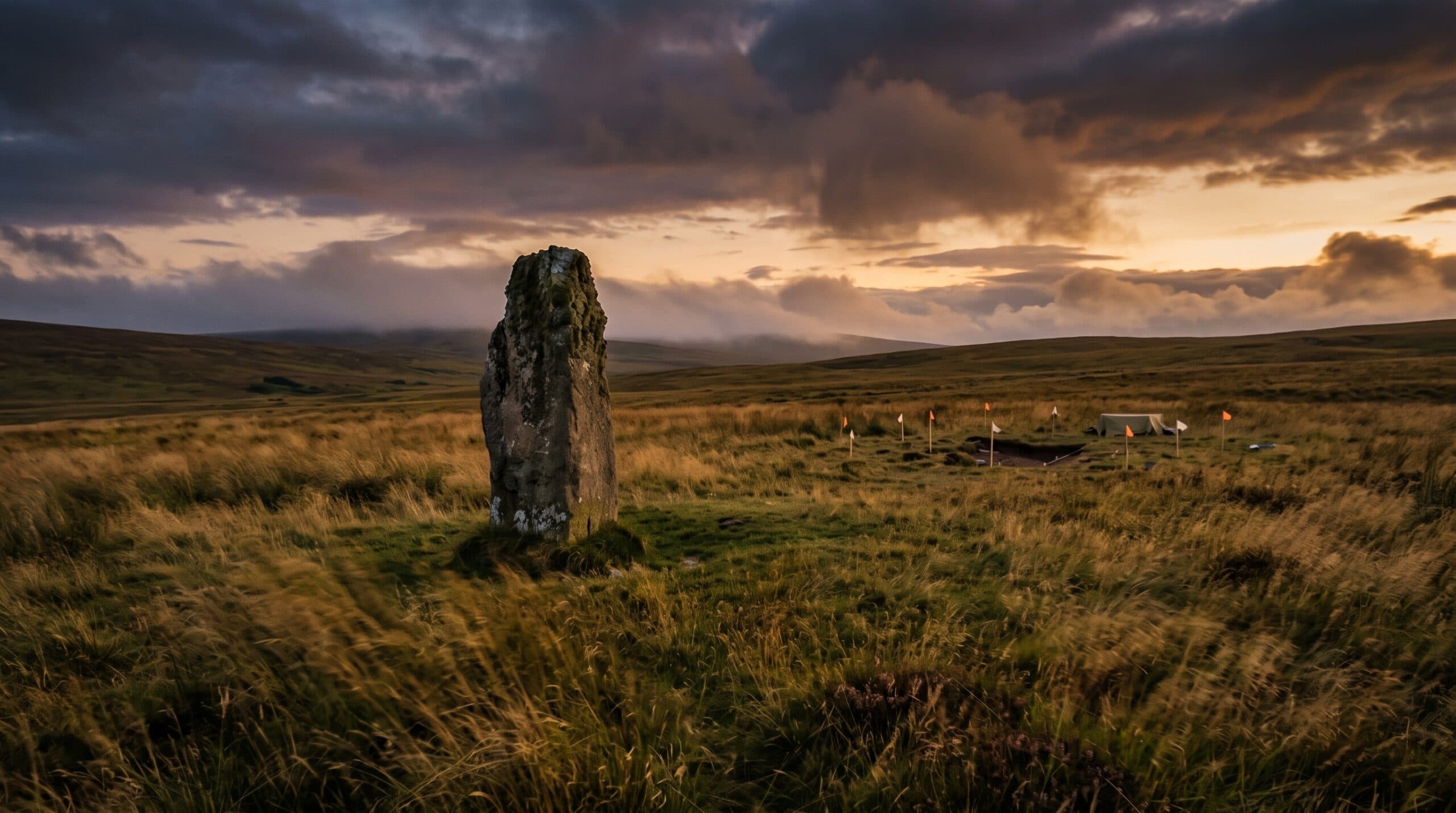
The Lonely Rock That Led Archaeologists to a 3,700-Year-Old Ritual Site
A single stone spotted by a student led archaeologists to a 3,700-year-old ritual site—and raised new questions about how ancient landscapes were read.
Aug 17, 2026 • 4 min read
Conspiracy Theories
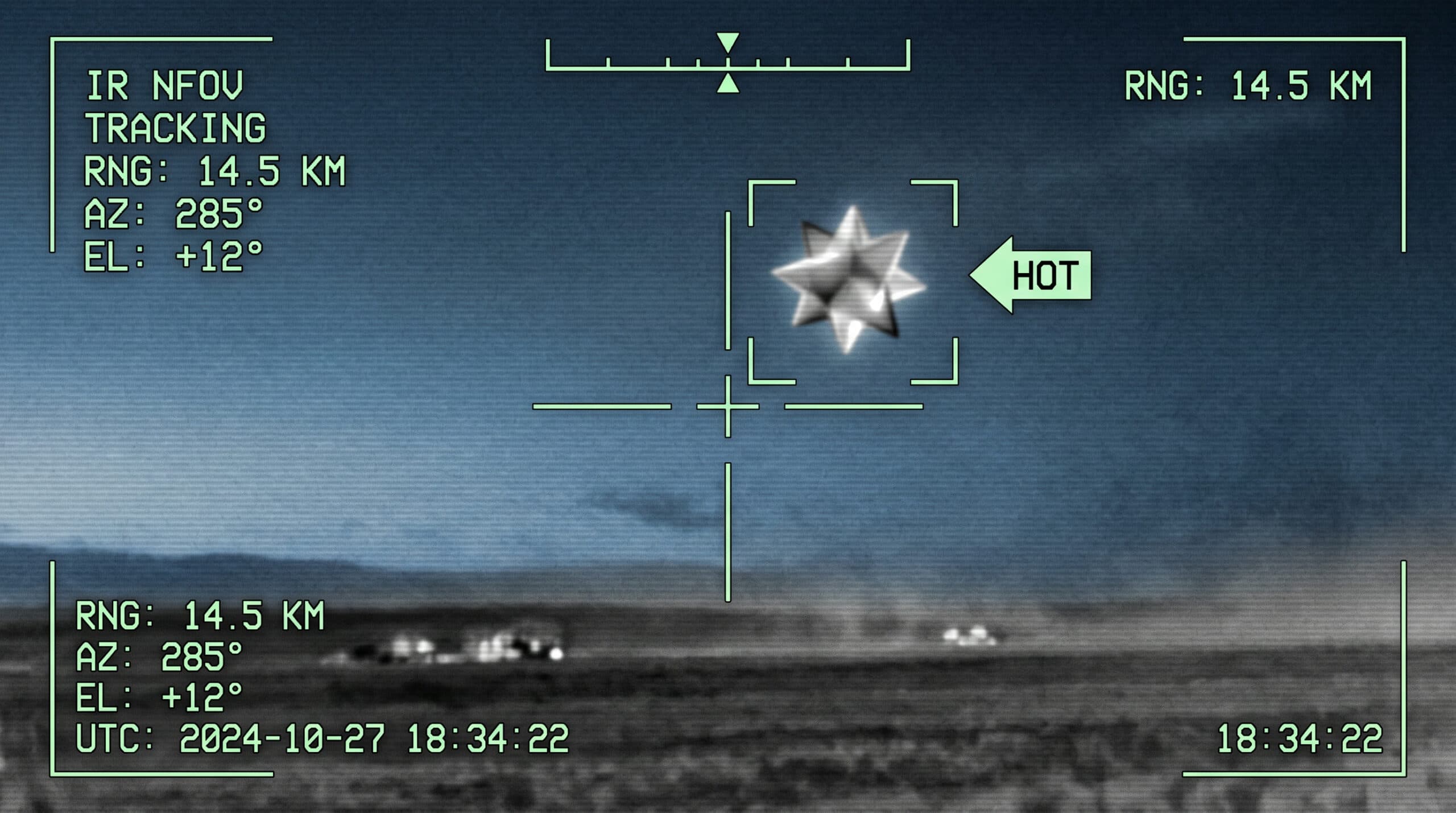
Ukrainian Defense Ministry Advisor Posts Star-Shaped UAP Video — and the Close-Ups Look Nothing Like a Drone
Serhii ‘Flash’ Beskrestnov released footage of a structured, star-shaped craft over Ukraine that has UFO researchers examining every frame for proof.
Archaeologists and geophysics specialists have objected not because they oppose dramatic discoveries, but because the evidentiary threshold for a claim this large is enormous. Remote-sensing interpretation can be useful, but it is not the same thing as confirmed excavation. Suggestive shapes, subterranean anomalies, or speculative visualizations do not automatically translate into a buried monumental structure.
Researchers and skeptics have argued that viral retellings often strip away technical nuance. What begins as a tentative anomaly or interpretive possibility gets repackaged online as if a discovery has already been made and only stubborn institutions are refusing to admit it.
That repackaging is a core part of the story.
Why the Theory Keeps Returning
The strongest evidence for why this theory survives is psychological rather than archaeological. People want Giza to remain unfinished. They want the possibility that something immense still lies hidden at the center of the world’s most famous ancient site.
That desire is intensified by the scale of the plateau itself. Monuments this large create a natural feeling that they must contain more than is visible. Once that expectation exists, every speculative claim becomes a candidate for belief.
For The Unexplained Company, the second Sphinx story matters not because it is proven, but because it reveals how hidden-history culture works. It shows how quickly technical ambiguity gets transformed into certainty when the setting is iconic enough and the symbolic payoff is large enough.
Advertisement
The theory also illustrates an important divide between mystery media and archaeological method. Mystery media rewards possibility. Archaeological method rewards confirmation. Viral conflict emerges whenever those systems collide.
Why This Story Still Fascinates People
In the end, the second Sphinx claim persists because it offers something most ancient-history stories do not: the fantasy that a world-famous site might still contain a discovery so large it would force a rewrite of what everyone thinks they know. Whether that fantasy is justified is another question entirely.
But fascination does not require proof. It requires symbolic power — and Giza has more of that than almost any place on Earth.
FAQ
Frequently Asked Questions
Is there a confirmed second Sphinx at Giza?
No. There is currently no confirmed archaeological evidence proving that a second Sphinx has been discovered at Giza.
Why did the claim go viral?
Because it combines ancient Egypt, hidden-history speculation, scientific-sounding remote sensing, and the promise of a discovery dramatic enough to challenge mainstream assumptions.
What are experts saying?
Experts have pushed back by emphasizing that interpreted anomalies or suggestive imaging are not the same as a confirmed excavation or verified buried monument.
Why do stories like this keep coming back?
Because iconic sites like Giza invite the belief that something enormous remains hidden. The setting itself sustains recurring mystery narratives.
Art Grindstone is the hard-nosed storyteller behind Unexplained.co, a veteran investigator whose life’s work sits at the crossroads of the paranormal, fringe science, and the shadows most people try not to look into. With decades spent chasing impossible stories — black-budget psychic programs, vanished Cold War experiments, desert rituals that sparked UFO waves, and the strange phenomena buried in America’s forgotten backroads — Art brings a rare combination of skepticism, awe, and journalistic precision. He’s not here to debunk. He’s not here to blindly believe. He follows the evidence wherever it leads — even when it leads someplace deeply uncomfortable. Known for his immersive, cinematic style and his ability to turn obscure research into gripping narrative, Art has built a devoted following across podcasts, long-form features, documentaries, and serialized investigations. His interviews are direct. His analysis is unflinching. His voice has become a staple in the modern paranormal renaissance — the guy people turn to when a story is too strange, too complex, or too dangerous for anyone else to touch. Off-mic, Art works with a distributed network of researchers, archivists, and field operatives who help surface the stories mainstream media ignores. On-mic, he transforms their findings into meticulous, high-impact reporting that refuses to insult the intelligence of true believers. His philosophy is simple: Take the phenomenon seriously. Treat the audience with respect. Tell the story as if the world depends on it — because sometimes it does. When Art Grindstone digs into a case, he isn’t just chasing a mystery. He’s tracing the fault lines of reality itself.