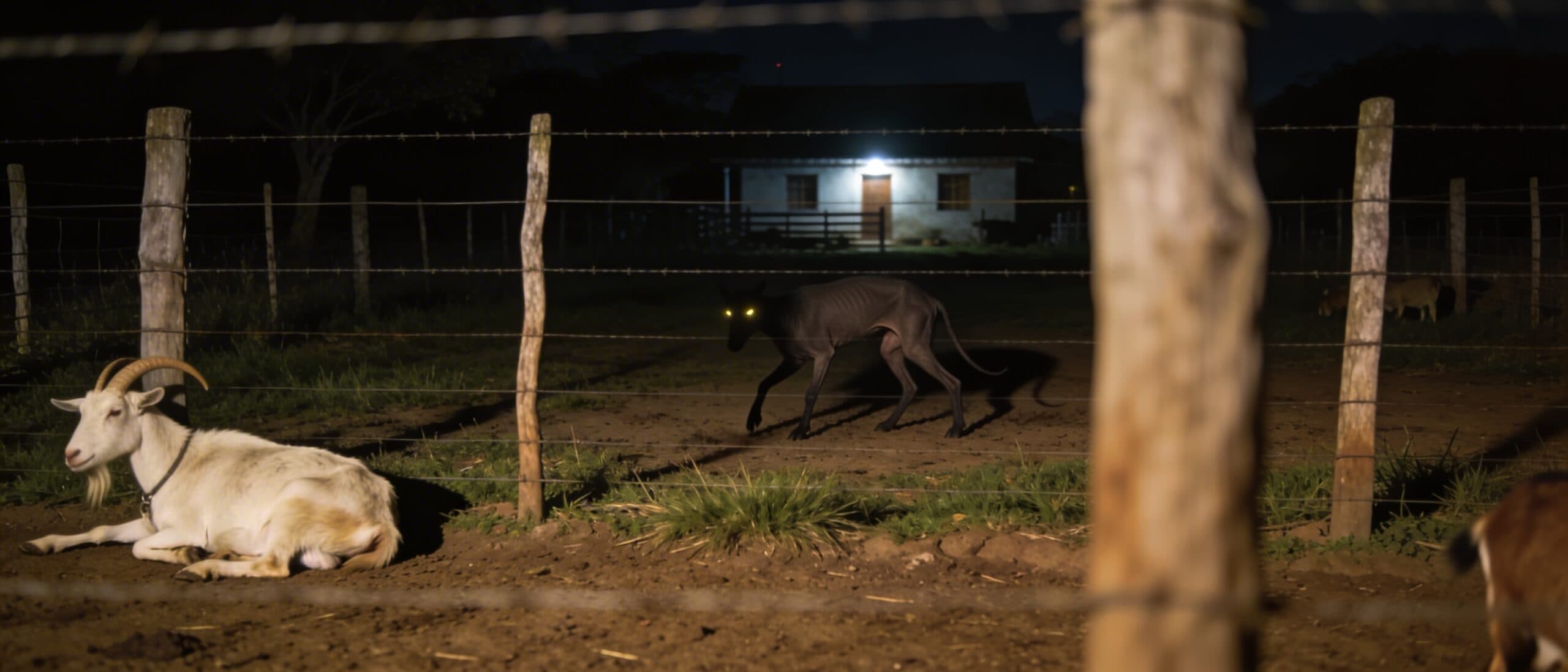

The Chupacabra Spanish for goat-sucker is one of the most enduring cryptids in the world, blamed for slaughtering livestock across the Americas since the first reported sightings in Puerto Rico in 1995. In 2026, the Chupacabra is not just a Latin American legend. It is a global phenomenon generating viral videos and a wave of sightings.
The creature is typically described as a hairless, mid-sized animal with glowing red eyes, fangs, and a taste for blood leaving livestock drained of their bodily fluids. In 2026, reports are coming from across the Americas.
Advertisement
The 2026 Argentine Case
In March 2026, an Argentine man reported a chilling encounter with a Chupacabra to NewsRadio 740 KTRH and Coast to Coast AM. The description was classic: a shadowy, menacing creature. Multiple videos have been posted to YouTube channels attempting to capture the creature elusive form.
The regional folklore context is rich: Argentine cryptozoology includes the Zupay, a Quechua word for Devil referring to a bipedal, dinosaur-like creature with a spiky back. These legends merged with Mexican vampire bat mythos and the Puerto Rican Chupacabra to create the hybrid creature now reported across South America.
Global Sightings in 2026
The Chupacabra has been reported in 15+ countries across multiple continents:
- Puerto Rico (origin, 1995)
- Mexico, Chile, Argentina, Bolivia, Brazil, Colombia (South America wave)
- Dominican Republic, El Salvador, Honduras, Nicaragua, Panama, Peru (Central America)
- Texas, Maine, Kentucky, Missouri, Nebraska (United States)
- Philippines (Asia-Pacific extension)
The BYONDR platform, which tracks cryptid sightings globally, reported in March 2026 that 4 confirmed sightings of Chupacabra-like creatures were logged in a single reporting period a significant spike.
What Science Says
Scientists and skeptics have consistently offered more mundane explanations:
- Coyotes with mange Hairless, patchy-coated wild dogs match the visual description
- Predation patterns can mimic blood-draining behavior