
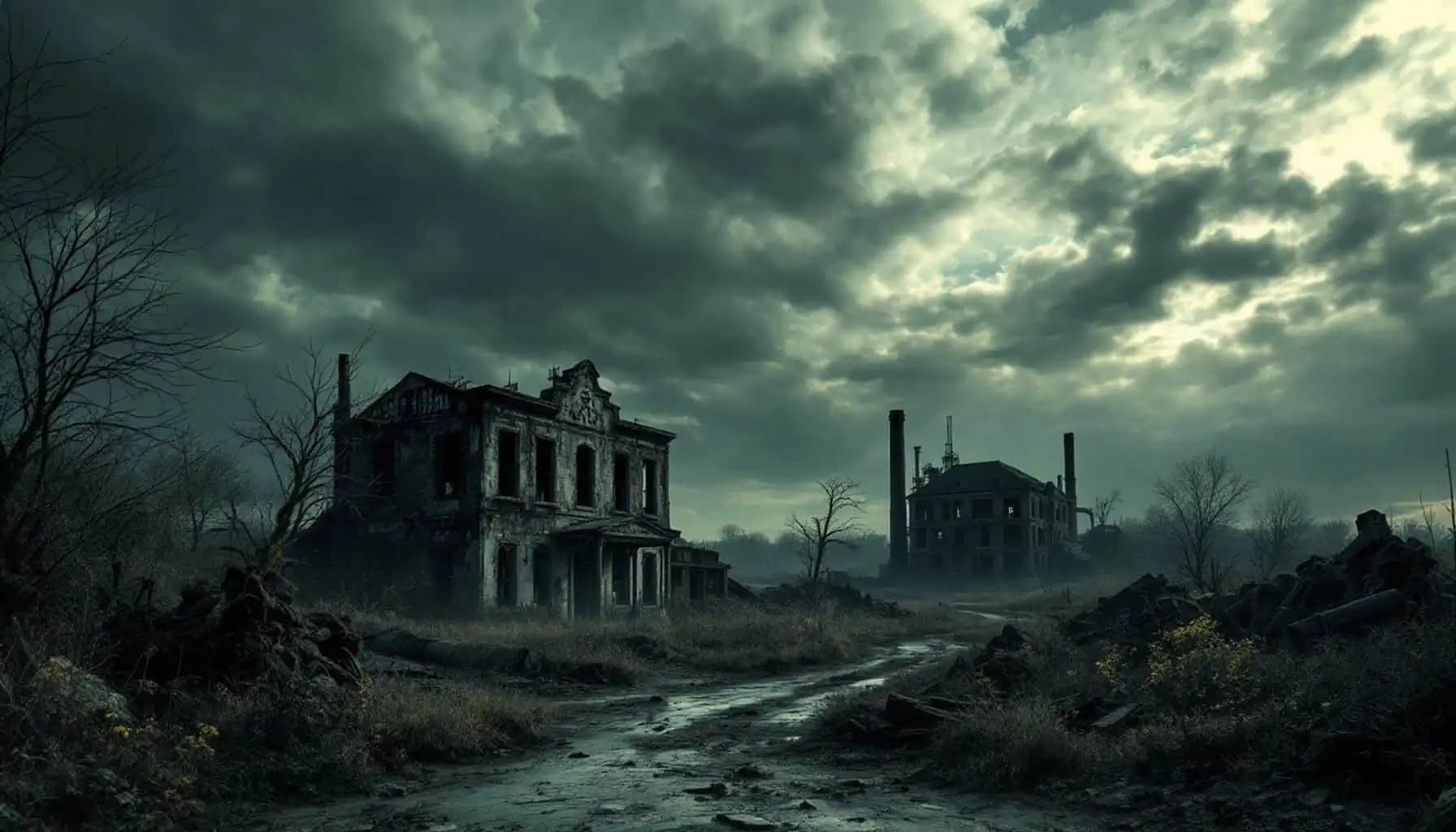

Picher, Oklahoma, once a bustling mining town, is now a haunting reminder of industrial neglect. Established in 1913, it thrived on lead and zinc production, especially during the world wars. However, environmental degradation and health crises led to its decline, leaving behind a toxic ghost town.
Key Takeaways
- Picher was a vital center for lead and zinc during the world wars.
- The town’s prosperity masked severe environmental issues.
- By the late 20th century, contamination led to health crises.
- The 2008 tornado accelerated the town’s decline, leading to its dissolution in 2009.
The Rise Of Picher
Picher is located in the northeastern tip of Oklahoma, bordering Kansas. The town emerged in 1913 when geologist George Oerman discovered rich deposits of lead and zinc. These metals were crucial for various industries, especially during the world wars, when demand surged.
The Tri-State Mining District, covering approximately 2,500 square miles, became one of the world’s largest producers of these minerals. Lead was essential for producing bullets and shells, while zinc was used to galvanize steel, making it durable for military equipment.
The Mining Boom
The town was named after Oliver H. Picher, who established the Picher Lead Company. By the mid-1880s, the Picher brothers controlled about 1,200 acres of mineral-rich land. Their influence grew significantly when they acquired the Lone L Mining Company, giving them a competitive edge in the smelting industry.
As mining operations expanded, Picher’s population skyrocketed. By 1926, it reached an astounding 14,215 residents. The city thrived, with infrastructure improvements, schools, and local businesses catering to the growing community.
The Dark Side Of Mining
Despite its prosperity, mining posed significant challenges. Miners worked long hours in dangerous conditions, often alongside children. The cramped mine shafts and the use of heavy tools made the work perilous. Moreover, child labor regulations were not established until 1914, allowing children to work in hazardous environments.
As the decades passed, the lead and zinc reserves began to deplete. By the late 1960s, a combination of market changes, rising operational costs, and environmental regulations made mining unsustainable. The city began to depopulate as miners sought work elsewhere.
Environmental Catastrophe
By the 1970s, the consequences of mining became evident. Studies revealed alarmingly high levels of lead in the soil and groundwater, leading to increased health problems, especially among children. Mining waste accumulated in enormous piles around the city, with an estimated 178 million tons of waste scattered across 30 piles.
In 1979, acidic water began flowing from abandoned mines into Tar Creek, contaminating the local water supply. By 1983, the EPA designated Picher and Tar Creek as a Superfund site, marking it as one of the most contaminated areas in the U.S.
The Decline Of A Community
Despite cleanup efforts, the contamination was overwhelming. Many residents were reluctant to leave their homes and community, even as health risks became apparent. The federal government initiated a buyout program, but compensation was often deemed insufficient.
As the population dwindled, public services deteriorated. Schools closed, and essential services became intermittent. By the 1990s, the threat of sinkholes emerged as abandoned mines began to collapse.
The Tornado That Changed Everything
On May 11, 2008, an EF4 tornado devastated Picher, destroying the southern half of the town and claiming seven lives. The extent of the damage was not revealed until days later, as barricades surrounded much of the city. The tornado accelerated the exodus of remaining residents, many of whom felt the buyout price was inadequate.
The Final Days Of Picher
By 2009, most residents had left, and Picher’s once vibrant streets became desolate. The town officially dissolved its charter in 2013, with only a handful of residents remaining to witness the slow cleanup process. The story of Picher serves as a powerful reminder of how unchecked industrial practices can lead to devastating consequences.
Conclusion
The rise and fall of Picher, Oklahoma, encapsulate the dangers of industrial neglect. Once a thriving community, it now stands as a monument to past mistakes. The resilience of its former residents is a testament to the human spirit, even in the face of overwhelming adversity. Picher’s legacy is a cautionary tale about the importance of environmental stewardship and community health.