The Dyatlov Pass Mystery: Nine Hikers, One Impossible Night | Unexplained
Articles
The Dyatlov Pass Mystery: Nine Hikers, One Impossible Night
The dyatlov pass mystery remains one of the most chilling unsolved cases of the twentieth century: in February 1959, nine experienced Soviet ski hikers died in the Ural Mountains under circumstances so bizarre that…
Art Grindstone is the hard-nosed storyteller behind Unexplained.co, a veteran investigator whose life’s work sits at the crossroads of the paranormal, fringe science, and the shadows most people try not to look into. With decades spent chasing impossible stories — black-budget psychic programs, vanished Cold War experiments, desert rituals that sparked UFO waves, and the strange phenomena buried in America’s forgotten backroads — Art brings a rare combination of skepticism, awe, and journalistic precision. He’s not here to debunk. He’s not here to blindly believe. He follows the evidence wherever it leads — even when it leads someplace deeply uncomfortable. Known for his immersive, cinematic style and his ability to turn obscure research into gripping narrative, Art has built a devoted following across podcasts, long-form features, documentaries, and serialized investigations. His interviews are direct. His analysis is unflinching. His voice has become a staple in the modern paranormal renaissance — the guy people turn to when a story is too strange, too complex, or too dangerous for anyone else to touch. Off-mic, Art works with a distributed network of researchers, archivists, and field operatives who help surface the stories mainstream media ignores. On-mic, he transforms their findings into meticulous, high-impact reporting that refuses to insult the intelligence of true believers. His philosophy is simple: Take the phenomenon seriously. Treat the audience with respect. Tell the story as if the world depends on it — because sometimes it does. When Art Grindstone digs into a case, he isn’t just chasing a mystery. He’s tracing the fault lines of reality itself.
6 min · 1,302 words
In This Report(13)
The dyatlov pass mystery remains one of the most chilling unsolved cases of the twentieth century: in February 1959, nine experienced Soviet ski hikers died in the Ural Mountains under circumstances so bizarre that official investigators could only conclude a “compelling natural force” was responsible. Decades later, declassified documents, competing theories, and a persistent cryptid hypothesis keep this case alive for a new generation of researchers.
What happened on the slopes of Kholat Syakhl — a name that translates roughly to “Dead Mountain” in the local Mansi language — has never been fully explained. The Dyatlov Pass incident sits at the intersection of Cold War secrecy, wilderness horror, and the kind of evidence that refuses to fit any single explanation. That’s exactly why it won’t go away.
What This Story Actually Says About the Dyatlov Pass Mystery
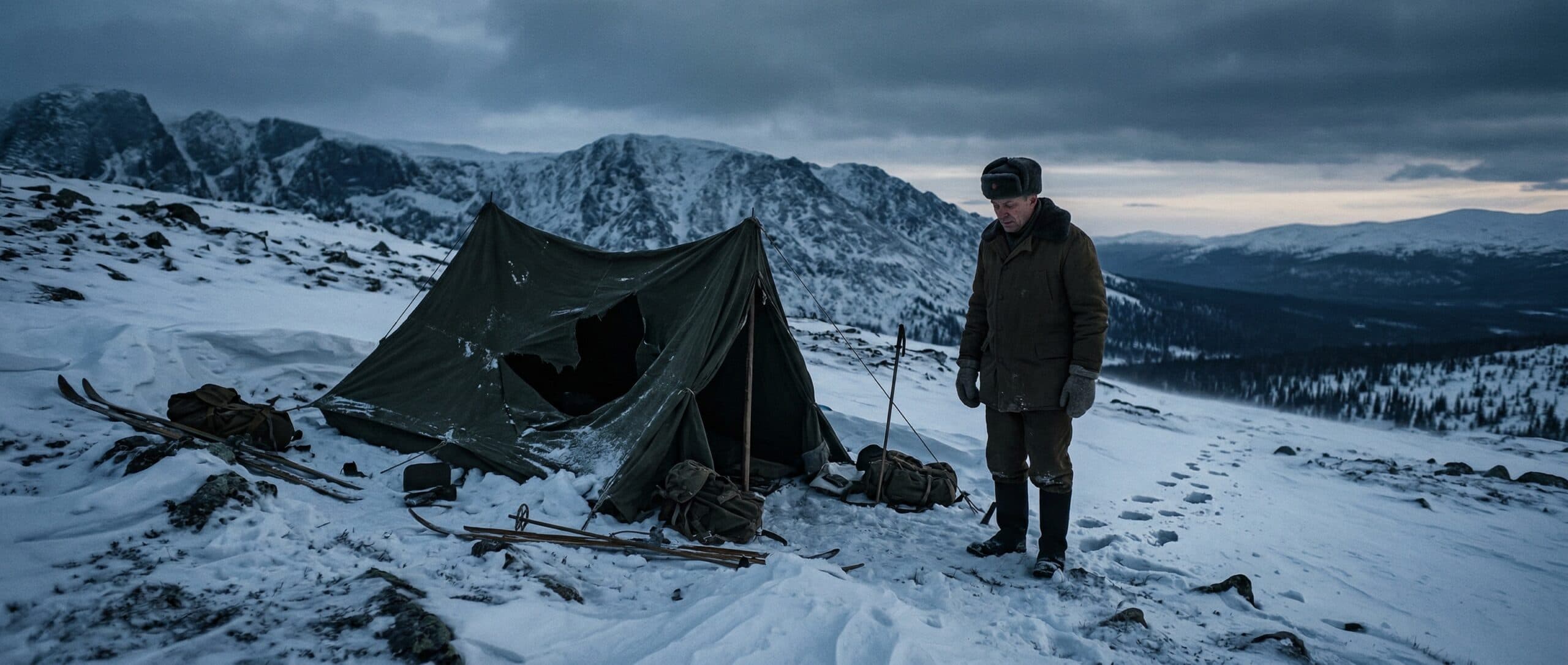
On the night of February 1–2, 1959, the nine hikers — led by Igor Dyatlov, all experienced mountaineers — abandoned their tent in temperatures reaching -30°C. They were barefoot or wearing only socks. The tent had been cut open from the inside, suggesting something drove them out in a frantic rush.
Advertisement
Their bodies were found scattered across the slope over the following weeks. Some showed signs of extreme trauma: crushed ribs, a fractured skull, one victim missing her tongue. Yet there were no external wounds consistent with a physical assault. Two bodies showed radiation traces. Soviet investigators closed the case with a verdict of “unknown natural forces” — a phrase that has haunted researchers ever since.
In 2019, declassified documents revealed that investigator Lev Ivanov had observed luminous spheres in the sky above the pass on the night in question — information suppressed at the time. His private notes described these orbs with visible unease. The full Wikipedia overview of the Dyatlov Pass incident documents the timeline in detail, though it cannot resolve the central mystery.
Why This Topic Spreads So Easily
The Dyatlov Pass mystery has every element that makes a story go viral before “going viral” was even a concept. It involves real people with names and faces. It happened behind the Iron Curtain, where secrecy was default and truth was rationed. The physical evidence is genuinely strange — the injuries, the radiation, the missing tongue, the luminous spheres. And crucially, every mainstream explanation leaves something unexplained.
When an avalanche theory feels insufficient, people reach for infrasound. When infrasound doesn’t explain the radiation, the military weapons theory steps in. When no theory fits perfectly, the human mind does what it always does: it looks for an agent. Something with intent. Something watching from the dark. That’s where the cryptid theory enters.
The Deep Sea Sphere: 1990s SCUBA Divers Filmed Something in the Bahamas That Still Defies Classification
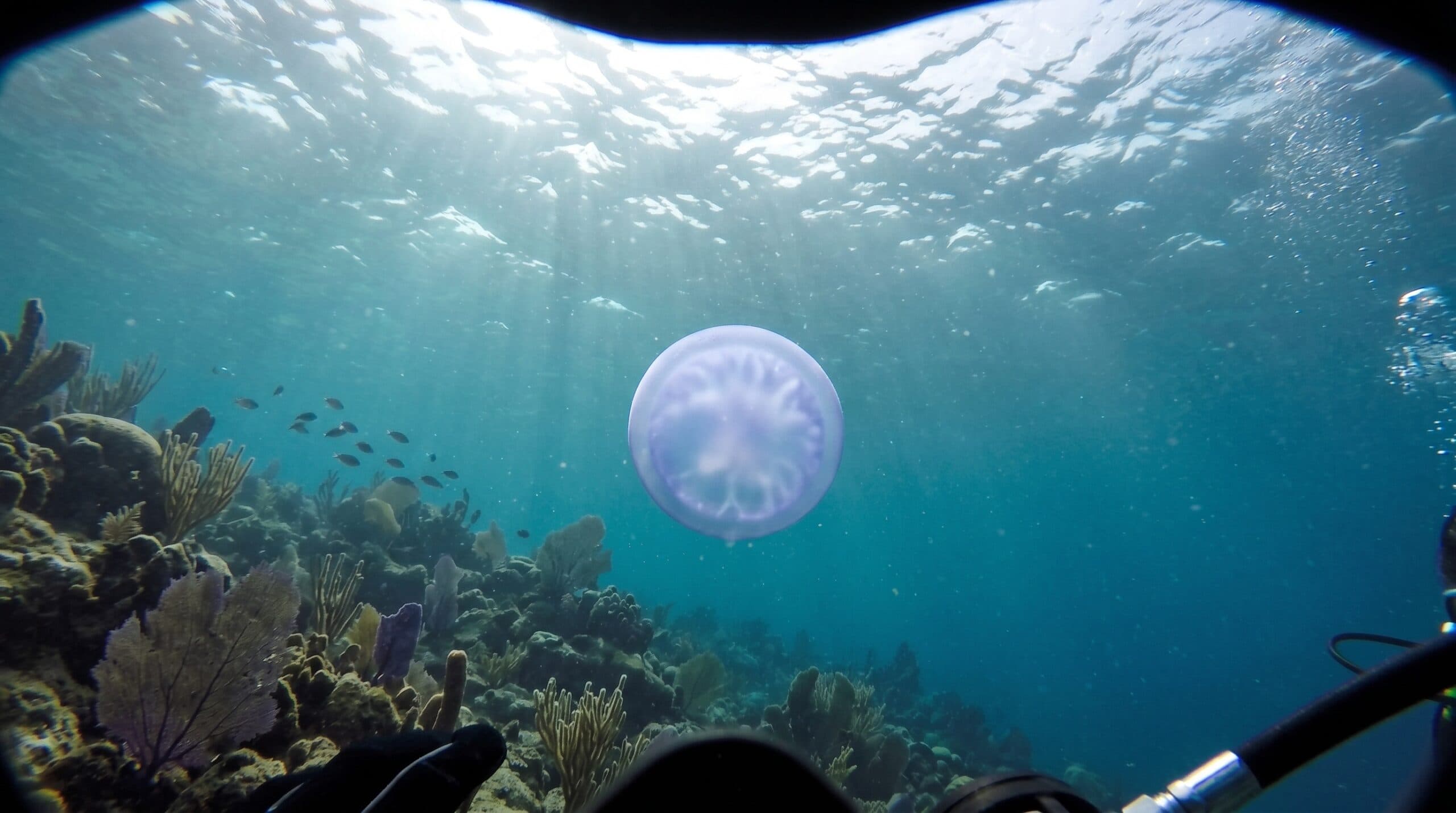
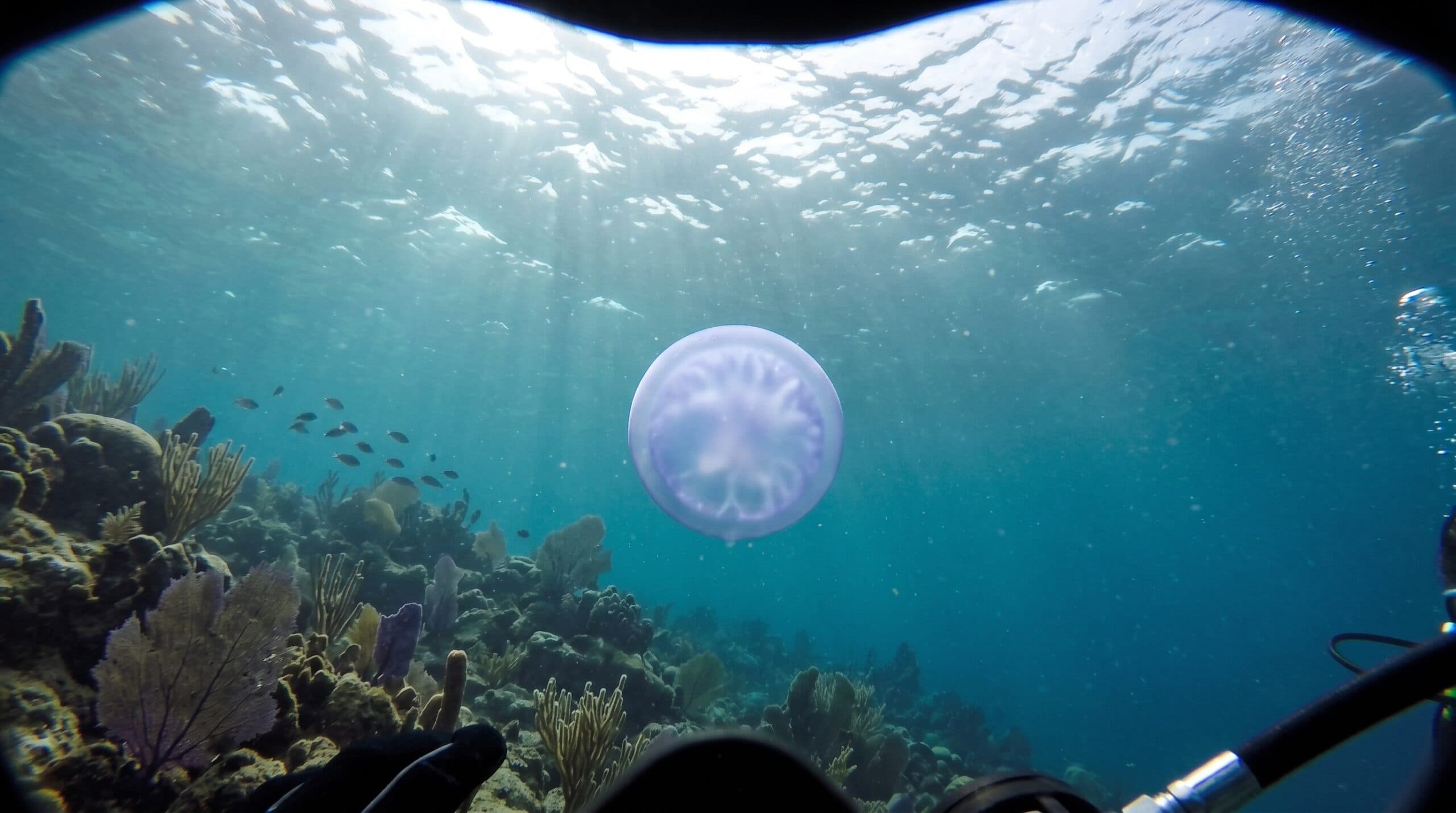
A clip from the 1990s shows SCUBA divers encountering a strange, perfectly spherical creature in the Bahamas. Decades later, the footage is resurfacing — and cryptid researchers, marine biologists, and UAP watchers all have different theories about what it is.
May 13, 2026 • 6 min read
Articles
The Sunken Basilica of Iznik: Did a Lake Hide the Council of Nicaea?
A basilica beneath Lake Iznik has revived a 1,700-year-old question: was this the setting of the First Council of Nicaea, or a compelling archaeological near-miss?
Aug 18, 2026 • 6 min read
Strange History
The Etruscan Well Sealed With Human Remains Is Stranger Than a Sacrifice Story
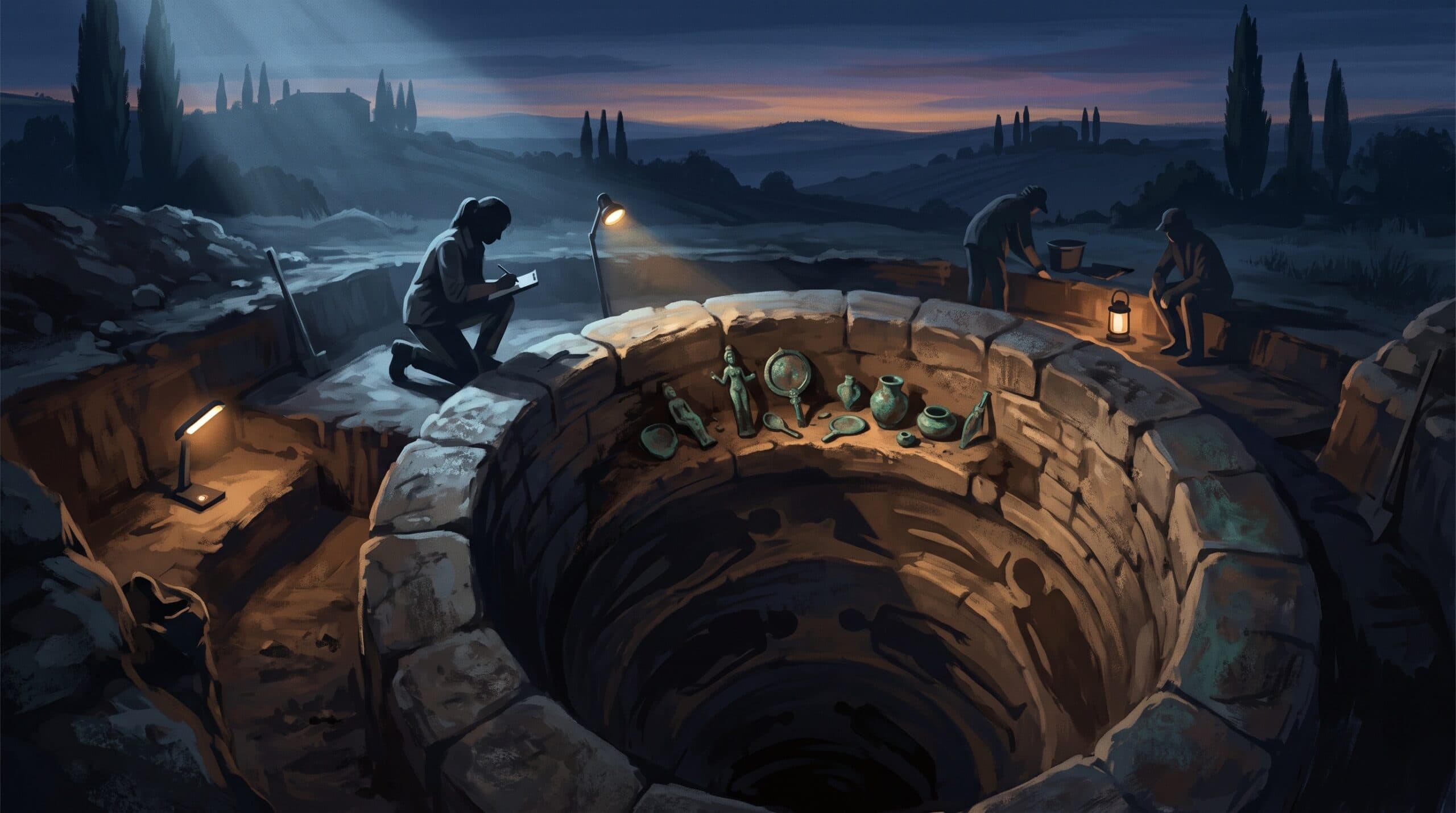
A newly reported Etruscan well in Italy was opened with offerings and sealed with human remains. The evidence reveals a ritual mystery, not a simple sacrifice tale.
Aug 18, 2026 • 7 min read
What the Evidence Actually Supports
The cryptid theory — specifically, the idea that a Russian Yeti or Menk encountered the group — is popular but faces a fundamental problem: no animal tracks were found near the tent or the bodies. The Soviet investigators, whatever they were hiding, did conduct a physical search of the area. According to dyatlovpass.com, the most comprehensive English-language archive on the case, no evidence of large animal activity was recorded.
What the evidence does support: the tent was cut from inside, not outside. The hikers fled deliberately rather than stumbling out in confusion. The fatal injuries on some victims were consistent with extreme compression — the kind produced by mechanical force or an explosion at distance — not with animal attack. The radiation traces on two items of clothing remain unexplained.
The 2019 Russian reinvestigation concluded avalanche was the most likely cause, but acknowledged it could not account for all the anomalies. Researchers affiliated with the United States Holocaust Memorial Museum’s work on Soviet-era secrecy have noted that the systematic suppression of inconvenient evidence was standard practice — meaning what the official record says and what happened may diverge significantly.
What Skeptics or Mainstream Experts Would Say
The dominant scientific position is that an avalanche or slab of wind-compacted snow struck the tent, causing the group to flee in panic. The unusual injuries could result from being struck by dense snow while sheltering in a ravine. The radiation, in this view, may be a red herring — some of the hikers worked in facilities where low-level radiation exposure was common.
The luminous spheres reported by Ivanov? Skeptics point to military flares, rocket tests from the Kapustin Yar facility, or even natural atmospheric phenomena like plasma vortices. The suppression of Ivanov’s notes is explained as standard Soviet-era censorship of anything that might raise uncomfortable questions about military activity — not evidence of a paranormal cover-up.
Why This Story Still Matters
The Dyatlov Pass mystery matters because it is, at its core, a story about the limits of institutional honesty. The Soviet government knew something it didn’t tell the families. Whether that something was a weapons test, a classified aerial program, or something stranger, the deliberate opacity transformed a tragedy into a mystery that has now outlasted the government responsible for the cover-up.
It also matters because the nine hikers were real. Lyudmila Dubinina. Semyon Zolotaryov. Yuri Doroshenko. The tendency to treat this case as a puzzle can obscure the fact that nine young people died in terrible circumstances, and their families never received a satisfactory answer.
Advertisement
The Bigger Unexplained Pattern
Dyatlov Pass sits within a long tradition of wilderness encounters that defy easy explanation — from the Bennington Triangle disappearances in Vermont to the mysterious deaths in the forests of Japan’s Aokigahara. What unites these cases is not necessarily the paranormal, but the consistent failure of official investigation to fully account for the evidence. The cryptid angle is the loudest part of the Dyatlov story, but the deeper mystery is institutional: what did the Soviet government know, and why did it matter enough to suppress?
Final Assessment
The Dyatlov Pass mystery is unlikely to be solved definitively. Too much time has passed, too many documents remain classified or destroyed, and the physical site has changed. What we can say is that the cryptid theory, while compelling as narrative, lacks the physical evidence to be considered seriously alongside the military, infrasound, and avalanche hypotheses. The luminous spheres reported by Lev Ivanov are the most genuinely unexplained element — and they point not toward a creature in the snow, but toward something in the sky above it. Whatever it was, nine people paid for the encounter with their lives, and Russia has never fully explained why.
Frequently Asked Questions
Was the Dyatlov Pass mystery ever officially solved?
No. A 2019 Russian reinvestigation concluded that an avalanche was the most likely explanation, but acknowledged it could not account for all the physical evidence — including the radiation traces, the unusual injuries, and the luminous spheres reported by investigator Lev Ivanov.
Is the Russian Yeti theory taken seriously by researchers?
Mainstream researchers consider it unlikely. The absence of animal tracks near the tent or bodies is a significant problem for the cryptid hypothesis. Most serious researchers focus on military, atmospheric, or geological explanations.
What were the luminous spheres seen at Dyatlov Pass?
Investigator Lev Ivanov reported seeing glowing orbs in the sky over the pass on the night of the deaths. His notes were classified and only released in 2019. Explanations range from military flares and rocket tests to natural plasma phenomena — none has been confirmed.
Why was the Soviet investigation kept secret?
Historians believe the secrecy was connected to nearby military testing programs. The Kapustin Yar rocket facility was active in the region, and Soviet policy routinely suppressed information that might draw attention to classified military activity.
Art Grindstone is the hard-nosed storyteller behind Unexplained.co, a veteran investigator whose life’s work sits at the crossroads of the paranormal, fringe science, and the shadows most people try not to look into. With decades spent chasing impossible stories — black-budget psychic programs, vanished Cold War experiments, desert rituals that sparked UFO waves, and the strange phenomena buried in America’s forgotten backroads — Art brings a rare combination of skepticism, awe, and journalistic precision. He’s not here to debunk. He’s not here to blindly believe. He follows the evidence wherever it leads — even when it leads someplace deeply uncomfortable. Known for his immersive, cinematic style and his ability to turn obscure research into gripping narrative, Art has built a devoted following across podcasts, long-form features, documentaries, and serialized investigations. His interviews are direct. His analysis is unflinching. His voice has become a staple in the modern paranormal renaissance — the guy people turn to when a story is too strange, too complex, or too dangerous for anyone else to touch. Off-mic, Art works with a distributed network of researchers, archivists, and field operatives who help surface the stories mainstream media ignores. On-mic, he transforms their findings into meticulous, high-impact reporting that refuses to insult the intelligence of true believers. His philosophy is simple: Take the phenomenon seriously. Treat the audience with respect. Tell the story as if the world depends on it — because sometimes it does. When Art Grindstone digs into a case, he isn’t just chasing a mystery. He’s tracing the fault lines of reality itself.