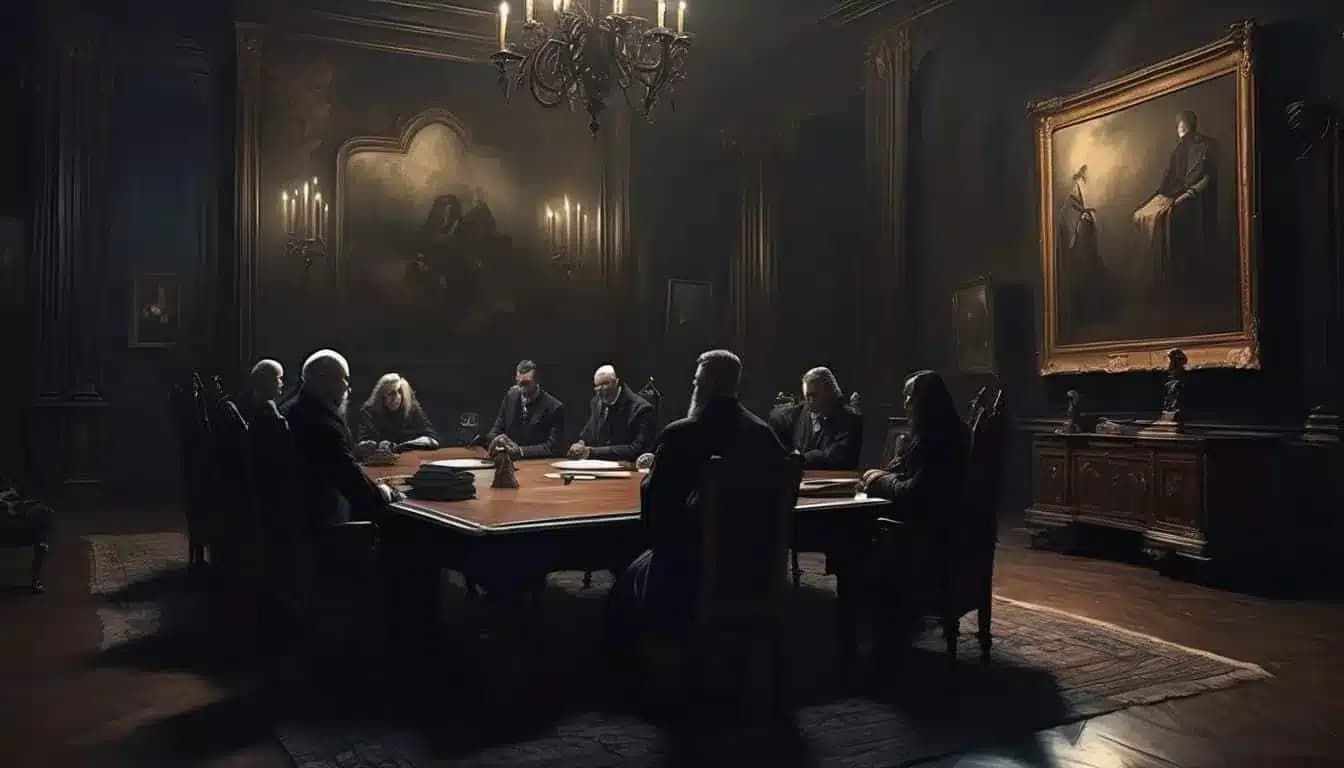
Secret societies have long fascinated the public imagination with their clandestine operations, mysterious rituals, and purported influence on global events. From ancient civilizations to modern times, these covert organizations have been the subject of countless theories and speculations. This article delves into the enigmatic world of secret societies, exploring their origins, evolution, and the impact they have had on politics, culture, and psychology.
Key Takeaways
- Secret societies have evolved from ancient times to the present, adapting to cultural and political changes while maintaining their core principles and rituals.
- These organizations have had significant, albeit often hidden, influence on political events and decisions throughout history, shaping the course of nations.
- The public’s fascination with secret societies is fueled by their portrayal in literature, film, and media, as well as the psychological allure of exclusivity and power.
The Origins and Evolution of Secret Societies

Ancient Beginnings and Early Influences
Secret societies can be traced back to the dawn of civilization. These organizations often emerge during times of societal change or stress, fulfilling various needs – from spiritual to social to political. Some societies, such as the mystery schools of ancient Greece, Egypt, and Rome, were formed around religious or spiritual rites and teachings. Others, like the infamous Illuminati or the Freemasons, were born out of political, intellectual, or even revolutionary movements.
The Rise of Medieval and Renaissance Societies
During the medieval and Renaissance periods, secret societies flourished. The Knights Templar, for instance, started as a group of warrior monks but evolved into a powerful and wealthy organization. Freemasonry also gained prominence during this time, evolving from stonemason guilds into a global network of fraternal organizations. These societies often had rigorous initiation processes and hierarchical structures, making them both exclusive and influential.
Modern-Day Secret Societies and Their Adaptations
In today’s world, secret societies have adapted to modern times. Groups like the Skull and Bones Society at Yale University or the Bilderberg Group continue to spark intrigue and conspiracy theories. While their activities are often shrouded in mystery, their influence on politics, business, and culture remains a topic of fascination. The allure of the unknown and the enduring fascination with the unseen mysteries of the world keep these societies in the public eye.
The hidden world of secret societies remains a fascinating aspect of human social structures. Despite the mystery and speculation surrounding them, these societies provide unique insights into human history, sociopolitical changes, and cultural development.
Influence on Politics and Global Events
Historical Political Intrigues
Secret societies have always had a knack for weaving themselves into the fabric of political history. From the Freemasons to the Illuminati, these groups have been linked to numerous political plots and power plays. Their influence on American politics is especially notable, with many U.S. Presidents being members. The creation of the Central Intelligence Agency and the planning of the Vietnam War are just a couple of examples where secret societies have left their mark.
Modern Political Connections
In today’s world, secret societies might not be as overt, but their presence is still felt. They continue to serve as networks for the powerful and elite, acting as conduits for ideas and agendas outside the mainstream. Media manipulation and infiltration of government and intelligence agencies are just some of the ways they exert their influence. The agenda for global domination and the potential implementation of a one-world government are topics often discussed in relation to these groups.
Case Studies: Key Events Shaped by Secret Societies
- The American Revolution: Freemasons played a significant role in the American Revolution, with many founding fathers being members.
- The French Revolution: The Illuminati and other secret societies were rumored to have influenced the events leading up to and during the French Revolution.
- The Vietnam War: The involvement of secret societies in the planning and execution of the Vietnam War has been a topic of much debate.
Despite this enduring fascination, the role of secret societies must be understood within a broader sociopolitical context. While they can influence individual events or individuals, societal change is complex and multifaceted, often shaped by broader social movements and cultural shifts.
Cultural Impact and Public Perception

Portrayal in Literature and Film
Secret societies have long been a staple in literature and film. From the shadowy Illuminati in Dan Brown’s novels to the mysterious organizations in movies like “Eyes Wide Shut,” these groups captivate our imagination. They add an element of intrigue and suspense, making stories more compelling. Their portrayal often blurs the line between fact and fiction, leaving us questioning what is real.
Media and Pop Culture Representations
In today’s media landscape, secret societies are often depicted through a conspiratorial lens. Shows like “Ground Zero with Clyde Lewis” delve into how these groups might influence current affairs. Podcasts such as “Ground Zero Radio” and “The Paradigm Shift” explore hidden meanings in global politics and state ceremonies. These representations fuel public curiosity and keep the topic alive in popular discourse.
Public Fascination and Conspiracy Theories
The public’s fascination with secret societies is undeniable. Whether it’s the Freemasons or the Skull and Bones, these groups are often at the center of elaborate conspiracy theories. People love to speculate about their influence on world events and elite connections. This fascination is not just a modern phenomenon; it has historical roots that continue to evolve. The allure of the unknown keeps us hooked, always searching for the next big revelation.
The role of secret societies must be understood within a broader sociopolitical context. While they can influence individual events or people, societal change is complex and multifaceted, often shaped by broader social movements and cultural shifts.
Psychology Behind Secret Societies

The Appeal of Exclusivity and Power
We all crave a sense of belonging, but secret societies take it a step further. They offer exclusivity and the allure of hidden knowledge. Being part of an elite group makes members feel special and powerful. It’s like having a VIP pass to the mysteries of the universe. Who wouldn’t want that? Shows like “The Secret Teachings with Ryan Gable” delve into these aspects, making us even more curious.
Psychological Profiles of Members
Members of secret societies often share certain traits. They’re usually intelligent, ambitious, and sometimes a bit paranoid. They seek control and influence, often feeling misunderstood by mainstream society. This need for secrecy and control can be both a strength and a weakness. Podcasts like “Into the Parabnormal” explore these psychological nuances, giving us a peek into the minds of these enigmatic individuals.
The Role of Rituals and Symbols
Rituals and symbols are the lifeblood of secret societies. They create a sense of unity and purpose among members. These elements are not just for show; they have deep psychological impacts. They reinforce the group’s values and beliefs, making members feel connected to something greater than themselves.
Understanding the psychology behind secret societies helps us see why they endure. It’s not just about the secrets; it’s about the human need for connection, power, and meaning.
The allure of secret societies has fascinated people for centuries, delving into the psychology behind these enigmatic groups reveals a complex web of motivations and influences. At Aftermath Media, we bring hidden truths to the forefront, offering exclusive content and in-depth research that you won’t find elsewhere. Join us on a journey of discovery that will change your life forever.
Conclusion
In unraveling the enigmatic world of secret societies, we uncover a tapestry woven with intrigue, power, and mystery. From the Freemasons to the Illuminati, these clandestine groups have left an indelible mark on history and continue to captivate our collective imagination. While some secret societies have undeniably influenced significant events and individuals, their true impact is often shrouded in myth and speculation. As we delve deeper into their hidden agendas and covert operations, it becomes clear that these societies offer unique insights into human behavior, sociopolitical dynamics, and cultural evolution. Whether through their direct actions or the legends they inspire, secret societies will forever remain a fascinating aspect of our world, whispering of power, knowledge, and the tantalizing unknown.
Frequently Asked Questions
What are some of the most well-known secret societies?
Some of the most well-known secret societies include the Freemasons, the Illuminati, the Knights Templar, and Skull and Bones. These organizations have been the subject of numerous conspiracy theories and are often depicted in popular culture.
How have secret societies influenced global politics?
Secret societies have been linked to various political intrigues and events throughout history. For example, the Freemasons are believed to have played a role in the American Revolution, and the Illuminati are often associated with the French Revolution. In modern times, groups like the Bilderberg Group are thought to influence global economic and political policies.
Why are people fascinated by secret societies?
The allure of secret societies lies in their mystery and exclusivity. They often promise access to hidden knowledge, power, and influence, which captivates the imagination. Additionally, their portrayal in literature, film, and media fuels public fascination and conspiracy theories.