
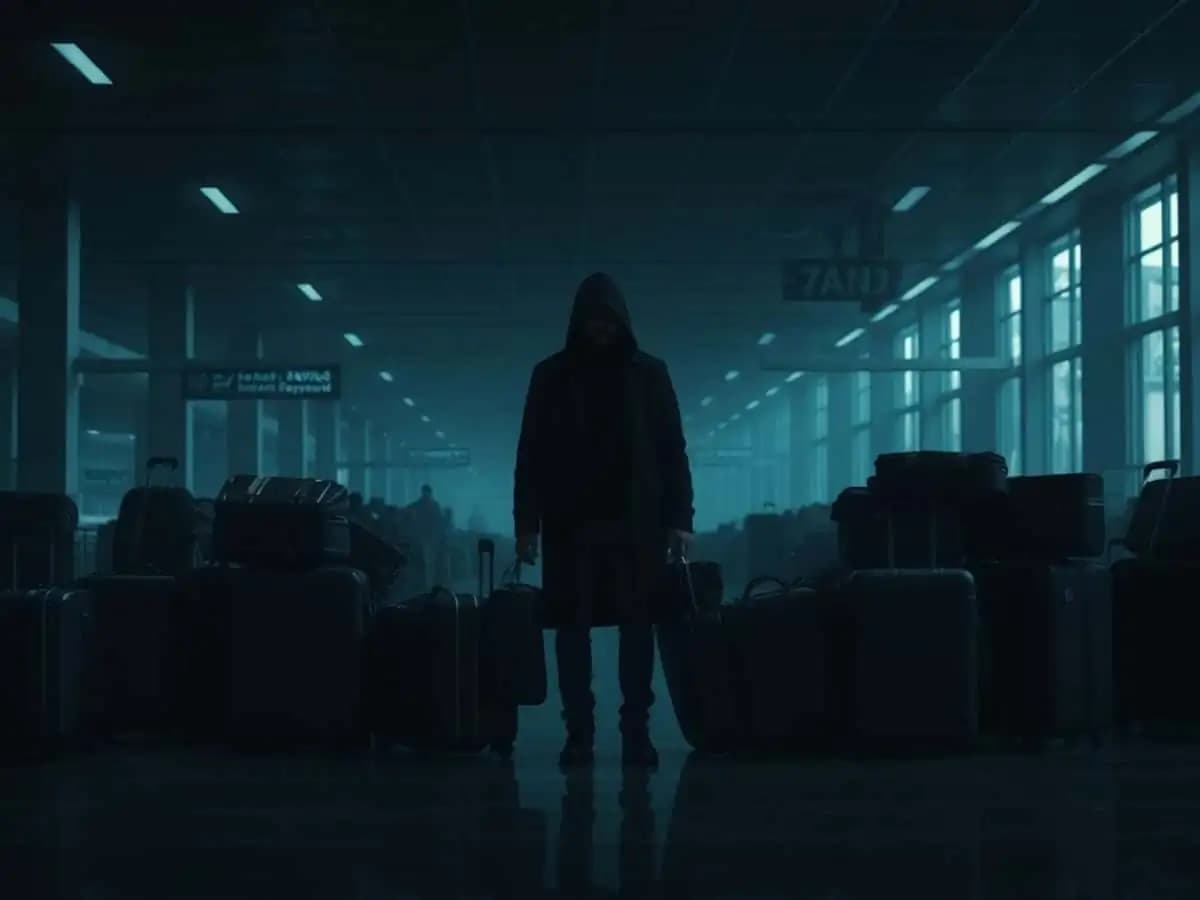

Imagine a life spent in limbo, where time has no idea what it’s doing and neither do you. Most of us are just passing through, rushing from one place to another, maybe grabbing a snack or checking our phones. But for one man, the airport became his home for nearly two decades.
Key Takeaways
- Moran’s Background: Born in Iran, he faced identity struggles and political turmoil.
- Life in Limbo: He became a permanent fixture at Charles de Gaulle Airport after losing his documents.
- Bureaucratic Nightmare: His situation highlighted the absurdities of government bureaucracy.
- Cultural Icon: His story inspired a Hollywood film, yet the reality was far more complex.
- Final Years: After returning to the airport, he passed away in the same place he called home.
The Beginning of a Strange Journey
Moran Karimi Nasseri was born in 1945 in a small oil-rich town in Iran. His father was a respected doctor, and his mother was believed to be Scottish. This unique background contributed to his identity crisis later in life.
In the late 1970s, as the Iranian Revolution unfolded, Moran found himself caught between worlds. Fearing for his safety due to his ties to the West, he sought asylum in Europe. He was granted refugee status in Belgium in 1981 but struggled to settle down, moving from country to country in search of family ties and residency.
The Airport Life Begins
In August 1988, Moran arrived at Charles de Gaulle Airport in Paris, intending to continue his journey to the UK. However, a cruel twist of fate struck when his briefcase, containing crucial documents, was stolen. Without identification, he was trapped in a bureaucratic limbo.
French authorities prevented him from leaving the airport, and thus began his 18-year stay in Terminal One. Initially, he thought it would be a temporary situation, but days turned into weeks, and weeks into years.
Life in Terminal One
Moran adapted to his new life in the airport. He claimed a red plastic bench near a potted plant and began to accumulate personal items. He would freshen up in the restrooms, buy coffee and pastries, and read newspapers. Over time, he became a familiar face, known to airport staff and travelers alike.
Despite the oddity of his situation, he maintained a polite demeanor and engaged in conversations about politics and current events. His knowledge was vast, and many found him to be an insightful figure amidst the chaos of airport life.
The Media Spotlight
As the years passed, Moran’s story attracted media attention. Journalists and curious travelers sought him out, intrigued by the man who had made the airport his home. His narrative evolved, often embellished, as he recounted his tale to anyone willing to listen.
In 2004, his life inspired the film “The Terminal,” directed by Steven Spielberg and starring Tom Hanks. While the movie fictionalized many aspects of his life, it brought global attention to his unique predicament.
A Long-Awaited Resolution
After nearly two decades, the French government finally took action in 2006. With the help of advocates and media attention, they issued Moran new legal documents, allowing him to leave the airport. However, after so many years of institutionalization, he found the idea of leaving terrifying.
Moran had become accustomed to the routines of airport life, and the outside world felt alien to him. He was escorted to a hospital for medical care, marking the end of his time in Terminal One.
The Return to the Airport
In 2022, after struggling to adapt to life outside the airport, Moran made the decision to return. He settled back into his familiar red bench, resuming his daily routines. However, the airport had changed, and many of the staff who once knew him were gone.
On November 12, 2022, Moran passed away at the age of 77, sitting on his beloved bench. His life story serves as a poignant reminder of the complexities of identity, belonging, and the absurdities of bureaucracy.
Conclusion
Moran’s life was a tale of resilience and adaptation in the most unusual circumstances. He carved out a place for himself in a world that often overlooked him, ultimately finding a sense of belonging in the very place designed for transience. His story challenges us to reconsider what it means to have a home and the impact of government systems on individual lives.