
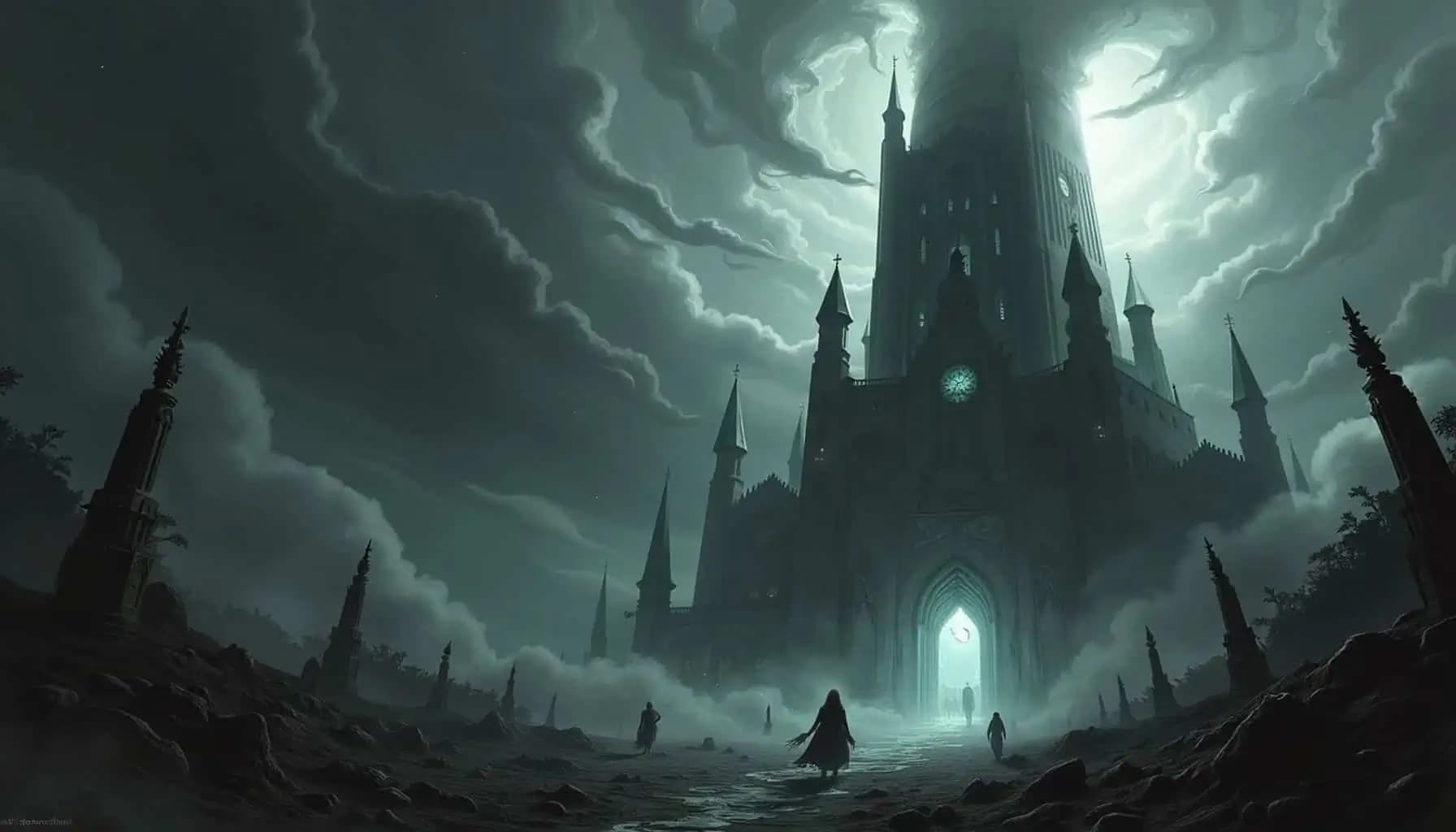

Zoroastrianism, one of the oldest organized faiths, dates back approximately 3,500 years to ancient Persia. Once the state religion of the Persian Empire, it has survived through centuries of change and persecution, continuing to influence major world religions today.
Key Takeaways
- Zoroastrianism is one of the oldest monotheistic religions.
- The religion emphasizes the eternal struggle between good and evil.
- Zoroastrian hell is depicted as a place of severe and specific punishments.
- The Book of Arda Viraf provides a detailed account of the afterlife in Zoroastrian belief.
The Historical Context of Zoroastrianism
Zoroastrianism flourished under the Persian Empire, founded by Cyrus the Great. This empire allowed for religious independence, which aligned with Zoroastrian principles. The religion’s core tenets, such as the law of Asher (truth and righteousness), spread along the Silk Road, influencing various cultures.
At its peak, Zoroastrianism shaped the beliefs of many, including concepts of a single God, judgment, heaven, and hell. The Avesta, a collection of sacred texts, is the primary source of Zoroastrian beliefs, detailing the teachings of the prophet Zoroaster.
The Nature of Good and Evil
Zoroastrianism teaches that humans are constantly faced with choices between good (Asher) and evil (Druj). The consequences of these choices lead to either heaven or hell. Truthfulness is a core value, while deceit, murder, and laziness are significant transgressions that can lead to dire consequences.
Zoroastrian Hell: A Diabolical Realm
Hell in Zoroastrianism is not a singular place but is divided into sections based on the nature of one’s sins. Here’s a brief overview of what one might encounter:
- Slanderers: A specific area for those who have lied.
- Murderers: A section dedicated to those who have taken lives.
- General Sinners: A vast pit of darkness for the most egregious offenders.
The imagery of hell is vivid and terrifying. It is described as a fiery abyss, filled with demons enforcing eternal torment. The chief devil, Ashma, plays a role in this dark landscape, though interpretations of his role vary.
The Book of Arda Viraf
To understand Zoroastrian hell, one must look at the Book of Arda Viraf. This text narrates the journey of a devout Zoroastrian, Viraf, who travels through the afterlife to prove the existence of heaven and hell. Written in Middle Persian, it offers a detailed account of the torments awaiting the wicked.
Key Elements of Viraf’s Journey:
- The Bridge of Judgment: Souls must cross this bridge, which determines their fate.
- Heavenly Realms: Those who lived moral lives, even outside Zoroastrianism, can find peace here.
- The Descent into Hell: Viraf’s experience in hell is extensive, revealing the horrors that await the damned.
The Torments of Hell
Viraf’s journey through hell is marked by elaborate and gruesome punishments:
- Souls drowning in a river of tears: This river symbolizes the grief of the living for the departed.
- Encounters with grotesque figures: Souls face manifestations of their evil deeds, such as a hideous woman representing their sins.
- Physical tortures: Various punishments include being consumed by demons, enduring extreme temperatures, and suffering from self-inflicted wounds.
The Moral Implications
The Book of Arda Viraf serves as a moral guide, emphasizing the importance of ethical conduct. It warns that failing to live righteously leads to horrific consequences in the afterlife. The text intertwines elements from various cultural beliefs, reflecting a timeless quest for spiritual understanding.
Conclusion
Zoroastrianism, with its rich history and complex beliefs, offers a unique perspective on morality, the afterlife, and the eternal struggle between good and evil. Its depiction of hell serves as a stark reminder of the consequences of one’s actions, urging followers to lead a life of truth and righteousness. The vivid imagery and detailed accounts in the Book of Arda Viraf continue to resonate, highlighting the enduring legacy of this ancient faith.