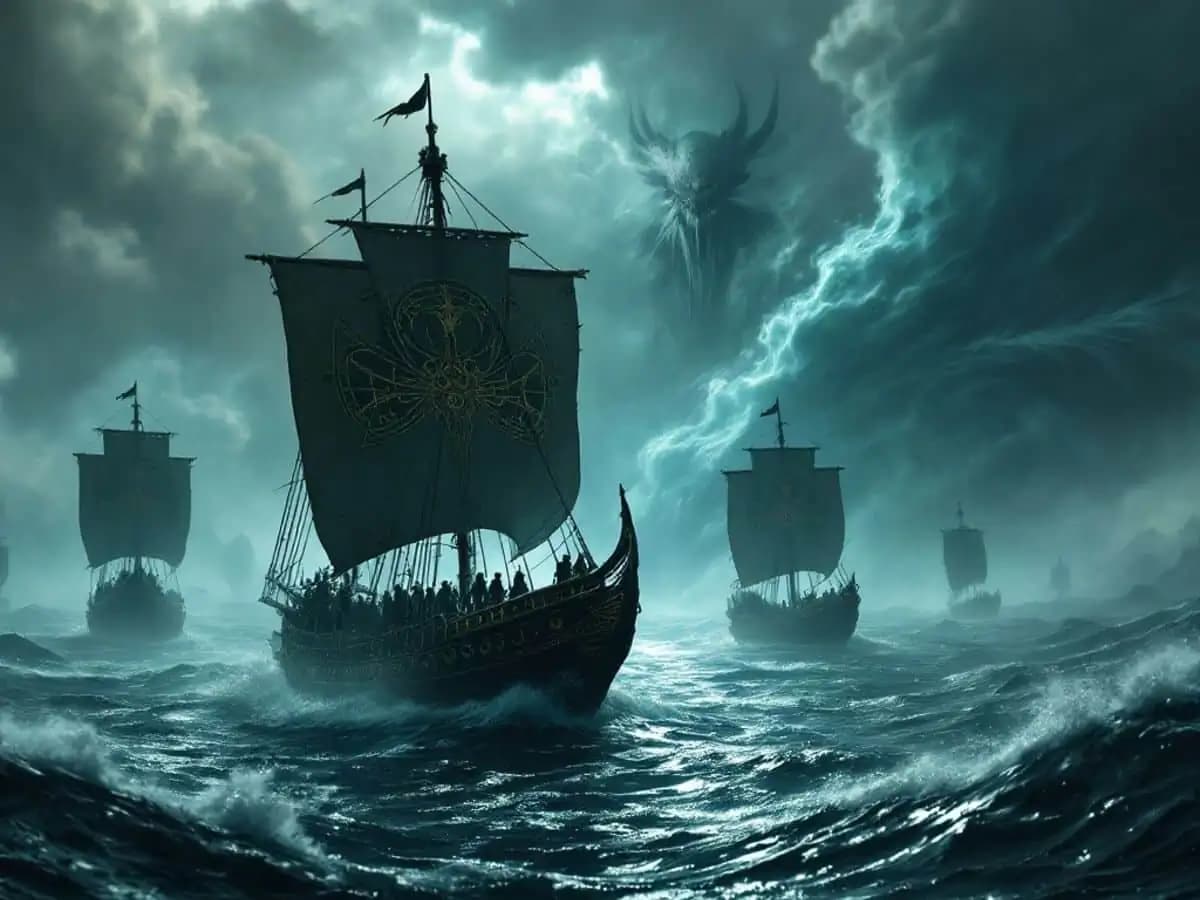

The relationship between the Phoenicians and the Anunnaki is enchanting and worth exploring. The Phoenicians, known for their remarkable seafaring and trading skills, have long captivated historians, while the Anunnaki, often associated with ancient myths and extraterrestrial theories, offer a fascinating perspective on our understanding of ancient civilizations. This connection presents an opportunity for deeper research and understanding of how these two groups may have influenced one another throughout history. In the video, we learn about the expansion of Phoenician culture and the introduction of the Anunnaki gods in each region.
Key Takeaways
- The Phoenicians were descendants of the Canaanites and adopted many deities from Babylon.
- Their gods were categorized into three branches: Earth, Water, and Air.
- The concept of polytheism was prevalent, with a notable emphasis on female deities alongside male gods.
- Phoenician religion was heavily influenced by Egyptian beliefs and practices.
- The Phoenicians played a significant role in spreading the worship of their gods across the Mediterranean.
The Phoenician Pantheon
The Phoenician gods were diverse and complex. They were often associated with natural elements, reflecting the environment in which the Phoenicians thrived. For instance, Melar had both celestial and marine aspects, showcasing the duality of their deities.
- Key Deities:
- El: A cardinal figure, often linked to the number seven, symbolizing awakening.
- Baal: A prominent god, often associated with storms and fertility.
- Ishtar: A goddess who represented love and war, often paired with male deities.
Influence of Babylonian Deities
The Phoenicians were not isolated in their beliefs. They adopted many deities from Babylon, integrating them into their own religious practices. This syncretism led to a rich tapestry of worship that included:
- Baal-Haman: Worshiped in Carthage, he was a significant figure in Phoenician religion.
- Tammuz: Associated with fertility and the cycle of life and death.
- Mok: A god linked to sacrifice, reflecting the darker aspects of their worship.
The Role of Female Deities
A unique characteristic of Phoenician religion was the consistent pairing of female deities with male gods. This practice highlighted the importance of femininity in their spiritual beliefs. Ishtar was particularly revered, embodying both nurturing and fierce qualities.
- Notable Female Deities:
- Astarte: Often equated with Ishtar, she was worshiped widely across the Mediterranean.
- Tanith: Honored in Carthage, she represented the moon and fertility.
Cultural Exchange and Trade
The Phoenicians were master traders, and their maritime prowess allowed them to spread their religious beliefs far and wide. They established colonies and trade routes that facilitated cultural exchange, particularly with:
- Egypt: Where they adopted various deities and practices.
- Greece: Introducing their gods and rituals, influencing Greek mythology.
- Cyprus: A significant hub for the worship of Ishtar and other deities.
The Anunnaki Connection
The Anunnaki, often linked to ancient Sumerian mythology, also played a role in the religious landscape of the Phoenicians. The term Anunnaki refers to a group of deities that were believed to descend from the sky, often associated with creation and the underworld.
- Key Aspects:
- The Anunnaki were seen as powerful beings who influenced human affairs.
- Their myths often intertwined with those of the Phoenician gods, creating a complex narrative of divine interaction.
Conclusion
The interplay between the Phoenicians and the Anunnaki reveals a rich tapestry of ancient beliefs and practices. The Phoenicians, with their extensive trade networks and cultural exchanges, played a crucial role in the dissemination of religious ideas. Their gods, influenced by Babylonian and Egyptian deities, reflect a society deeply connected to the natural world and the divine. Understanding this relationship not only enriches our knowledge of ancient civilizations but also highlights the enduring legacy of these fascinating cultures.