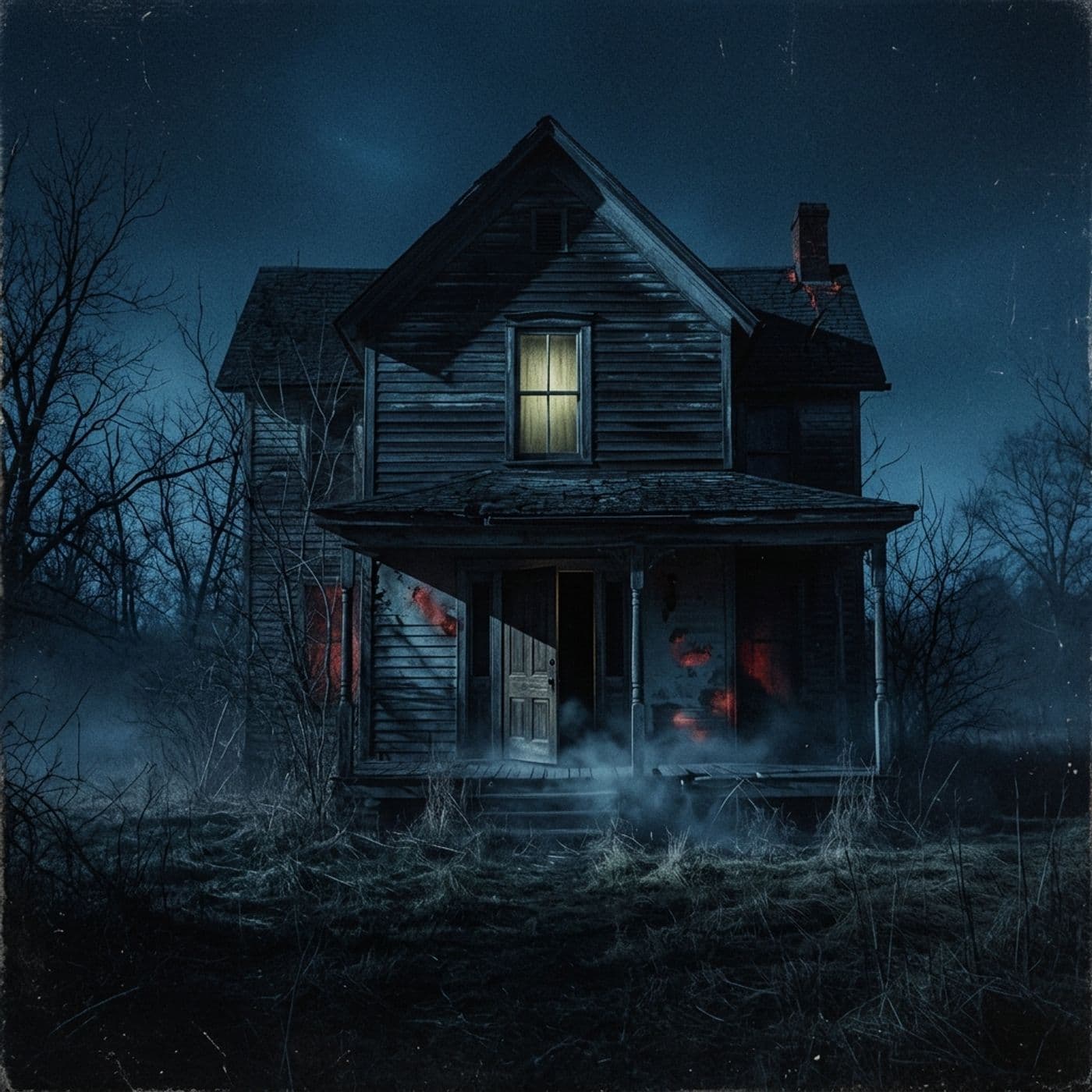
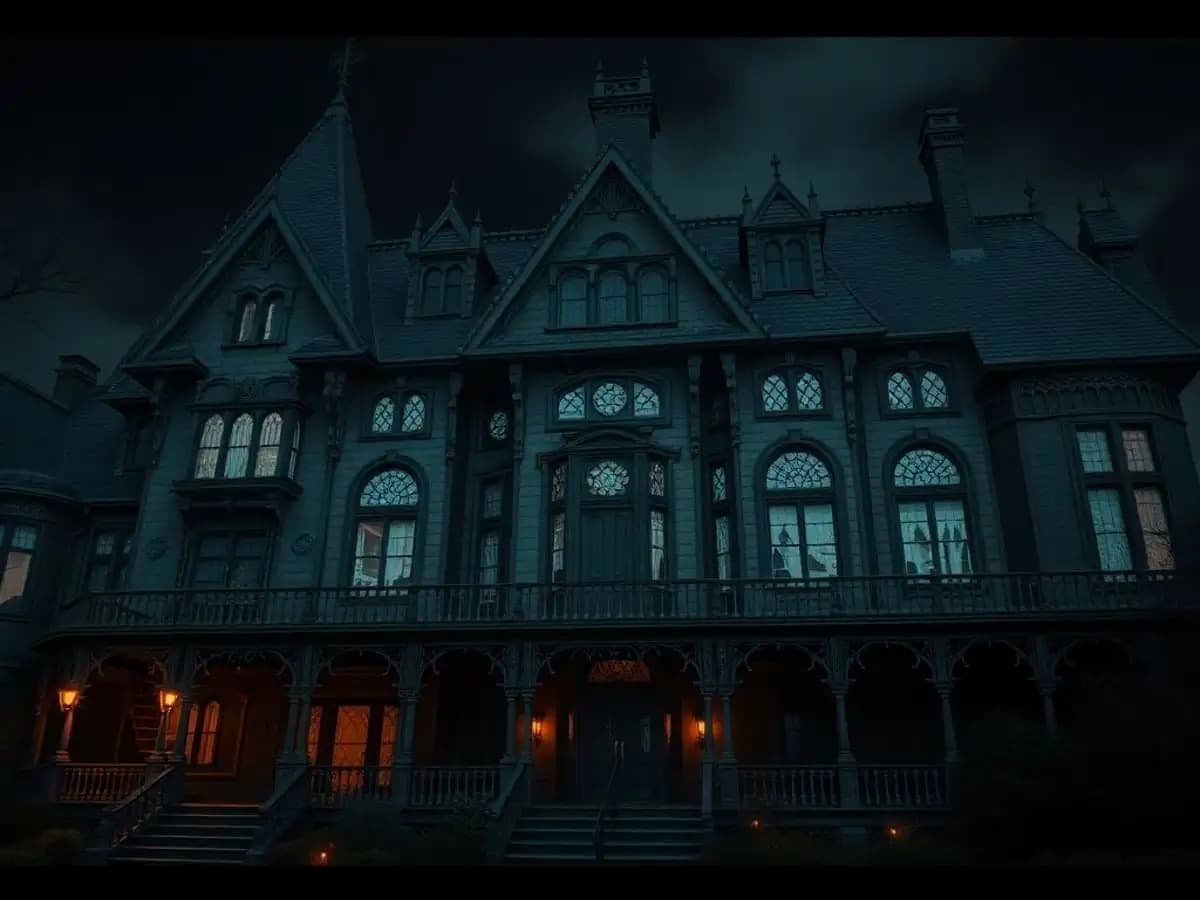

The Winchester Mystery House is a fascinating architectural marvel shrouded in mystery and legend. Built by Sarah Winchester, the widow of the rifle magnate William Wirt Winchester, this sprawling estate is often associated with ghost stories and supernatural lore. However, the true story of Sarah and her home is far more complex and intriguing than the myths that surround it.
Key Takeaways
- Sarah Winchester faced immense personal tragedy, influencing her architectural pursuits.
- The house’s design reflects Sarah’s evolving vision and her struggles with grief.
- Despite its haunted reputation, the house’s true history reveals a woman of compassion and creativity.
The Legend Of Sarah Winchester
The legend surrounding the Winchester Mystery House begins with Sarah Winchester, who was born in 1839 in New Haven, Connecticut. After marrying William Wirt Winchester in 1862, Sarah experienced profound loss, including the deaths of her child and husband. Following these tragedies, she sought the guidance of a psychic medium, who allegedly told her that she was haunted by the spirits of those killed by her husband’s firearms. This led to the belief that she must build a house to confuse these spirits.
A Labyrinthine Home
In 1884, Sarah moved to San Jose, California, purchasing a farmhouse that would become the Winchester Mystery House. She employed a team of carpenters to expand the home, creating a labyrinth of rooms, corridors, and staircases that often led to nowhere. This design was not merely for confusion; it was a reflection of Sarah’s grief and her desire to keep busy.
- Construction Features:
- Rooms: 160
- Doors: 2,000
- Windows: 10,000
- Fireplaces: 47
- Stairways: 40
- Bedrooms: 40
- Bathrooms: 13
- Kitchens: 6
- Elevators: 3
The Impact Of Tragedy
Sarah’s life was marked by continuous loss. After the death of her husband in 1881, she inherited a fortune and half of the Winchester Repeating Arms Company. This wealth allowed her to pursue her passion for architecture, but it was also a means of coping with her grief. The construction of the house became a therapeutic outlet for her, as she poured her emotions into its design.
Architectural Evolution
Sarah’s approach to building was unique. She did not follow a master plan; instead, she added rooms and features as she saw fit. This resulted in a home that was both beautiful and bewildering. The house included features like:
- Staircases that led to nowhere
- Doors that opened to walls
- Windows that faced into other rooms
These peculiarities were not just whimsical; they were a reflection of Sarah’s changing needs and desires as she aged and her health declined.
The Earthquake and Its Aftermath
In 1906, the San Francisco earthquake devastated the region, causing significant damage to the Winchester Mystery House. Sarah, then 67, chose not to rebuild but to repair the existing structure. This decision further contributed to the house’s confusing layout, as many features were sealed off or left incomplete.
A Life of Philanthropy
Despite her reclusive nature, Sarah Winchester was known for her generosity. She anonymously donated to various causes, including aid for those affected by the 1906 earthquake. Her contributions to the community were significant, yet she preferred to remain out of the spotlight.
The Legacy of Sarah Winchester
Sarah Winchester passed away in 1922, leaving behind a legacy that was both misunderstood and misrepresented. The house, once considered worthless, became a tourist attraction, drawing visitors intrigued by its haunted reputation. Today, the Winchester Mystery House stands as a testament to Sarah’s life—a complex woman who channeled her grief into a remarkable architectural achievement.
Conclusion
The story of the Winchester Mystery House is not just about ghosts and legends; it is about a woman’s resilience in the face of tragedy. Sarah Winchester’s life and her home reflect a journey of loss, creativity, and compassion. As we explore this architectural wonder, we uncover the untold story of a remarkable woman who defied the odds and left an indelible mark on history.