
Hidden beneath the sands of Abydos, the Osirion stands as a monumental enigma. This ancient structure, believed to be linked to the god Osiris, challenges our understanding of Egyptian engineering and architecture. With its advanced hydraulic systems and unique design, the Osirion raises questions about the capabilities of ancient civilizations.
Key Takeaways
- The Osirion’s architecture diverges from typical Egyptian temples.
- It predates the nearby Temple of Seti I, suggesting a much older significance.
- The structure features massive granite blocks, raising questions about transportation methods.
- Its subterranean layout and lack of hieroglyphs are highly unusual.
- The presence of water within the structure hints at advanced hydraulic technology.
The Architectural Mystery of the Osirion
The Osirion is unlike any other temple in ancient Egypt. While most temples follow a linear layout, the Osirion boasts a unique L-shaped configuration. This deviation from the norm prompts critical questions about its purpose. Was it built for a different function, or does it reflect the architectural style of an unknown civilization?
Adding to the intrigue, the Osirion is believed to predate the Temple of Seti I by centuries. This suggests that the site held significant importance long before Seti chose to build his temple beside it, almost as if he was honoring an ancient relic.
The Engineering Feat
The core of the Osirion is constructed from massive rose granite blocks, some weighing up to 100 tons. These stones were quarried from Aswan, over 200 miles away. Transporting and positioning such immense blocks in a desert location is a feat that seems impossible without advanced machinery. How did the ancient Egyptians achieve this?
The sophisticated double-layered roofing system and interlocking wedges indicate a level of engineering knowledge that surpasses what we typically associate with ancient Egypt. Working with granite requires advanced tools and skills that historical records suggest the Egyptians had not yet developed.
The Absence of Hieroglyphs
Another striking feature of the Osirion is its complete lack of Egyptian hieroglyphs or artwork. Unlike other temples, which are richly decorated, the Osirion remains eerily bare. Throughout Egypt’s history, temples were frequently renovated, with each generation adding new inscriptions. The absence of such features raises further questions about the structure’s origins and purpose.
Subterranean Layout and Water Mysteries
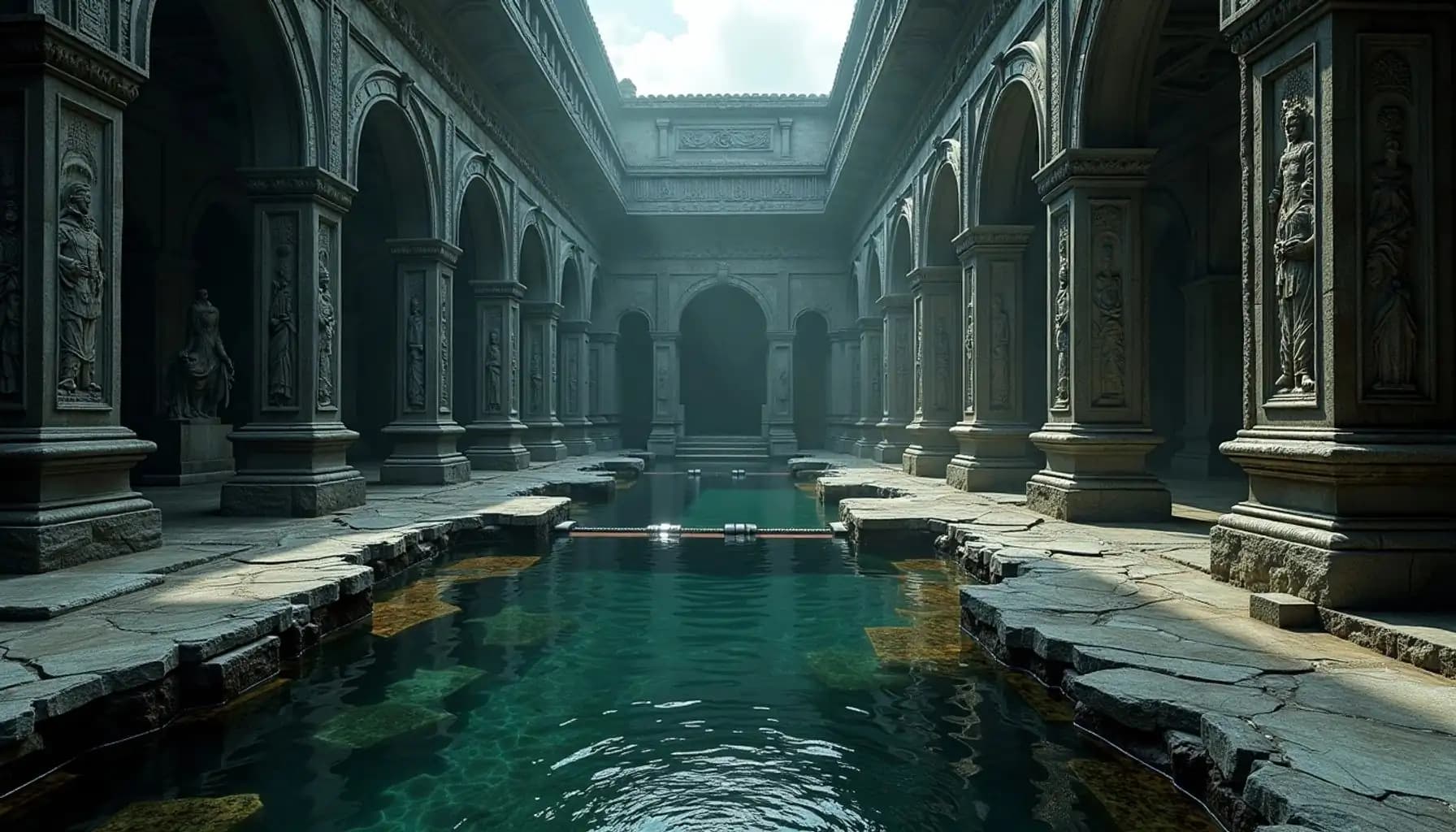
The Osirion lies 15 feet below ground level, a highly uncharacteristic feature for Egyptian temples. This suggests it could be far older than its surrounding counterparts. Water erosion patterns found on the limestone enclosure hint at a much wetter climate, possibly dating the structure back to the end of the last ice age.
Modern seismic technology has revealed that the visible portion of the Osirion is just the tip of the iceberg. Beneath the surface, there are hollow chambers that remain unexplored due to the constant presence of water. Despite multiple attempts, archaeologists have been unable to drain this water, which seems to replenish itself at an alarming rate.
Advanced Hydraulic Systems
The Osirion’s hydraulic system, which includes channels and basins, points to an advanced understanding of water management. This level of sophistication is not typically associated with ancient Egyptian technology. While they were known for irrigation, the techniques used in the Osirion are far more advanced.
James Westerman, a renowned archaeologist, has spent decades studying the Osirion. His attempts to pump out the water have been met with frustration, as the water level continues to rise. Westerman notes, “Water is emerging from inside the structure. This shouldn’t be happening, especially in the desert. Something strange is going on here.”
The Unique Properties of the Water
In 2023, Westerman’s team analyzed the water within the Osirion, discovering a unique chemical profile that differs from surrounding wells. This suggests that the water is being forced up through the structure, almost as if propelled by an unknown force. The water behaves more like that of a geyser, yet without the typical signs of volcanic activity.
Interestingly, Westerman found that the water is drinkable after filtration. He even experienced an extraordinary improvement in his eyesight after regularly consuming it, leading him to believe it possesses healing properties.
Conclusion: A Lost Chapter of Human History
As researchers continue to study the Osirion, its true scale and purpose remain elusive. The structure extends far beneath the surface, with hidden chambers still unexplored due to the constant flow of water. The Osirion may hold the key to understanding a lost chapter of human history, challenging everything we thought we knew about ancient civilizations.
If you found this exploration of the Osirion captivating, stay tuned for our next adventure, where we dive deeper into the mysteries of ancient Egypt. Discover the groundbreaking findings of Egyptologists as they unearth ancient tunnels and tombs that rewrite history.