
The Denisovans, a fascinating extinct human species, have captured the attention of researchers and enthusiasts alike. Discovered primarily through DNA analysis, they offer a unique glimpse into our evolutionary past. This article delves into what we know about these enigmatic beings, their tools, and their potential impact on human civilization.
Key Takeaways
- Denisovans were first identified through DNA, not fossils.
- They coexisted with Neanderthals and modern humans.
- Artifacts suggest advanced tool-making and possibly tailored clothing.
- Denisovans migrated across vast regions, influencing modern populations.
The Discovery of Denisovans
The Denisovans were first identified in the Denisova Cave in Siberia, Russia. This cave, rich in archaeological significance, was initially explored in the 1970s by Russian paleontologist Nikolai Ovodov. While searching for dog remains, he stumbled upon a treasure trove of ancient artifacts.
The cave has revealed 22 layers of sediment, dating back to 180,000 years ago. Among the findings were stone tools attributed to both Neanderthals and modern humans, indicating a complex interaction between these species.
Artifacts and Tools
Artifacts found in the Denisova Cave include:
- Stone Tools: Mustan and Leval style tools, showcasing advanced craftsmanship.
- Decorative Objects: Items made from bone, mammoth tusk, and ostrich shells, indicating a sophisticated culture.
- Bone Needle: Dated to be 50,000 years old, possibly the oldest known needle.
These discoveries suggest that Denisovans were not just primitive beings but had developed a level of sophistication in their daily lives.
Genetic Insights
In 2008, a significant breakthrough occurred when a finger bone belonging to a teenage female Denisovan was discovered. DNA analysis revealed that this individual lived between 50,000 and 30,000 years ago. This marked the first evidence of a previously unknown human species.
Researchers have identified six distinct Denisovan individuals through DNA analysis, including:
- Denisova 2: An adolescent female, the first Denisovan fossil discovered in 1984.
- Denny: A hybrid between a Neanderthal mother and a Denisovan father, showcasing interbreeding between species.
- Denisova 11: Another significant find, providing insights into Denisovan genetics.
Migration Patterns
Denisovans were not confined to Siberia. Evidence suggests they migrated across Western Eurasia, East Asia, New Guinea, and Oceania. Modern populations in these regions carry up to 5% Denisovan DNA, with the highest percentages found in Indigenous groups in Australia and the Philippines.
Interestingly, Icelandic people are the only Europeans known to carry Denisovan DNA, suggesting a unique migration history.
Physical Appearance
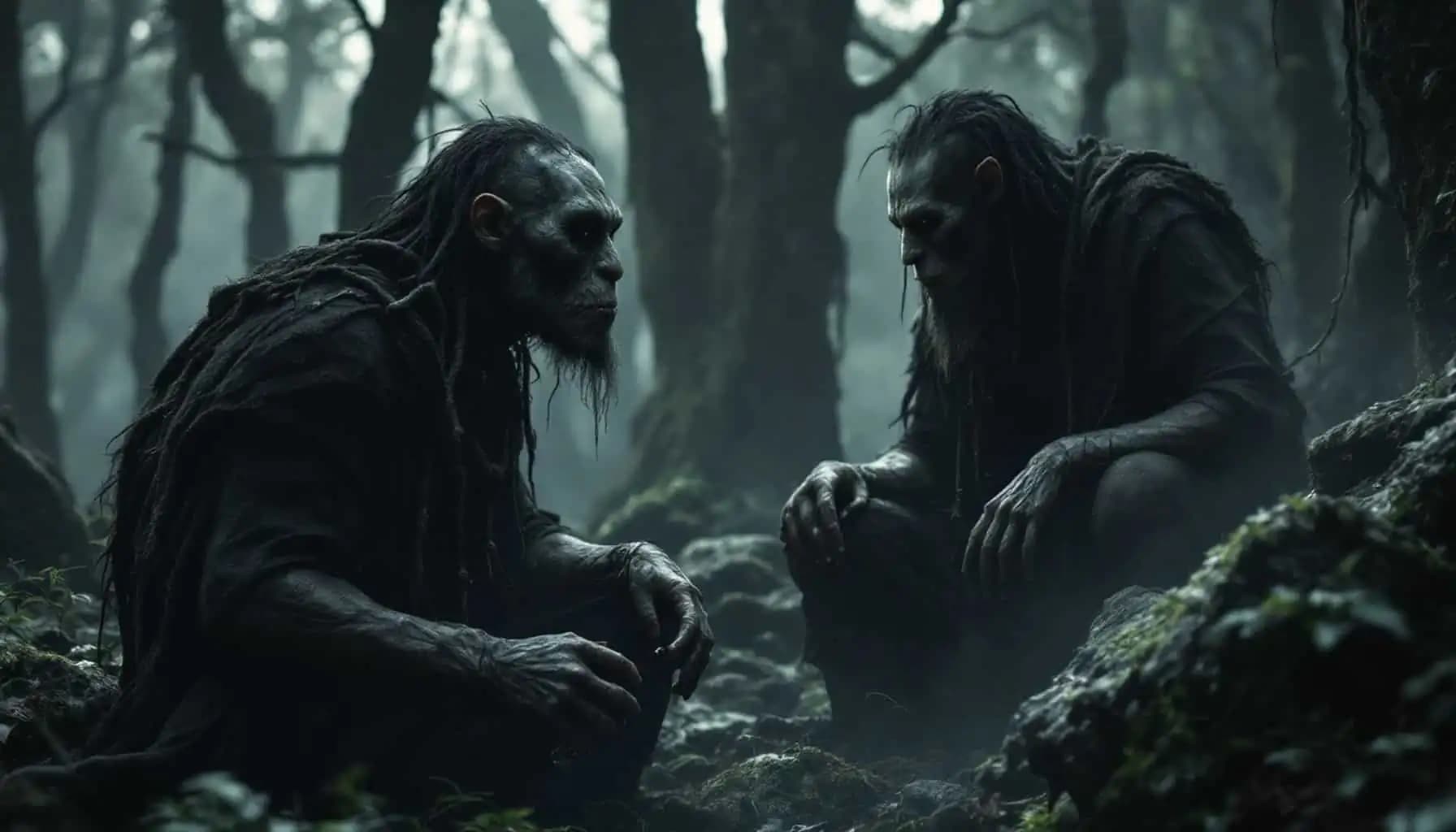
While much about the Denisovans remains a mystery, some insights can be drawn from their remains. The few fossils discovered suggest they were similar in size to Neanderthals, challenging the notion that they were a race of giants. Reconstructions indicate they likely resembled Neanderthals more than modern humans.
Cultural Myths and Misconceptions
Despite the scientific evidence, myths about the Denisovans persist. Some claim they were a race of giants with advanced technology. However, there is no credible evidence to support these assertions. The Denisovans were a distinct species, closely related to Neanderthals, and their contributions to human evolution are still being explored.
Conclusion
The Denisovans represent a crucial piece of the puzzle in understanding human evolution. Their advanced tools, genetic legacy, and migration patterns highlight the complexity of our ancestral history. As research continues, we may uncover even more about these enigmatic beings and their role in shaping the human story.
Join the conversation about the Denisovans and share your thoughts in the comments below!