A creepy mansion video that spread as a supposedly haunted house in the Philippines has been debunked, with reporting tracing the location back to an abandoned Victorian property in Detroit. That alone would make it a…
Art Grindstone is the hard-nosed storyteller behind Unexplained.co, a veteran investigator whose life’s work sits at the crossroads of the paranormal, fringe science, and the shadows most people try not to look into. With decades spent chasing impossible stories — black-budget psychic programs, vanished Cold War experiments, desert rituals that sparked UFO waves, and the strange phenomena buried in America’s forgotten backroads — Art brings a rare combination of skepticism, awe, and journalistic precision. He’s not here to debunk. He’s not here to blindly believe. He follows the evidence wherever it leads — even when it leads someplace deeply uncomfortable. Known for his immersive, cinematic style and his ability to turn obscure research into gripping narrative, Art has built a devoted following across podcasts, long-form features, documentaries, and serialized investigations. His interviews are direct. His analysis is unflinching. His voice has become a staple in the modern paranormal renaissance — the guy people turn to when a story is too strange, too complex, or too dangerous for anyone else to touch. Off-mic, Art works with a distributed network of researchers, archivists, and field operatives who help surface the stories mainstream media ignores. On-mic, he transforms their findings into meticulous, high-impact reporting that refuses to insult the intelligence of true believers. His philosophy is simple: Take the phenomenon seriously. Treat the audience with respect. Tell the story as if the world depends on it — because sometimes it does. When Art Grindstone digs into a case, he isn’t just chasing a mystery. He’s tracing the fault lines of reality itself.
4 min · 916 words
In This Report(11)
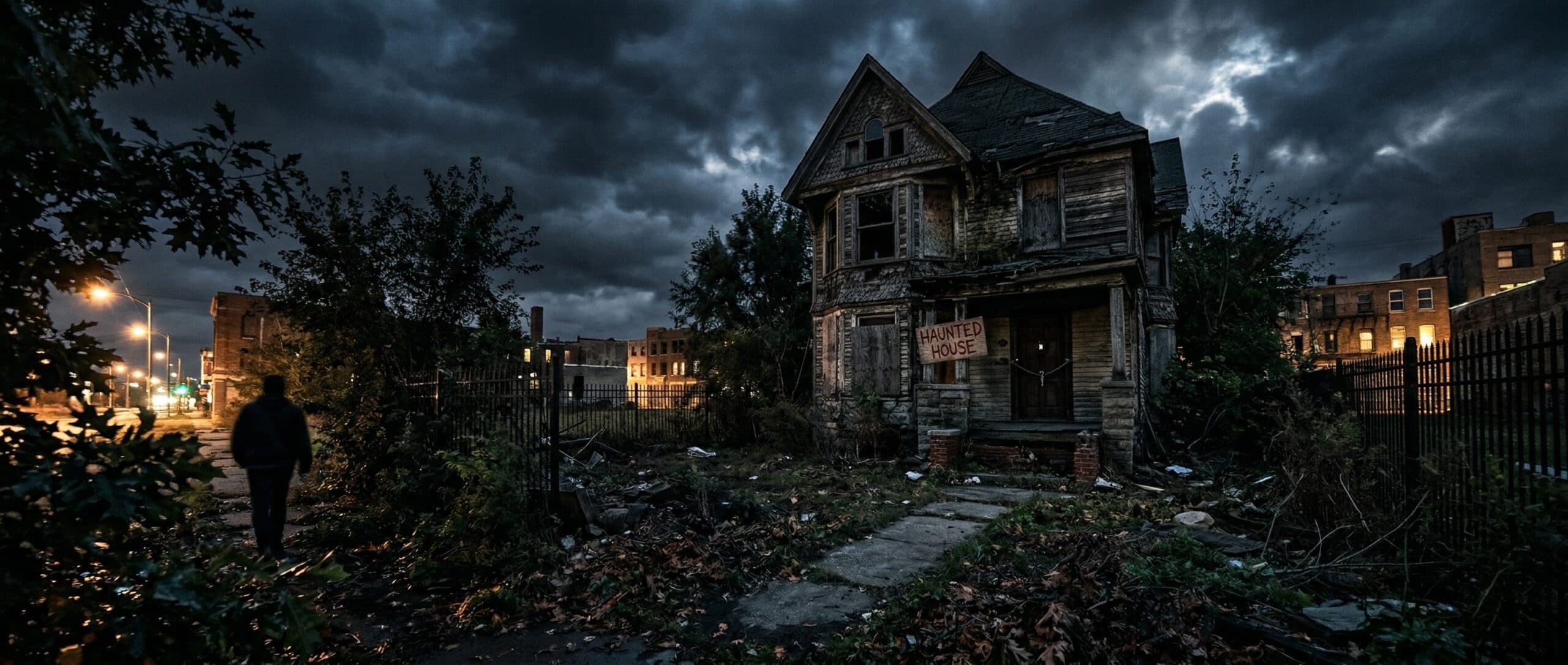
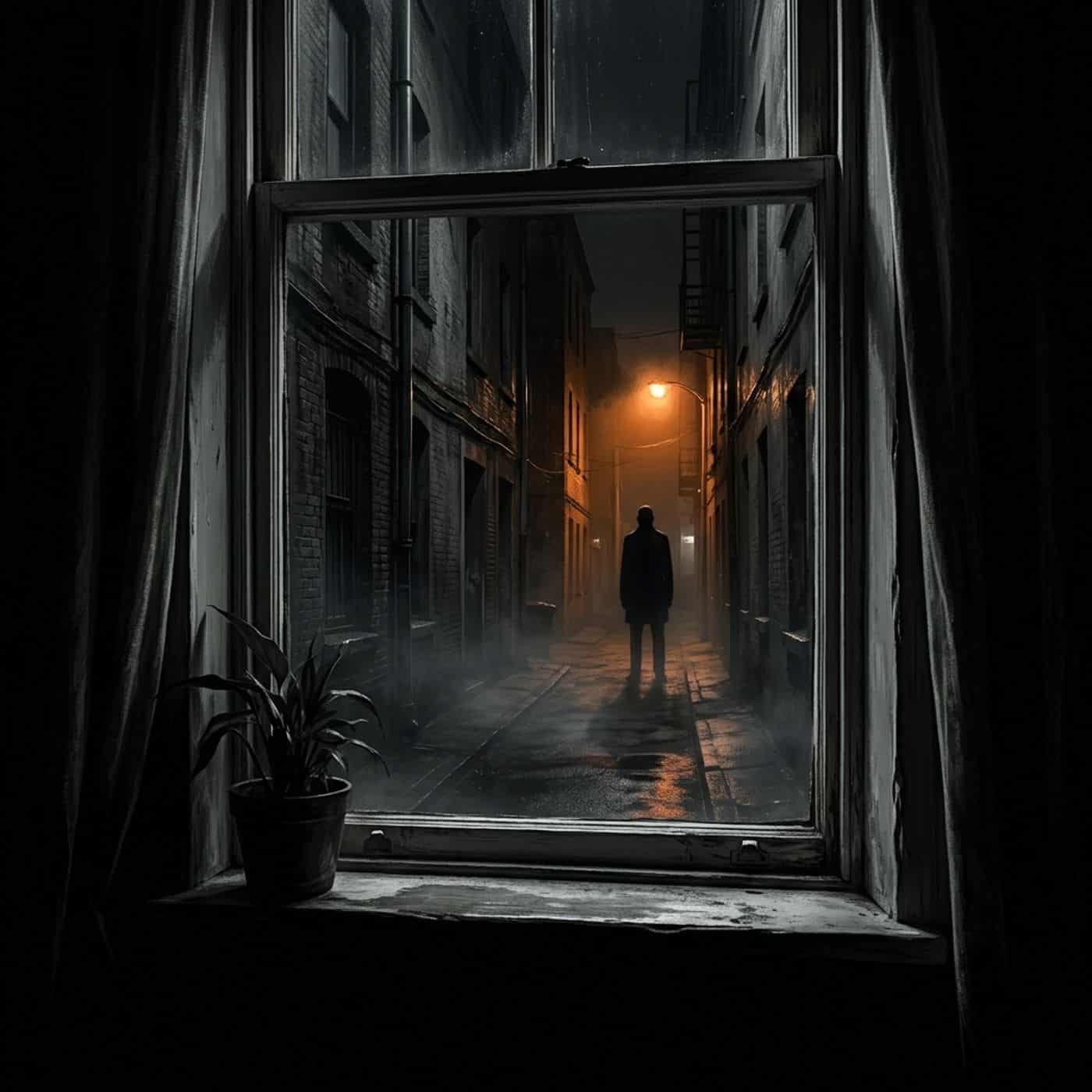
A creepy mansion video that spread as a supposedly haunted house in the Philippines has been debunked, with reporting tracing the location back to an abandoned Victorian property in Detroit. That alone would make it a basic fact-check story—but the more interesting unexplained angle is how quickly a piece of eerie architecture became a paranormal legend once it was stripped of context, re-captioned, and enhanced for atmosphere. According to LatestLY fact check, this story is drawing attention well beyond its original niche.
This is a very 2026 paranormal trend story: a visual object, ambiguous provenance, AI-enhanced edits, local rumor, viral reposting, and then a debunk that arrives after the myth has already done its cultural work.
What Happened
The haunting wasn’t in the house. It was in the feed. Reporting from Mumbaiker recap adds context to how the story is being framed.
Advertisement
Social platforms were flooded with short videos showing a dark, decaying mansion framed as a haunted site in the Philippines.
The clips often used dramatic audio, heavy color grading, and in some cases what viewers suspected were AI-enhanced visual edits.
LatestLY reported that the house was traced instead to Detroit, Michigan, not the Philippines.
According to the fact-check framing, the building had no verified record of gruesome crimes or established paranormal incidents matching the viral captions.
Search interest exploded around terms like “haunted house viral video,” “full video,” and location-based variations, showing how rumor-driven discovery now works.
What Evidence Exists
Here’s what is known: A creepy mansion video that spread as a supposedly haunted house in the Philippines has been debunked, with reporting tracing the location back to an abandoned Victorian property in Detroit. That alone would make it a basic fact-check story—but the more interesting unexplained angle is how quickly a piece of eerie architecture became a paranormal legend once it was stripped of context, re-captioned, and enhanced for atmosphere.
The strongest evidence in stories like this is often not a final proof object, but a mixture of witness accounts, media framing, prior folklore, and the cultural weight of the subject itself. That is why separating verified facts from interpretation matters.
The Ghost Village of Lübbey: Why a Forgotten Turkish Settlement Keeps Returning in Strangeness Feeds
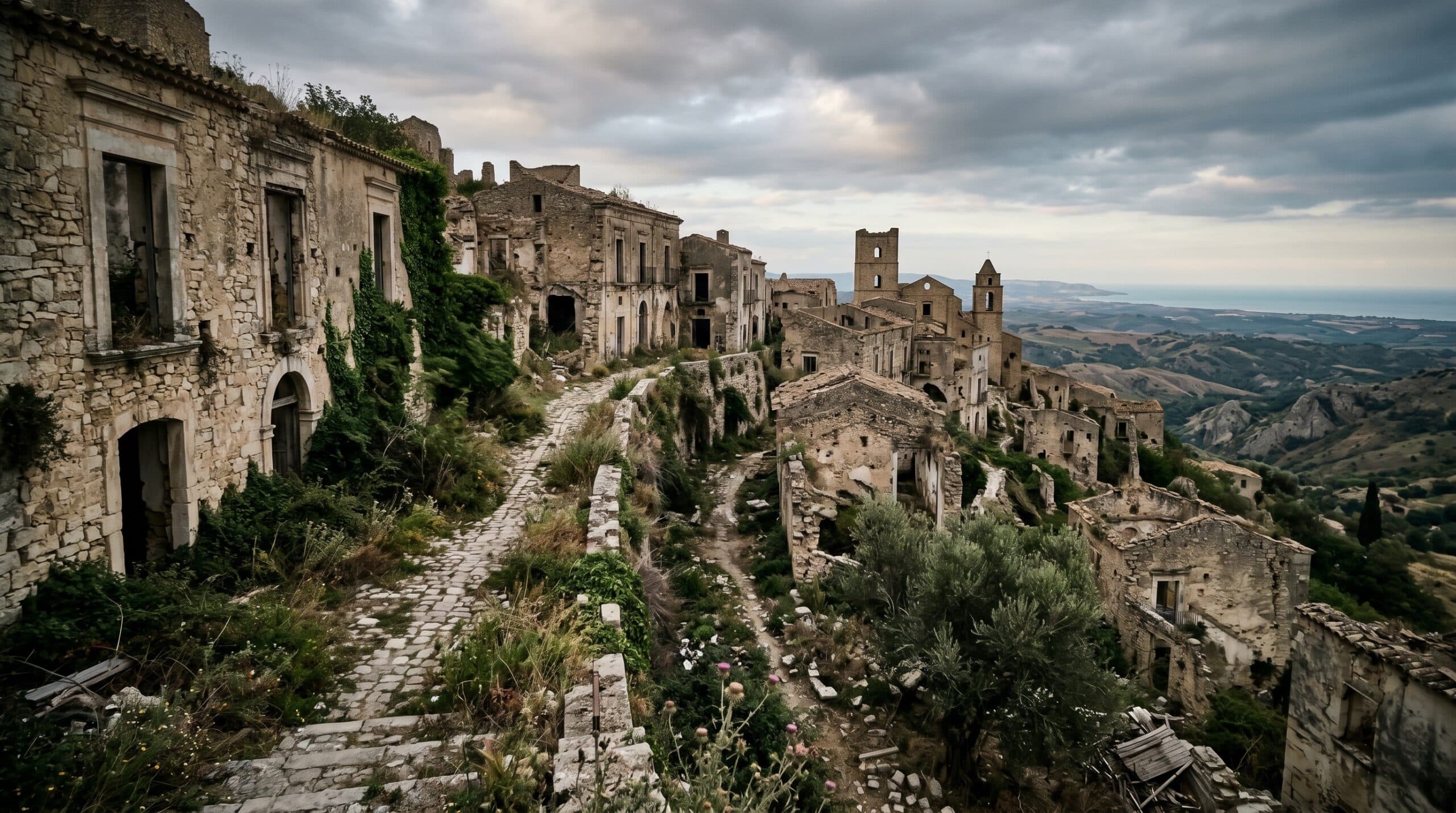
The village of Lübbey in Turkey was abandoned and left largely untouched — not by war, not by natural disaster, but by quiet departure. For people drawn to abandoned places, it has become a fixation.
May 12, 2026 • 5 min read
Conspiracy Theories
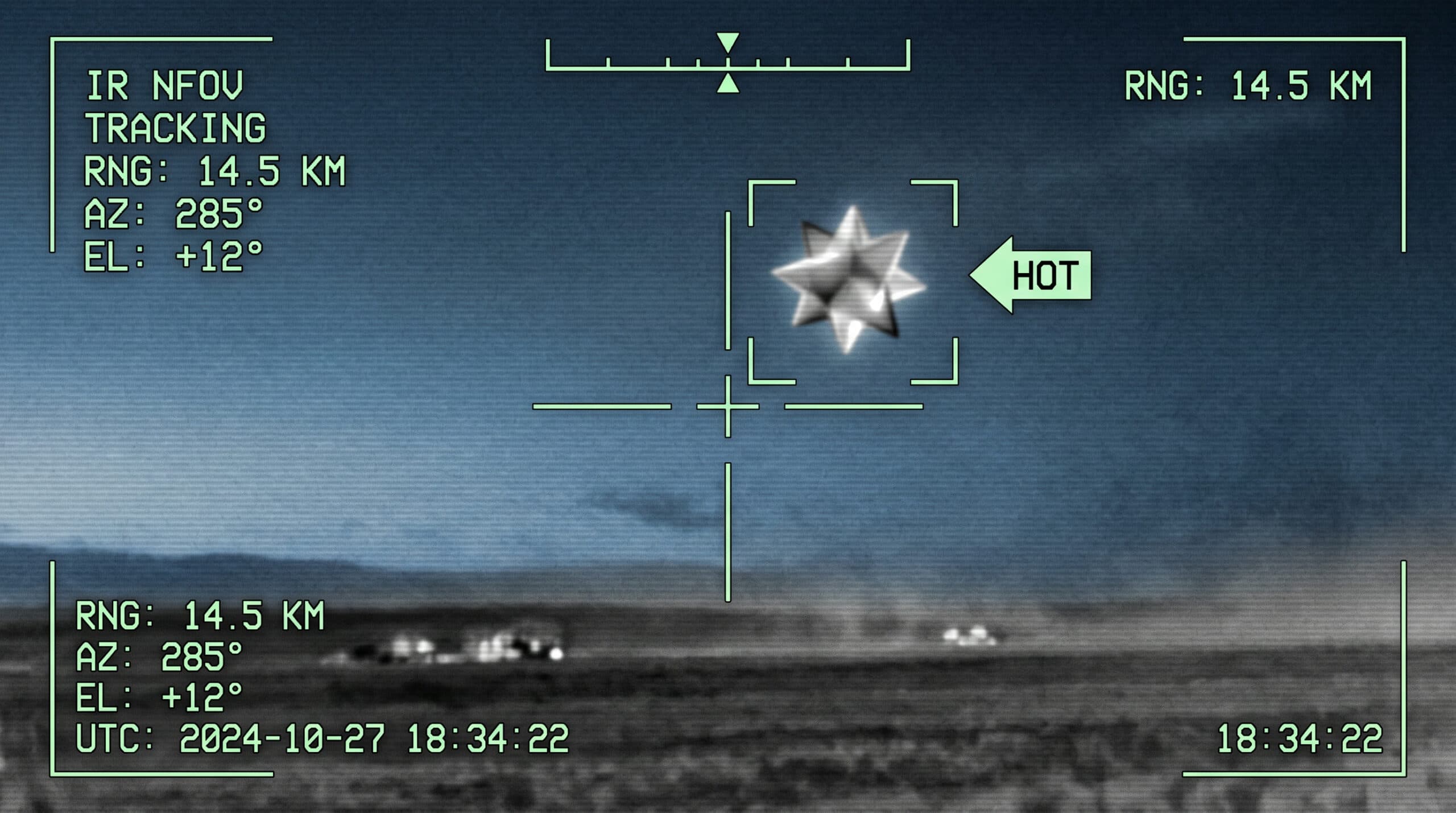
Ukrainian Defense Ministry Advisor Posts Star-Shaped UAP Video — and the Close-Ups Look Nothing Like a Drone
Serhii ‘Flash’ Beskrestnov released footage of a structured, star-shaped craft over Ukraine that has UFO researchers examining every frame for proof.
May 14, 2026 • 6 min read
Conspiracy Theories
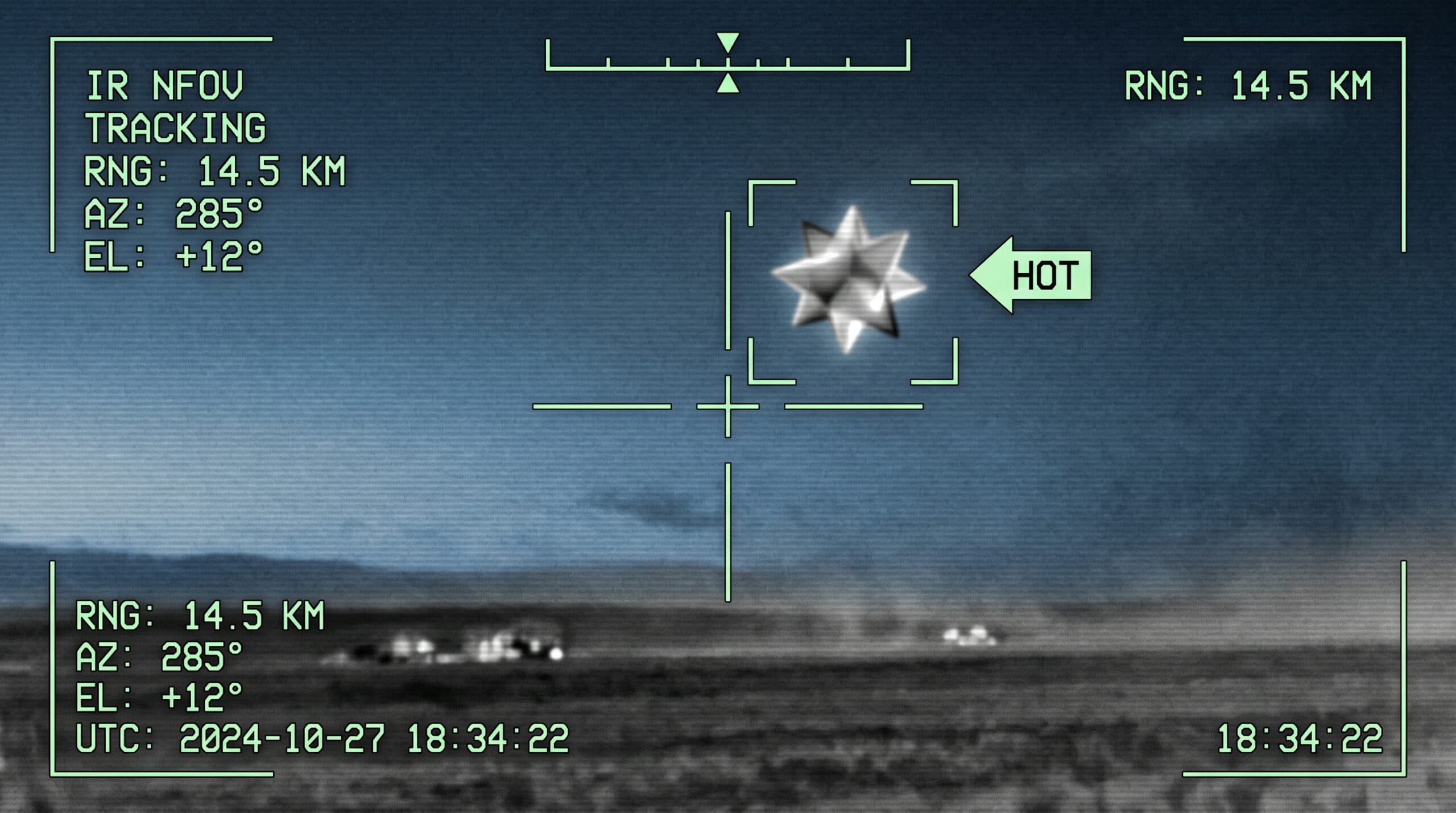
Ukrainian Defense Ministry Advisor Posts Star-Shaped UAP Video — and the Close-Ups Look Nothing Like a Drone
Serhii ‘Flash’ Beskrestnov released footage of a structured, star-shaped craft over Ukraine that has UFO researchers examining every frame for proof.
May 13, 2026 • 6 min read
Authoritative coverage and primary reporting should stay central to the analysis, including sources such as:
Researchers and skeptics have argued that unexplained stories often grow fastest when the emotional framing is stronger than the evidentiary record. That does not mean the story is meaningless. It means the burden of proof and the burden of interpretation are not the same thing.
The most widely cited explanation is usually the least exotic one that still fits the known facts. But unresolved cases persist because the simplest explanation does not always feel emotionally complete to the audience following them.
Why It Matters
AI and editing tools are supercharging paranormal folklore
Even when a clip is not fully AI-generated, enhancement tools can deepen shadows, smooth motion, and make ordinary decay feel uncanny.
Local tagging creates instant ownership of a mystery
By attaching the house to a specific country or region, creators trigger emotional investment and rapid resharing among local audiences.
The architecture itself does half the storytelling
A neglected Victorian mansion already carries cinematic haunted-house coding, so people fill in the rest.
Hoax stories can outperform genuine paranormal claims
Because they are optimized for virality rather than evidence, fake hauntings can spread farther than authentic eyewitness accounts ever do.
This is a strong meta-story about the future of paranormal media
The next generation of ghost stories may be born less from experiences in haunted places and more from algorithmic remix culture.
Advertisement
The Bigger Unexplained Angle
What gives this topic staying power is not just the headline claim, but the way it plugs into deeper themes: secrecy, folklore, institutional mistrust, symbolic fear, wonder, and the human tendency to keep revisiting mysteries that never fully resolve.
That is exactly why the unexplained-wordpress standard requires more than a quick summary. Strong articles need context, internal discovery, authoritative links, explicit uncertainty, and sections that can stand on their own for readers and AI systems alike.
A creepy mansion video that spread as a supposedly haunted house in the Philippines has been debunked, with reporting tracing the location back to an abandoned Victorian property in Detroit. That alone would make it a basic fact-check story—but the more interesting unexplained angle is how quickly a piece of eerie architecture became a paranormal legend once it was stripped of context, re-captioned, and enhanced for atmosphere.
Why is this getting attention now?
Even when a clip is not fully AI-generated, enhancement tools can deepen shadows, smooth motion, and make ordinary decay feel uncanny.
Is Viral Haunted House Detroit Hoax proven?
No. These articles are written to separate what is verified, what is claimed, and what remains uncertain. Mystery does not automatically equal proof.
What should readers focus on?
Focus on the evidence, the source quality, the skeptical or conventional explanations, and why the story still resonates even when certainty is missing.
Art Grindstone is the hard-nosed storyteller behind Unexplained.co, a veteran investigator whose life’s work sits at the crossroads of the paranormal, fringe science, and the shadows most people try not to look into. With decades spent chasing impossible stories — black-budget psychic programs, vanished Cold War experiments, desert rituals that sparked UFO waves, and the strange phenomena buried in America’s forgotten backroads — Art brings a rare combination of skepticism, awe, and journalistic precision. He’s not here to debunk. He’s not here to blindly believe. He follows the evidence wherever it leads — even when it leads someplace deeply uncomfortable. Known for his immersive, cinematic style and his ability to turn obscure research into gripping narrative, Art has built a devoted following across podcasts, long-form features, documentaries, and serialized investigations. His interviews are direct. His analysis is unflinching. His voice has become a staple in the modern paranormal renaissance — the guy people turn to when a story is too strange, too complex, or too dangerous for anyone else to touch. Off-mic, Art works with a distributed network of researchers, archivists, and field operatives who help surface the stories mainstream media ignores. On-mic, he transforms their findings into meticulous, high-impact reporting that refuses to insult the intelligence of true believers. His philosophy is simple: Take the phenomenon seriously. Treat the audience with respect. Tell the story as if the world depends on it — because sometimes it does. When Art Grindstone digs into a case, he isn’t just chasing a mystery. He’s tracing the fault lines of reality itself.