
In recent discussions surrounding ancient architecture, a viral photo has sparked curiosity and confusion about a pyramid in Egypt. Many have speculated wildly about its condition, leading to a mix of theories that range from the plausible to the downright absurd. Let’s dive into the truth behind this intriguing subject.
Key Takeaways
- The pyramid in question is the Pyramid of Senusret II, not a burned structure.
- Misinterpretations stem from artificially enhanced images.
- The pyramid’s dark appearance is due to weathered mud bricks, not fire or melting.
- The construction techniques used were advanced for their time, utilizing local materials effectively.
The Viral Photo
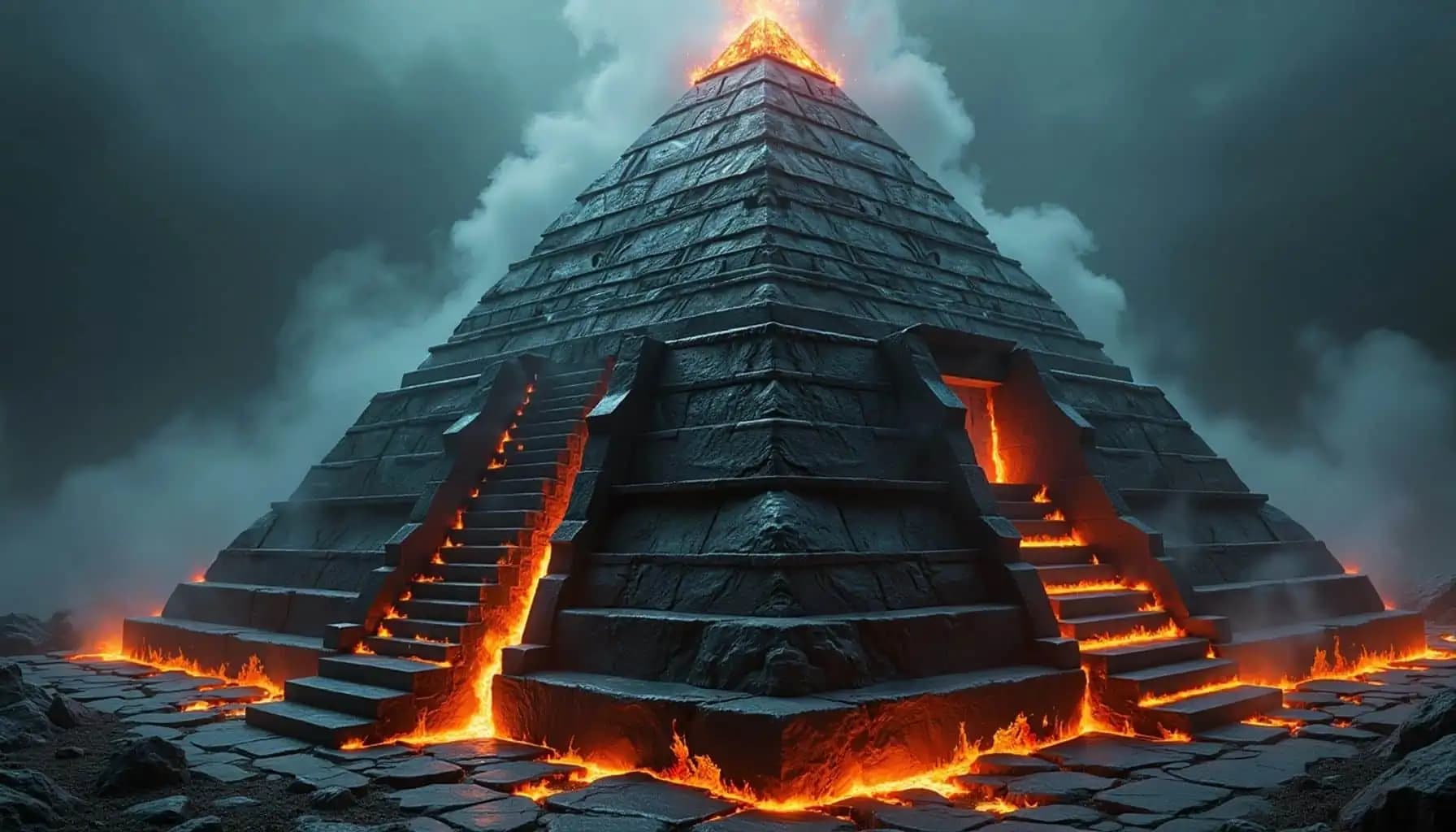
The image circulating on social media depicts a pyramid that appears to be burned and melted. This has led to various theories, including claims of solar flares, nuclear explosions, and even ancient trees disguised as pyramids. But what’s the reality?
The Pyramid of Senusret II
The structure in question is the Pyramid of Senusret II, located at El Lahun in Egypt. Built during the 12th Dynasty (around 1897-1878 BC), it was originally known as Cers Red Shines. The name reflects its intended appearance, which has drastically changed over the millennia.
Misleading Imagery
The viral photo has been artificially enhanced, leading to misconceptions about the pyramid’s condition. The top appears darker than the surrounding rubble, but this is due to the decayed mud bricks that make up the pyramid’s core. In reality, the structure has not been burned or melted.
Construction Techniques
The pyramid was built on a natural limestone mound, which was shaped before construction began. Here’s a brief overview of the construction process:
- Foundation: Large limestone cross walls were built onto a platform.
- Core Material: Gaps between the walls were filled with mud bricks made from a mixture of earth and straw.
- Casing: Originally, the pyramid was cased with fine limestone, giving it a smooth appearance.
The Damage Over Time
The outer casing stones were scavenged during the 19th Dynasty, exposing the softer mud bricks to the elements. This exposure has led to the dilapidated appearance we see today. The erosion and decay of the mud bricks contribute to the darker color at the top of the pyramid.
Theories and Speculations
The internet is rife with wild theories about the pyramid’s condition. Here are some of the more outlandish claims:
- Solar Flares: Some believe a solar flare caused the damage, but this is scientifically implausible.
- Power Plant Meltdown: The idea that the pyramids were ancient power plants is a stretch, given the materials used.
- Nuclear Bomb: Claims of a nuclear explosion are equally unfounded, as they would have left more widespread damage.
- Comet Strikes: While interesting, there’s no evidence to support this theory.
The Real Mysteries of the Pyramid
Despite the misconceptions, the Pyramid of Senusret II is a fascinating structure with its own set of mysteries. The granite sarcophagus found within is a marvel of ancient engineering, showcasing remarkable precision. However, it raises questions:
- Was it ever used for a burial?
- Why is there no evidence of a lid?
Conclusion
The Pyramid of Senusret II is not a burned or melted structure but rather a testament to ancient Egyptian engineering. Its current state is a result of natural decay and the removal of its protective casing. While the allure of ancient mysteries captivates many, it’s essential to distinguish between fact and fiction. The real stories of ancient Egypt are rich and complex, and they deserve our attention without the distraction of unfounded theories.
Thank you for exploring this fascinating topic with us!