
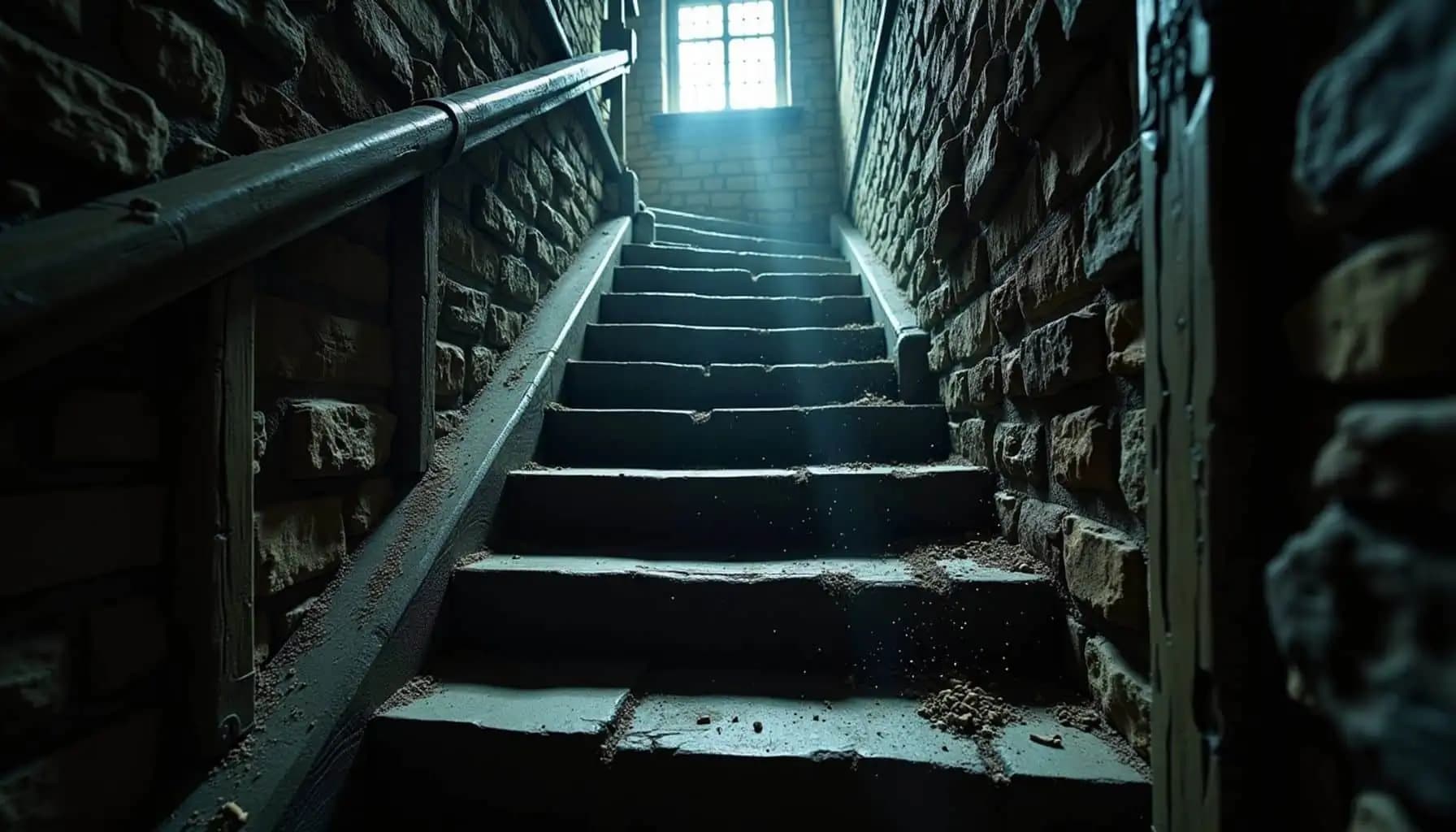

When workers in the Silwan neighborhood near Jerusalem responded to a routine call to repair a sewage pipe, they stumbled upon a hidden staircase beneath a potato field. This unexpected discovery led archaeologists to uncover findings that could potentially rewrite history.
Key Takeaways
- A routine sewage repair led to the discovery of ancient stone steps.
- The site is linked to significant historical and religious events.
- The excavation reveals connections to the Pool of Siloam and the Temple of Solomon.
The Discovery
A small group of utility workers was on their way to fix a sewage leak in Silwan. As they began digging, one worker’s shovel struck something hard beneath the earth. This prompted an immediate halt to the work and a call for archaeologists.
In a city rich with history, each new find is a thrilling adventure. Silwan is known for its necropolis, dating back 2,800 years, showcasing a blend of Israelite and Phoenician features. However, modern residents have built their homes atop these ancient graves, often compromising their integrity.
Historical Context
The area has long been a point of interest for archaeologists. In 1968, significant studies were conducted, but many sites remained unexplored. When archaeologist Eli Shukron arrived at the potato field, he sensed the importance of what lay beneath.
As he cleared away the sand, he uncovered a staircase leading somewhere significant. This was not just any staircase; it was connected to a historical narrative that could change our understanding of the past.
The Pool of Siloam
The Jerusalem Talmud mentions a lower pool where pilgrims would wash before heading to the Temple. This pool was essential for rituals and gatherings, especially during religious festivals. The discovery of the steps led Shukron to believe they were part of the Pool of Siloam, a site of great significance.
The pool was constructed during King Hezekiah’s reign to ensure a water supply during sieges. It was later associated with Jesus, who performed miracles there, making it a focal point for both Jewish and Christian traditions.
Archaeological Significance
The excavation process is meticulous. Each layer of history must be documented to preserve information. After months of hard work, the team revealed that the pool was 225 feet wide, much larger than previously thought, indicating its importance in ancient Jerusalem.
Artifacts like coins and pottery found along the Pilgrim’s Road provide a glimpse into the lives of those who frequented the Temple. This area was central to the community’s religious practices and celebrations.
A Connection to the Past
The steps lead to a deeper understanding of Jerusalem’s history. They connect to the Temple Mount, a site of immense religious significance. The Temple Mount has been a focal point for centuries, housing the original Temple of Solomon and later renovations by King Herod.
The discovery of the Pool of Siloam and its connection to Jesus’s miracles adds layers to the historical narrative. It highlights the importance of this site for both Jews and Christians, serving as a reminder of shared heritage.
Future Discoveries
As excavations continue, the potential for further discoveries remains high. The beautifully preserved stone steps could one day allow visitors to walk in the footsteps of history, connecting them to the sacred past.
These archaeological sites represent a rich cultural heritage, reminding us of the unity and spirit of community that once thrived in Jerusalem. Rather than conflict over ownership, these discoveries encourage a shared appreciation of history.
What ruins from the past do you wish to visit? Share your thoughts in the comments!