
Before the Netflix true-crime era, Adolfo Constanzo became a legend on both sides of the border—a conjurer, a cult kingpin, and the architect of shocking drug war atrocities in Mexico’s history. Known as “El Padrino” (“The Godfather”) to his followers, Constanzo led a powerful narco-satanist cult that combined cartel violence with a belief in black magic and human sacrifice. The result was a terrifying storm that still unsettles seasoned investigators.
Born in Miami to a Cuban exile, Constanzo grew up in a household blending Catholic ritual with Vodou and folk magic. He served Mass as an altar boy while apprenticing with local sorcerers and exploring the infamous African diaspora faith of Palo Mayombe. Soon, he migrated to Mexico City, where his talents for spiritual manipulation—bolstered by animal sacrifices, secretive graveyard rituals, and a chilling ability to charm the wealthy—connected him with Mexico’s most ruthless drug traffickers. His most trusted lieutenant, Sara Aldrete, became known as the cult’s “Godmother.” (Wikipedia)
Sorcery, Cartels, and the Rise of the “Godfather”
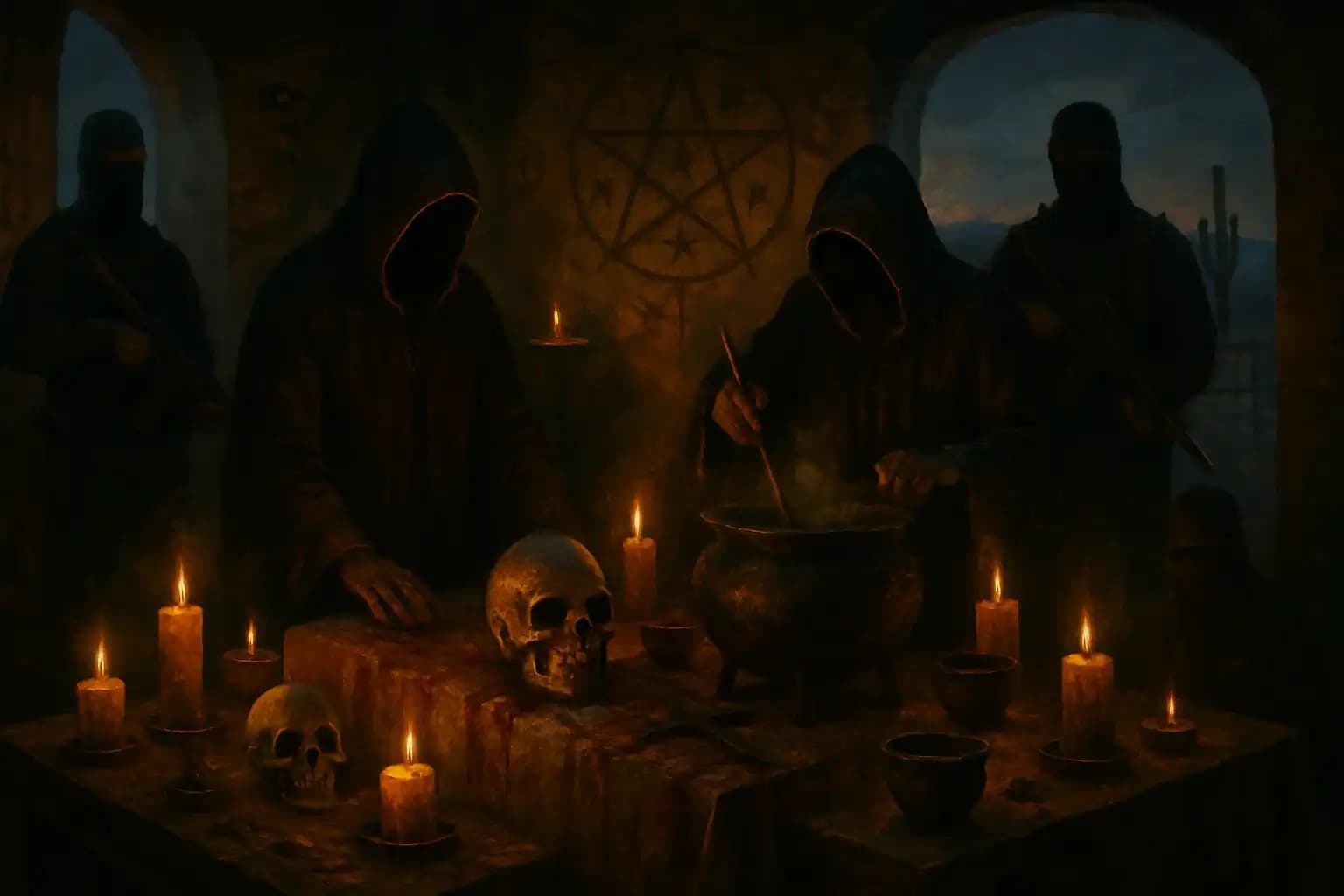
Constanzo’s early years mixed heartbreak with dark mentorship. After landing in Puerto Rico and later Miami, he absorbed a potent mix of Catholic iconography and occult spirituality—a blend that attracted Mexico’s crime lords. By adulthood, Constanzo ran a lucrative business offering “magical services” to the ultra-wealthy, promising protection, luck, and invincibility through ritual sacrifice. Animals were slaughtered for these ceremonies, but as The Vintage News recounts, rituals darkened over time. Clients—hitmen, traffickers, and corrupt law enforcement—flocked to Constanzo, believing his nganga (cauldron) held divine powers. His magical displays were theatrical, violent, and, according to believers, effective.
Advertisement
Human Sacrifice on the Border: From Ritual to Horror
Escalation was inevitable. Casting spells for luck with chickens and goats no longer satisfied Mexico’s most ambitious cartels. Constanzo’s cult incorporated human bones—raided from graveyards—into their nganga, crossing the ultimate threshold: live human sacrifice. Victims were kidnapped, tortured, and killed in rituals meant to bolster the cult’s spiritual “shield” and gain favor with supernatural forces. The most infamous killing involved American student Mark Kilroy, shocking both the U.S. and Mexico and bringing the cult’s horror to global attention. The Matamoros case exposed the dark consequences of crime syndicates investing in supernatural protection and blurred the lines between narco ambition and mystical insanity. The chilling crime scenes stirred comparisons to moments of mass panic found in this and echoed disturbing roots of human ritual detailed in exposés on .