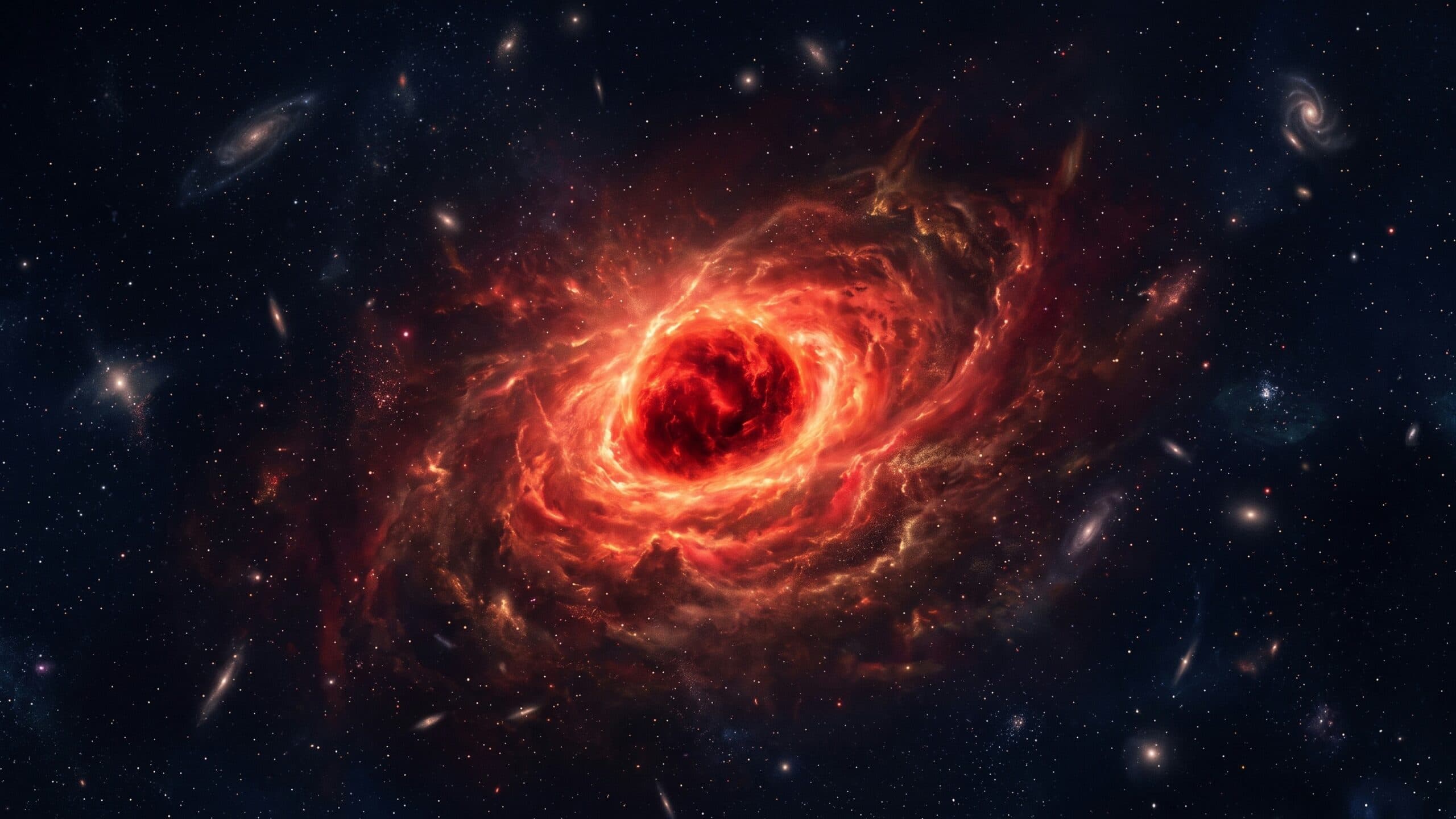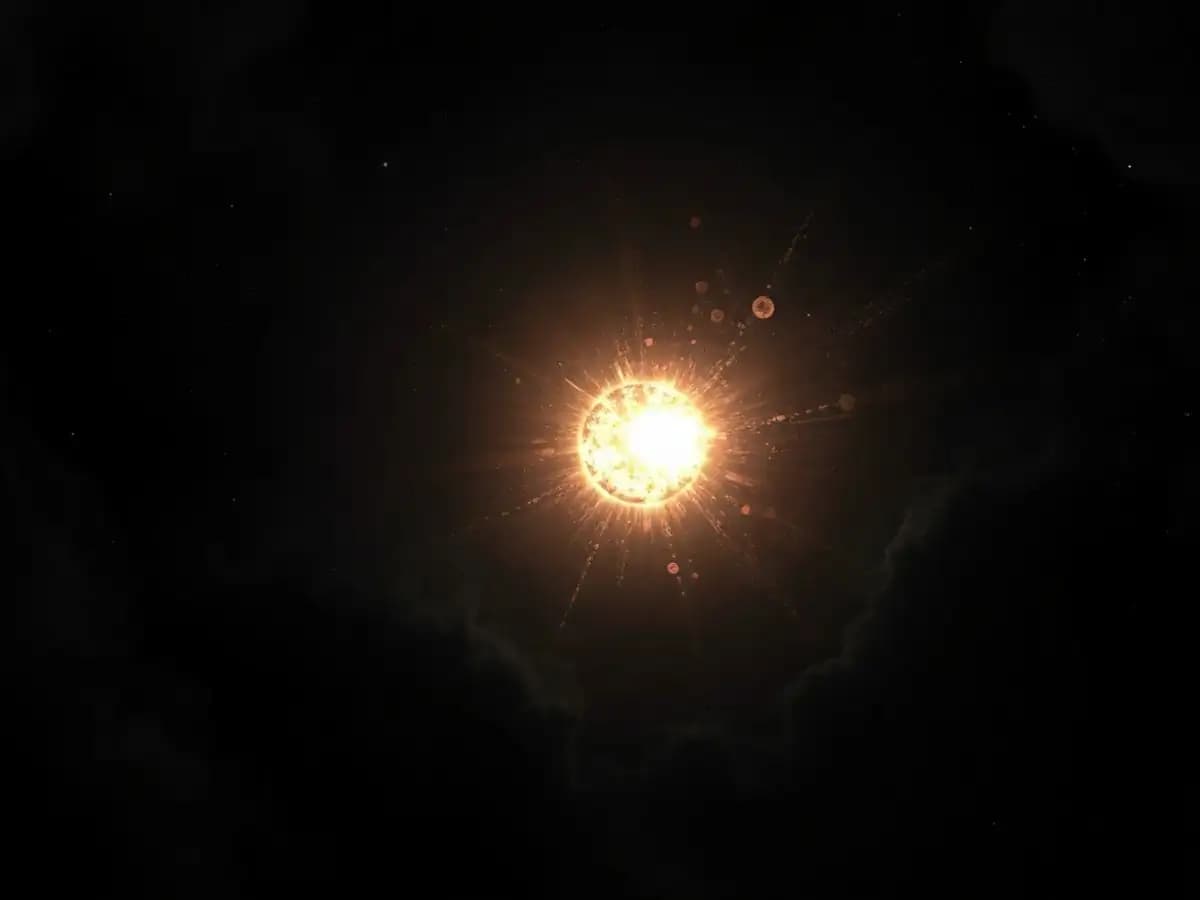

The universe is a vast and mysterious place, and sometimes it throws us a curveball that can be both fascinating and frightening. Recently, renowned physicist Brian Cox has raised alarms about the Betelgeuse star, a massive red supergiant located in the constellation Orion. This star, which is nearing the end of its life, is expected to explode as a supernova, and its proximity to Earth has sparked widespread interest and concern.
Key Takeaways
- Betelgeuse is a red supergiant star located about 700 light years from Earth.
- The star has shown signs of instability, including a significant dimming event in 2019.
- While a supernova is not expected for another 100,000 years, its behavior raises questions about its future.
- The explosion will be visible from Earth and will provide a unique opportunity for scientific study.
What Is Betelgeuse?
Betelgeuse, also known as Alpha Orionis, is one of the most recognizable stars in our night sky. It is classified as a red supergiant and is located in the constellation Orion, marking the Hunter’s left shoulder. With a radius approximately 700 to 1,000 times that of our sun and a mass 15 to 20 times greater, Betelgeuse is a true giant.
The star’s life is driven by the balance between nuclear fusion pushing outward and gravitational forces pulling inward. However, as its fuel dwindles, Betelgeuse has become unstable, leading to dramatic changes in brightness, temperature, and size.
Advertisement
The Great Dimming of Betelgeuse
In late 2019, Betelgeuse experienced a phenomenon known as the Great Dimming, where its brightness unexpectedly decreased by nearly 40%. This event captured the attention of both professional astronomers and casual stargazers alike. The sudden dimming raised questions about whether it was a precursor to a supernova.
Several theories emerged to explain this dimming:
- Dust Ejection: One theory suggests that Betelgeuse ejected a massive cloud of dust, blocking some of its light from reaching Earth.
- Convective Cells: Another theory posits that large convective cells on the star’s surface cooled temporarily, causing the dimming.
The Role of the Hubble Space Telescope
The Hubble Space Telescope played a crucial role in monitoring Betelgeuse during the Great Dimming. Observations revealed that the star had ejected a significant amount of hot material, which cooled and condensed into a dust cloud. This event was one of the largest of its kind ever observed in a star of Betelgeuse’s size.