Current Affairs & Conspiracy: How Today’s News Links to…
Politics
Current Affairs & Conspiracy: How Today’s News Links to Bigger Plots
In an era where information flows ceaselessly and at unprecedented speeds, the intersection of current affairs and conspiracy theories has become a focal point of public discourse. The media, historical context, and…
Art Grindstone is the hard-nosed storyteller behind Unexplained.co, a veteran investigator whose life’s work sits at the crossroads of the paranormal, fringe science, and the shadows most people try not to look into. With decades spent chasing impossible stories — black-budget psychic programs, vanished Cold War experiments, desert rituals that sparked UFO waves, and the strange phenomena buried in America’s forgotten backroads — Art brings a rare combination of skepticism, awe, and journalistic precision. He’s not here to debunk. He’s not here to blindly believe. He follows the evidence wherever it leads — even when it leads someplace deeply uncomfortable. Known for his immersive, cinematic style and his ability to turn obscure research into gripping narrative, Art has built a devoted following across podcasts, long-form features, documentaries, and serialized investigations. His interviews are direct. His analysis is unflinching. His voice has become a staple in the modern paranormal renaissance — the guy people turn to when a story is too strange, too complex, or too dangerous for anyone else to touch. Off-mic, Art works with a distributed network of researchers, archivists, and field operatives who help surface the stories mainstream media ignores. On-mic, he transforms their findings into meticulous, high-impact reporting that refuses to insult the intelligence of true believers. His philosophy is simple: Take the phenomenon seriously. Treat the audience with respect. Tell the story as if the world depends on it — because sometimes it does. When Art Grindstone digs into a case, he isn’t just chasing a mystery. He’s tracing the fault lines of reality itself.
5 min · 1,168 words
In This Report(18)
In an era where information flows ceaselessly and at unprecedented speeds, the intersection of current affairs and conspiracy theories has become a focal point of public discourse. The media, historical context, and psychological factors all play crucial roles in shaping and sustaining conspiracy beliefs. This article delves into these elements, exploring how today’s news often ties into larger, more intricate plots, and why people are drawn to such narratives.
Key Takeaways
Media outlets and social media platforms significantly influence the proliferation and acceptance of conspiracy theories.
Historical events and political maneuvers have long been fertile ground for the growth of conspiracy theories, which evolve with technological advancements.
Psychological factors, including cognitive biases and social dynamics, are key to understanding why individuals are drawn to and persist in believing conspiracy theories.
The Role of Media in Shaping Conspiracy Theories
Ground Zero Radio: A Case Study
Let’s dive into Ground Zero Radio. This show, hosted by Clyde Lewis, is a prime example of how media can influence conspiracy theories. Clyde Lewis often explores theories linking pandemics to world order schemes through Ground Zero Radio. It’s fascinating to see how these narratives gain traction. Ground Zero with Clyde Lewis has a knack for making the unbelievable seem plausible.
The Power of Viral Stories
Viral stories are like wildfire. They spread quickly and can be hard to contain. The media plays a crucial role in this. When a story goes viral, it can shape public opinion and even influence behavior. Think about the Epstein Island controversies. These stories didn’t just stay on the fringes; they became mainstream discussions. The media’s role in amplifying these stories can’t be overstated.
Advertisement
The Influence of Social Media Algorithms
Social media algorithms are designed to keep us engaged. But there’s a downside. These algorithms can create echo chambers, where we only see information that reinforces our existing beliefs. This can make conspiracy theories more believable. The societal impact of pandemic narratives is a perfect example. Algorithms pushed certain stories to the forefront, making them seem more credible than they might actually be.
The media isn’t just a passive player; it’s an active participant in shaping the narratives we believe. From traditional radio shows to viral stories and social media algorithms, the media’s influence is undeniable.
1957 Electrogravitics Secret: The Classified Research Program Whose Watchers Have All ‘Gone’
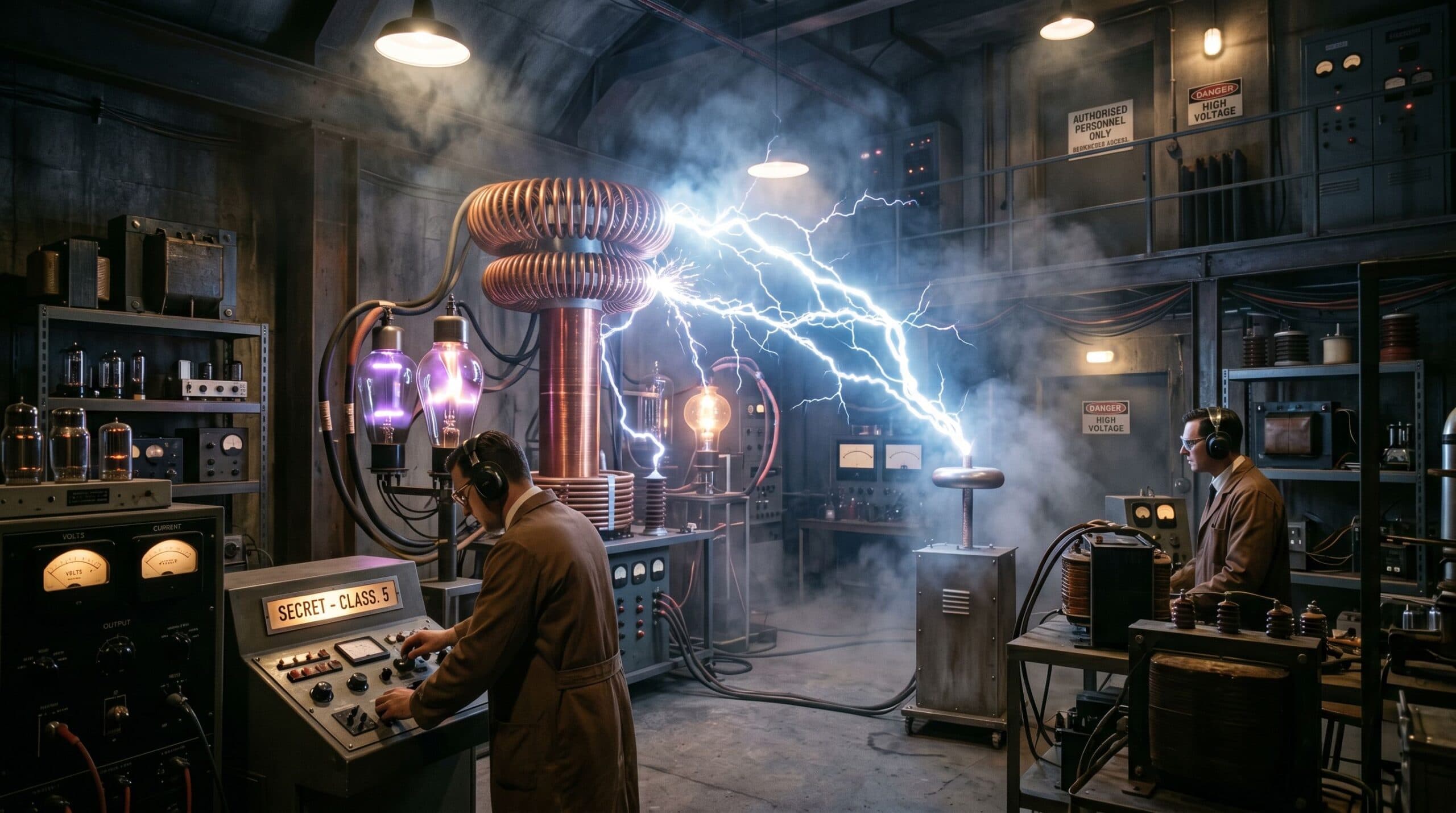
A viral essay claims that classified electrogravitics research made real progress in the 1950s — and that everyone who knew the truth about it has since disappeared from the public record. The story is spreading through high-strangeness forums.
May 14, 2026 • 7 min read
Cryptozoology
The Deep Sea Sphere: 1990s SCUBA Divers Filmed Something in the Bahamas That Still Defies Classification
A clip from the 1990s shows SCUBA divers encountering a strange, perfectly spherical creature in the Bahamas. Decades later, the footage is resurfacing — and cryptid researchers, marine biologists, and UAP watchers all have different theories about what it is.
May 14, 2026 • 6 min read
Articles
Two New Loch Ness Reports Bring 2026 Sightings to 13—But What Was Actually Seen?
Two new reported encounters bring the 2026 Loch Ness sighting count to 13. Here is what the reports establish—and what they do not.
Aug 26, 2026 • 6 min read
Historical Context: Conspiracy Theories Through the Ages
Ancient Conspiracies and Their Modern Echoes
Conspiracy theories are not a modern phenomenon. They’ve been around for centuries, thriving during times of crisis and social upheaval. From the burning of Rome while Nero was away to the whispers of secret societies in ancient civilizations, these theories have always found fertile ground. People have always believed in conspiracy theories. It’s just the way we’re wired. The conspiracies may change over time, but the belief is always out there.
Political Manipulation and Conspiracy
Throughout history, political leaders have often been at the center of conspiracy theories. Whether it’s the assassination of JFK or the enigmatic theories on Ground Zero Radio, these stories reflect societal concerns and human fascination. Political manipulation has always been a breeding ground for conspiracy theories. The idea that powerful individuals or groups are pulling the strings behind the scenes is a recurring theme.
The Evolution of Conspiracy Theories in the Digital Age
The digital age has transformed how conspiracy theories spread. Social media algorithms and viral stories have made it easier for these theories to reach a wider audience. Shows like The Secret Teachings and Everything Out There delve into these topics, exploring how modern technology amplifies age-old suspicions. The internet has become a double-edged sword, providing both a platform for information and a breeding ground for misinformation.
Conspiracy theories have always been part of our history, evolving with the times but never disappearing. They reflect our deepest fears and curiosities, offering explanations when reality seems too complex or unsettling.
Psychological Underpinnings of Conspiracy Beliefs
Advertisement
Cognitive Biases and Conspiracy Thinking
We all have cognitive biases. These are mental shortcuts our brains take to make sense of the world. Sometimes, they lead us astray. Confirmation bias is a big one. We tend to seek out information that confirms what we already believe. This can make conspiracy theories seem more credible than they are. Shows like Into the Parabnormal with Jeremy Scott often discuss these biases, making us more aware of how they shape our thinking.
The Appeal of the Unexplained
Humans are naturally curious. We crave explanations for the unexplained. When something big happens, like a natural disaster or a political scandal, simple answers often don’t satisfy us. We look for deeper, hidden meanings. This is where conspiracy theories come in. They offer a sense of understanding and control in a chaotic world.
The Social Dynamics of Belief
Believing in conspiracy theories can also be a social activity. It creates a sense of community among like-minded individuals. We feel connected to others who share our views. This social bond can be powerful, making it hard to let go of these beliefs even when faced with contradictory evidence.
It’s fascinating how our need for certainty and social connection can drive us towards believing in conspiracy theories. Understanding these psychological underpinnings can help us navigate the complex world of information and misinformation.
The psychological underpinnings of conspiracy beliefs are complex and multifaceted, often rooted in cognitive biases and social influences. To delve deeper into these intriguing insights, visit our website and unlock a world of exclusive content, educational resources, and VIP access to live events. Start your journey of discovery today!
Conclusion
In an era where information is abundant and easily accessible, the lines between fact and fiction often blur, giving rise to a fertile ground for conspiracy theories. As we’ve explored, today’s news stories frequently intersect with larger, more intricate plots that captivate the public’s imagination. Ground Zero Radio exemplifies this phenomenon, delving into the unexplained and offering a platform for alternative narratives. While some theories may seem far-fetched, they often reflect deeper societal anxieties and mistrust in traditional institutions. It’s crucial to approach these narratives with a critical mind, balancing skepticism with an open curiosity. By understanding the origins and appeal of conspiracy theories, we can better navigate the complex media landscape and foster a more informed and discerning public.
Frequently Asked Questions
What is Ground Zero Radio?
Ground Zero Radio is an online radio station that focuses on conspiracy theories, paranormal events, and current affairs. It is known for its deep dives into unexplained phenomena, captivating listeners who are intrigued by the world’s mysteries.
How do social media algorithms influence conspiracy theories?
Social media algorithms are designed to maximize user engagement, often by showing content that aligns with users’ existing beliefs and interests. This can create echo chambers where conspiracy theories are amplified and spread more easily.
Why do people believe in conspiracy theories?
People believe in conspiracy theories for various psychological reasons, including cognitive biases, the appeal of the unexplained, and social dynamics. These factors can make individuals more susceptible to believing in hidden plots and secret agendas.
↑
06
Historical Context: Conspiracy Theories Through the Ages
Art Grindstone is the hard-nosed storyteller behind Unexplained.co, a veteran investigator whose life’s work sits at the crossroads of the paranormal, fringe science, and the shadows most people try not to look into. With decades spent chasing impossible stories — black-budget psychic programs, vanished Cold War experiments, desert rituals that sparked UFO waves, and the strange phenomena buried in America’s forgotten backroads — Art brings a rare combination of skepticism, awe, and journalistic precision. He’s not here to debunk. He’s not here to blindly believe. He follows the evidence wherever it leads — even when it leads someplace deeply uncomfortable. Known for his immersive, cinematic style and his ability to turn obscure research into gripping narrative, Art has built a devoted following across podcasts, long-form features, documentaries, and serialized investigations. His interviews are direct. His analysis is unflinching. His voice has become a staple in the modern paranormal renaissance — the guy people turn to when a story is too strange, too complex, or too dangerous for anyone else to touch. Off-mic, Art works with a distributed network of researchers, archivists, and field operatives who help surface the stories mainstream media ignores. On-mic, he transforms their findings into meticulous, high-impact reporting that refuses to insult the intelligence of true believers. His philosophy is simple: Take the phenomenon seriously. Treat the audience with respect. Tell the story as if the world depends on it — because sometimes it does. When Art Grindstone digs into a case, he isn’t just chasing a mystery. He’s tracing the fault lines of reality itself.