Current Affairs Through a Conspiratorial Lens: What You Need to Know | Unexplained
AI Beast
Current Affairs Through a Conspiratorial Lens: What You Need to Know
In an era where information is abundant and easily accessible, conspiracy theories have found fertile ground to flourish. With media outlets like Ground Zero Radio, which delves into conspiracy theories, paranormal…
Art Grindstone is the hard-nosed storyteller behind Unexplained.co, a veteran investigator whose life’s work sits at the crossroads of the paranormal, fringe science, and the shadows most people try not to look into. With decades spent chasing impossible stories — black-budget psychic programs, vanished Cold War experiments, desert rituals that sparked UFO waves, and the strange phenomena buried in America’s forgotten backroads — Art brings a rare combination of skepticism, awe, and journalistic precision. He’s not here to debunk. He’s not here to blindly believe. He follows the evidence wherever it leads — even when it leads someplace deeply uncomfortable. Known for his immersive, cinematic style and his ability to turn obscure research into gripping narrative, Art has built a devoted following across podcasts, long-form features, documentaries, and serialized investigations. His interviews are direct. His analysis is unflinching. His voice has become a staple in the modern paranormal renaissance — the guy people turn to when a story is too strange, too complex, or too dangerous for anyone else to touch. Off-mic, Art works with a distributed network of researchers, archivists, and field operatives who help surface the stories mainstream media ignores. On-mic, he transforms their findings into meticulous, high-impact reporting that refuses to insult the intelligence of true believers. His philosophy is simple: Take the phenomenon seriously. Treat the audience with respect. Tell the story as if the world depends on it — because sometimes it does. When Art Grindstone digs into a case, he isn’t just chasing a mystery. He’s tracing the fault lines of reality itself.
5 min · 1,095 words
In This Report(18)
In an era where information is abundant and easily accessible, conspiracy theories have found fertile ground to flourish. With media outlets like Ground Zero Radio, which delves into conspiracy theories, paranormal events, and current affairs, the line between fact and fiction often becomes blurred. This article explores how such platforms shape conspiracy narratives, the psychological appeal behind these theories, and examines recent events through a conspiratorial lens.
Key Takeaways
Ground Zero Radio plays a significant role in popularizing and shaping conspiracy theories, captivating audiences with deep dives into unexplained phenomena.
The psychological appeal of conspiracy theories can be attributed to the human desire for simple explanations, cognitive biases, and the need to make sense of fear and uncertainty.
Recent events like the COVID-19 pandemic, political upheavals, and technological advances have been fertile ground for the rise and spread of conspiracy theories.
The Role of Ground Zero Radio in Shaping Conspiracy Narratives
Exploring the Popularity of Conspiracy Theories
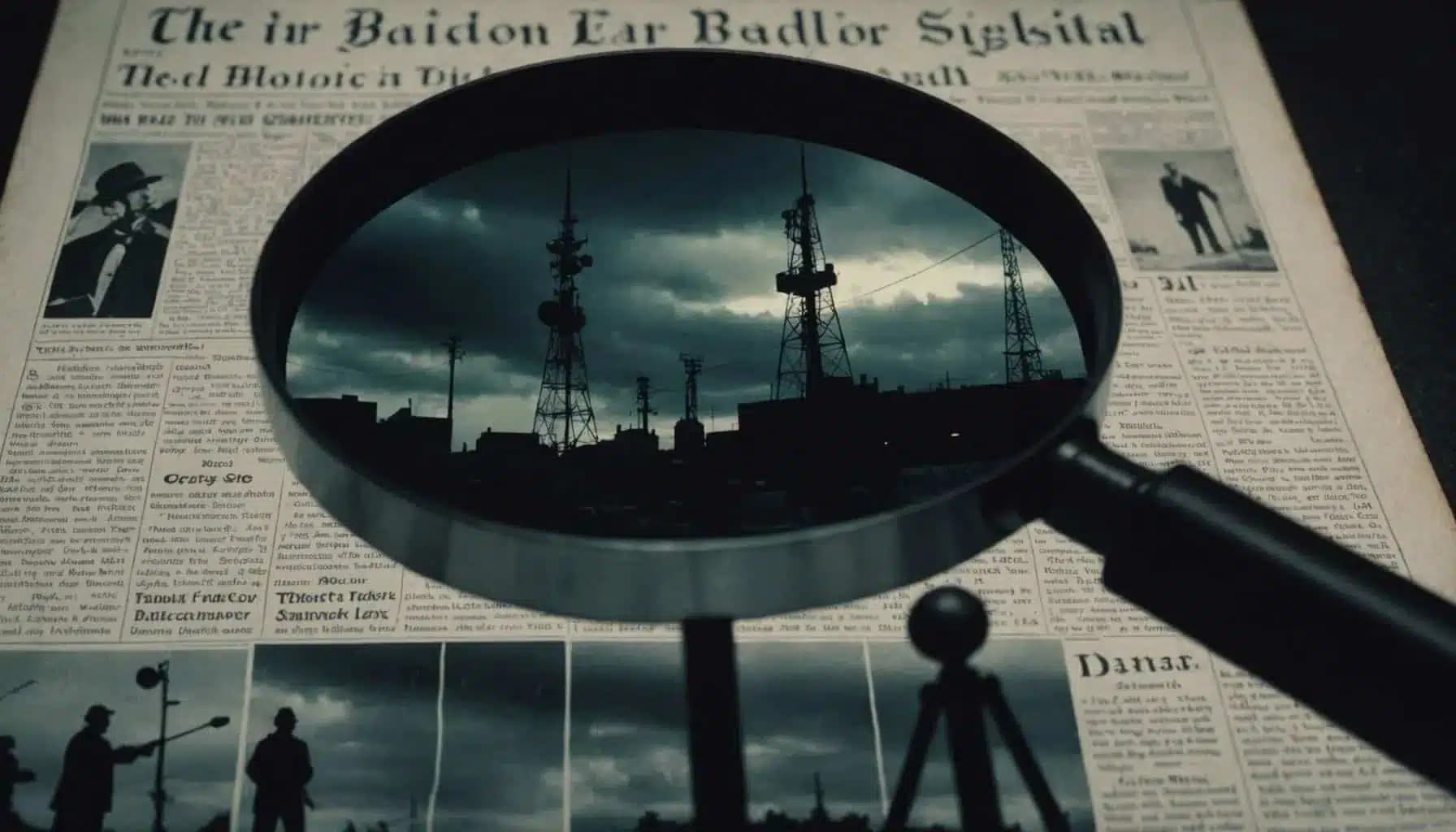
Conspiracy theories are everywhere these days. They flood our social media feeds and dominate late-night conversations. But why are they so popular? Today’s media landscape rewards conspiratorial content. Creators looking to make a name for themselves often push provocative narratives to stand out. This quest for influence places these stories in front of decision-makers, making them hard to ignore.
Advertisement
How Ground Zero Radio Captivates Its Audience
Ground Zero Radio, especially shows like The Paradigm Shift and Ground Zero with Clyde Lewis, have mastered the art of captivating their audience. They mix entertainment with a sense of identity and meaning. The hosts are charismatic, and the topics are always intriguing. Whether it’s discussing the latest UFO sighting or diving into government cover-ups, they keep listeners hooked.
The Impact of Alternative Media on Public Perception
Alternative media, including Ground Zero Radio and The Secret Teachings with Ryan Gable, significantly impact public perception. They offer a different narrative from mainstream media, often questioning official stories and providing alternative explanations. This can be both enlightening and dangerous. On one hand, it encourages critical thinking. On the other, it can lead to misinformation and fear.
Japan Just Confirmed It Has UAP Footage, and Is Analyzing Pentagon Files Near Its Borders
Japan’s formal entry into the UAP transparency wave signals an international domino effect. What the country knows about UAP encounters near Japanese territory and why it matters now.
May 14, 2026 • 5 min read
Conspiracy Theories
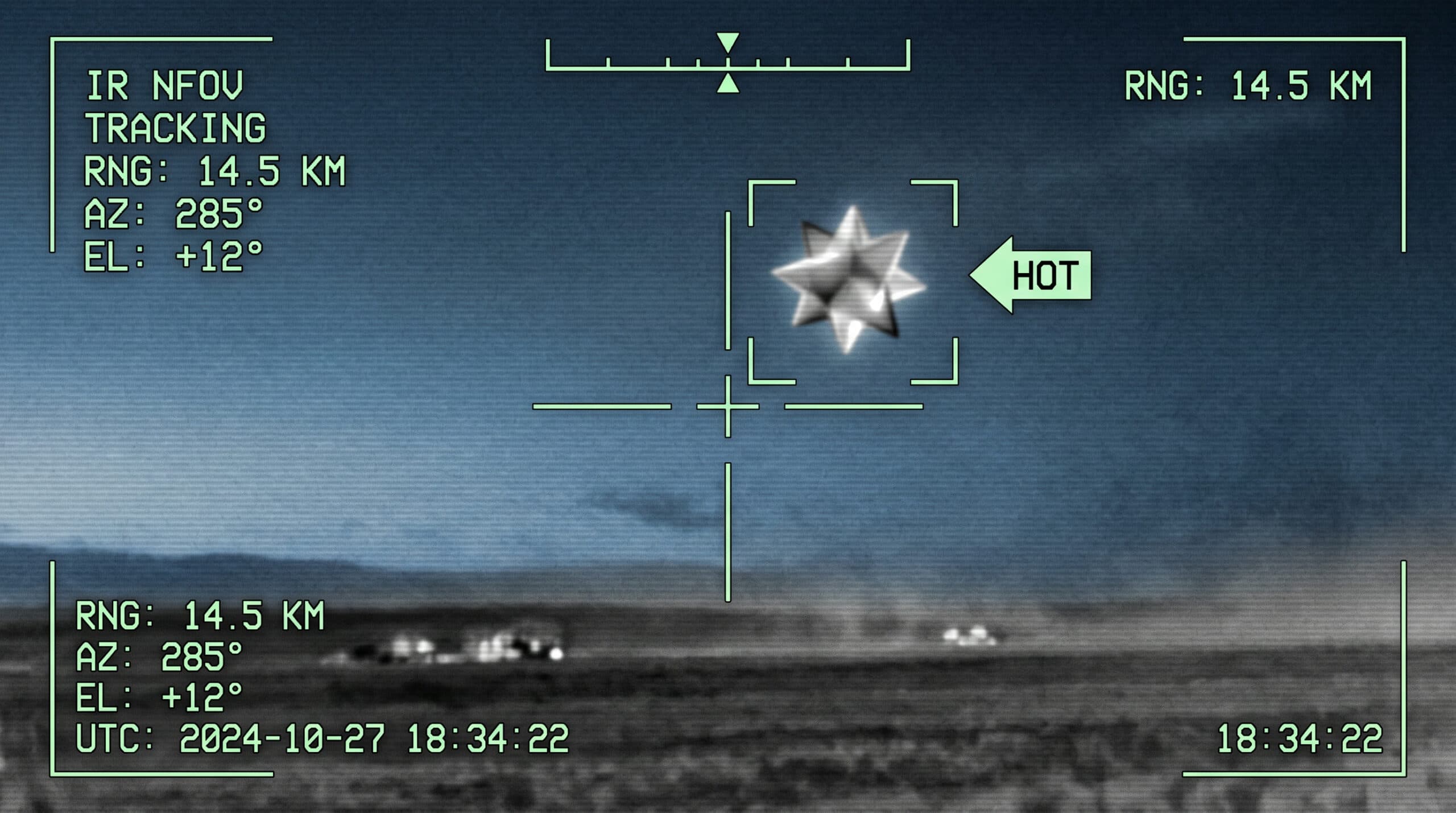
Ukrainian Defense Ministry Advisor Posts Star-Shaped UAP Video — and the Close-Ups Look Nothing Like a Drone
Serhii ‘Flash’ Beskrestnov released footage of a structured, star-shaped craft over Ukraine that has UFO researchers examining every frame for proof.
May 14, 2026 • 6 min read
Conspiracy Theories
Japan Just Confirmed It Has UAP Footage — and Is Analyzing Pentagon Files Near Its Borders
Japan’s formal entry into the UAP transparency wave signals an international domino effect. What the country knows about UAP encounters near Japanese territory and why it matters now.
May 13, 2026 • 5 min read
The noise of conspiracy theories can prevent meaningful reporting. When media organizations spend substantial time countering misinformation, they are less able to deliver substantive information to audiences who need it.
Analyzing the Psychological Appeal of Conspiracy Theories
The Human Desire for Simple Explanations
We all crave simplicity, especially when the world feels chaotic. Conspiracy theories offer easy answers to complex problems. They provide a sense of order in a disorderly world. When we say, “I know things they don’t know!”, it gives us a feeling of control and uniqueness. This need for simplicity and control is a big reason why conspiracy theories are so appealing.
The Role of Cognitive Biases in Belief Formation
Our brains are wired to find patterns, even when none exist. Cognitive biases, like confirmation bias, make us more likely to believe information that supports our existing views. This is why once we start believing in a conspiracy theory, it’s hard to let go. We selectively gather information that confirms our beliefs and ignore what doesn’t. It’s like tuning into “Into the Parabnormal” and only hearing what we want to hear.
How Fear and Uncertainty Fuel Conspiratorial Thinking
Fear and uncertainty are powerful motivators. When we’re scared or unsure, we’re more likely to believe in conspiracy theories. They offer a way to make sense of the unknown. The more uncertain the times, the more likely people are to turn to these theories for comfort. It’s a coping mechanism, a way to feel like we have some control over a scary world.
In times of crisis, the allure of conspiracy theories grows stronger. They provide a sense of certainty and control, even if it’s just an illusion.
Advertisement
Case Studies: Conspiracy Theories in Recent Events
The COVID-19 Pandemic and Misinformation
We’ve all seen it. The COVID-19 pandemic brought a tidal wave of conspiracy theories. From 5G towers causing the virus to microchips in vaccines, the internet was flooded with wild claims. Misinformation spread like wildfire, making it hard to separate fact from fiction. Shows like The Secret Teachings and Everything Out There often delve into these topics, adding fuel to the fire.
Political Upheavals and Election Fraud Claims
Remember the 2020 U.S. Presidential Election? Claims of election fraud were rampant. Social media was ablaze with accusations and counter-accusations. This wasn’t just limited to the U.S.; other countries saw similar claims during their elections. The role of alternative media in shaping these narratives can’t be ignored.
Technological Advances and the Rise of Cyber Conspiracies
As technology advances, so do the conspiracy theories. From fears about AI taking over the world to concerns about privacy invasions through smart devices, the digital age has its own set of unique conspiracies. These theories often gain traction quickly, especially when they tap into existing fears and uncertainties.
In times of crisis, people seek answers. Conspiracy theories offer simple explanations for complex issues, making them incredibly appealing.
In our latest section, “Case Studies: Conspiracy Theories in Recent Events,” we delve into some of the most intriguing and controversial theories that have emerged in recent times. From political scandals to unexplained phenomena, our comprehensive analysis will leave you questioning the world around you. For an in-depth exploration and exclusive content, visit our website and unlock a world of intriguing insights.
Conclusion
In a world where information is at our fingertips, the allure of conspiracy theories remains strong. Ground Zero Radio exemplifies how these theories captivate and entertain, blending current affairs with the unexplained. While some conspiracies may offer intriguing perspectives, it’s crucial to approach them with a discerning mind. As history shows, misinformation can spread rapidly and have significant consequences. Therefore, staying informed and critical is essential in navigating the complex landscape of modern media. Remember, the truth is out there, but so is a lot of noise.
Frequently Asked Questions
What is Ground Zero Radio?
Ground Zero Radio is an online radio station focusing on conspiracy theories, paranormal events, and current affairs. Known for its deep dives into the unexplained, it captivates those intrigued by the world’s mysteries.
Why do people believe in conspiracy theories?
People often believe in conspiracy theories due to a desire for simple explanations, cognitive biases, and feelings of fear and uncertainty. These factors make conspiratorial thinking psychologically appealing.
How do conspiracy theories impact public perception?
Conspiracy theories can significantly impact public perception by spreading misinformation, creating confusion, and influencing opinions on high-stakes issues such as public safety, personal health, and democratic processes.
Art Grindstone is the hard-nosed storyteller behind Unexplained.co, a veteran investigator whose life’s work sits at the crossroads of the paranormal, fringe science, and the shadows most people try not to look into. With decades spent chasing impossible stories — black-budget psychic programs, vanished Cold War experiments, desert rituals that sparked UFO waves, and the strange phenomena buried in America’s forgotten backroads — Art brings a rare combination of skepticism, awe, and journalistic precision. He’s not here to debunk. He’s not here to blindly believe. He follows the evidence wherever it leads — even when it leads someplace deeply uncomfortable. Known for his immersive, cinematic style and his ability to turn obscure research into gripping narrative, Art has built a devoted following across podcasts, long-form features, documentaries, and serialized investigations. His interviews are direct. His analysis is unflinching. His voice has become a staple in the modern paranormal renaissance — the guy people turn to when a story is too strange, too complex, or too dangerous for anyone else to touch. Off-mic, Art works with a distributed network of researchers, archivists, and field operatives who help surface the stories mainstream media ignores. On-mic, he transforms their findings into meticulous, high-impact reporting that refuses to insult the intelligence of true believers. His philosophy is simple: Take the phenomenon seriously. Treat the audience with respect. Tell the story as if the world depends on it — because sometimes it does. When Art Grindstone digs into a case, he isn’t just chasing a mystery. He’s tracing the fault lines of reality itself.