Exploring the Intriguing World of Urban Legends: Truths…
Ancient Civilizations
Exploring the Intriguing World of Urban Legends: Truths and Myths Unveiled
Urban legends are fascinating stories that capture our imaginations and send chills down our spines. These tales, often passed down through generations, mix truth and fiction in a way that makes us question reality.…
Art Grindstone is the hard-nosed storyteller behind Unexplained.co, a veteran investigator whose life’s work sits at the crossroads of the paranormal, fringe science, and the shadows most people try not to look into. With decades spent chasing impossible stories — black-budget psychic programs, vanished Cold War experiments, desert rituals that sparked UFO waves, and the strange phenomena buried in America’s forgotten backroads — Art brings a rare combination of skepticism, awe, and journalistic precision. He’s not here to debunk. He’s not here to blindly believe. He follows the evidence wherever it leads — even when it leads someplace deeply uncomfortable. Known for his immersive, cinematic style and his ability to turn obscure research into gripping narrative, Art has built a devoted following across podcasts, long-form features, documentaries, and serialized investigations. His interviews are direct. His analysis is unflinching. His voice has become a staple in the modern paranormal renaissance — the guy people turn to when a story is too strange, too complex, or too dangerous for anyone else to touch. Off-mic, Art works with a distributed network of researchers, archivists, and field operatives who help surface the stories mainstream media ignores. On-mic, he transforms their findings into meticulous, high-impact reporting that refuses to insult the intelligence of true believers. His philosophy is simple: Take the phenomenon seriously. Treat the audience with respect. Tell the story as if the world depends on it — because sometimes it does. When Art Grindstone digs into a case, he isn’t just chasing a mystery. He’s tracing the fault lines of reality itself.
6 min · 1,450 words
In This Report(27)
Urban legends are fascinating stories that capture our imaginations and send chills down our spines. These tales, often passed down through generations, mix truth and fiction in a way that makes us question reality. From spooky creatures to mysterious disappearances, urban legends reflect our deepest fears and cultural beliefs. This article dives into the origins, variations, and impacts of these captivating stories, revealing the thin line between fact and myth.
Key Takeaways
Urban legends often originate from real events but get twisted over time, blending truth with fiction.
Different cultures have their own unique urban legends, which reflect their values and fears.
Famous urban legends like the Vanishing Hitchhiker and the Loch Ness Monster show how these stories can vary across regions.
Urban legends can influence our emotions and behaviors, often causing fear and anxiety.
In the digital age, urban legends spread faster and evolve quickly, leading to new myths and stories.
The Origins of Urban Legends
Historical Context and Evolution
Urban legends have been around for a long time, evolving from ancient myths and folklore. The term urban legend started to appear in folklore studies in the mid-20th century. These stories often seem too good to be true and are passed down through generations, changing slightly each time they are told.
Advertisement
Cultural Significance Across Regions
Urban legends are not just local tales; they have cultural significance across different regions. These stories reflect the values, fears, and beliefs of the communities that tell them. For example, a legend popular in one country might have a different version in another, showing how these tales adapt to fit local cultures.
Common Themes and Motifs
Many urban legends share common themes and motifs. These often include elements of fear, mystery, and the supernatural. Some popular themes are haunted places, mysterious creatures, and unexplained phenomena. These recurring motifs help to make the stories more relatable and memorable.
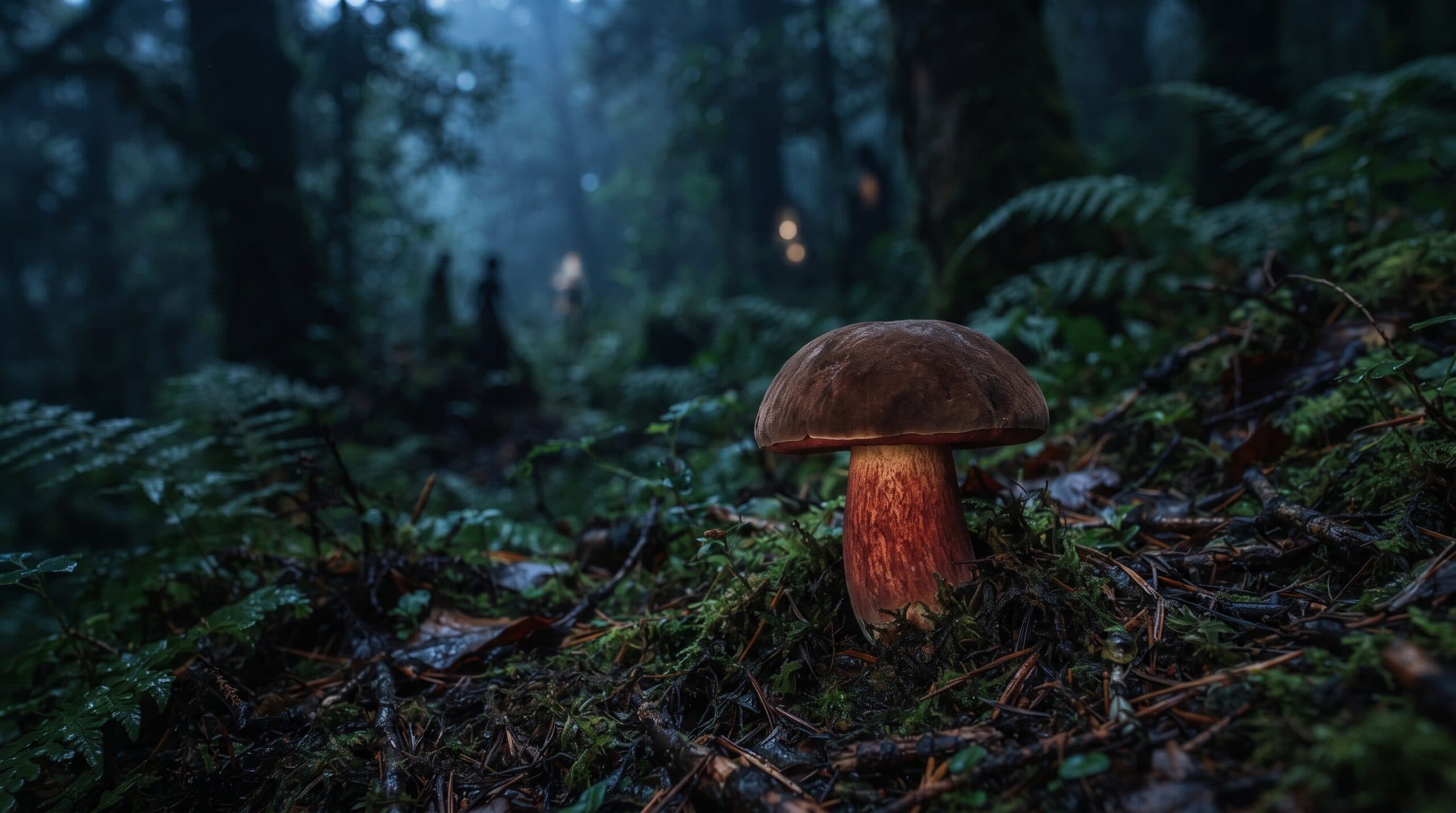
The Mushroom That Makes People See Tiny People—and the Chemical Nobody Has Found
Reports from China, Papua New Guinea and the Philippines describe the same unnerving vision after eating one mushroom: crowds of tiny people. Researchers have now connected the cases to Lanmaoa asiatica, but the active chemical remains unknown.
Aug 20, 2026 • 9 min read
Articles
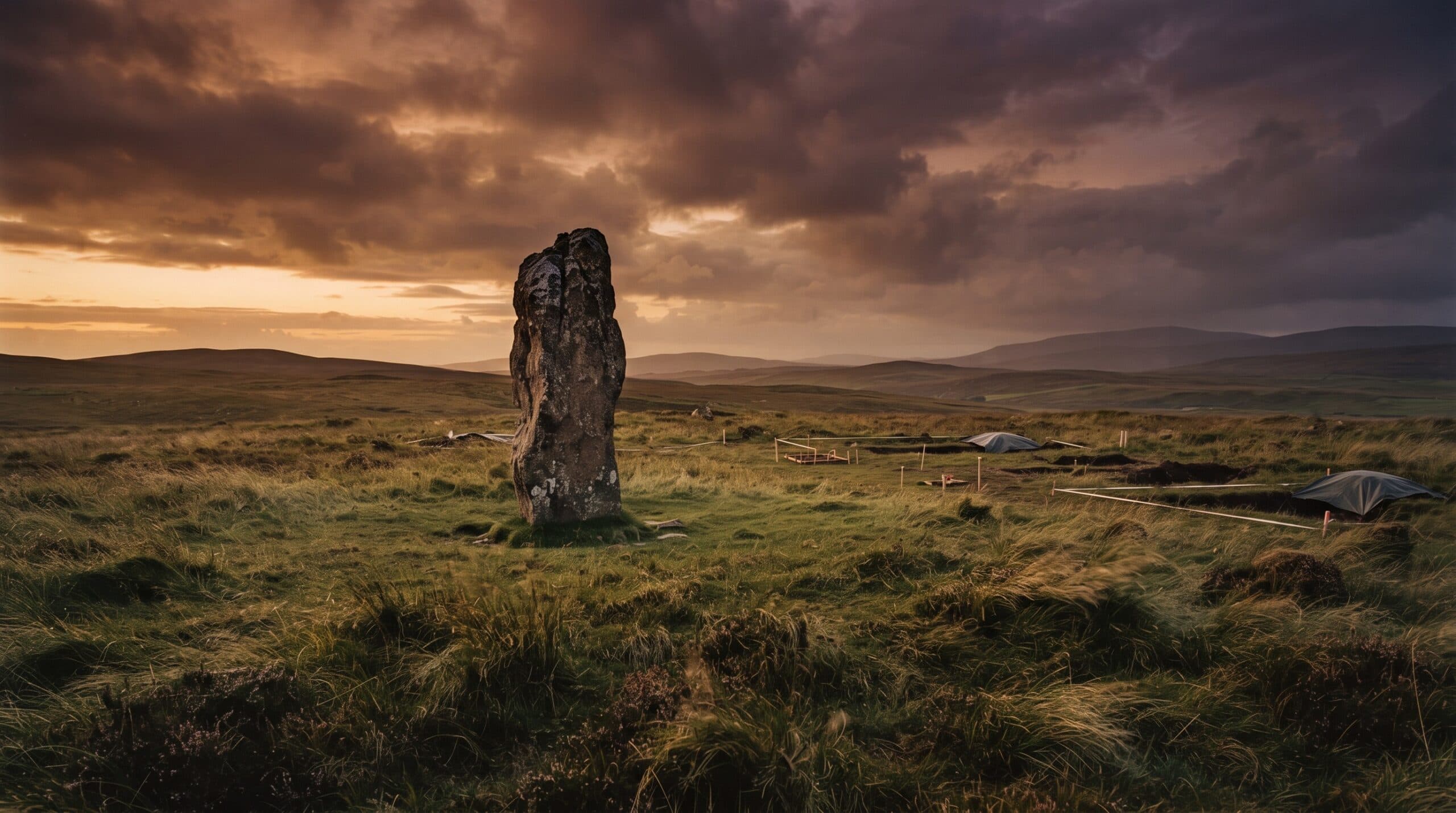
The Sunken Basilica of Iznik: Did a Lake Hide the Council of Nicaea?
A basilica beneath Lake Iznik has revived a 1,700-year-old question: was this the setting of the First Council of Nicaea, or a compelling archaeological near-miss?
Aug 18, 2026 • 6 min read
Conspiracy Theories
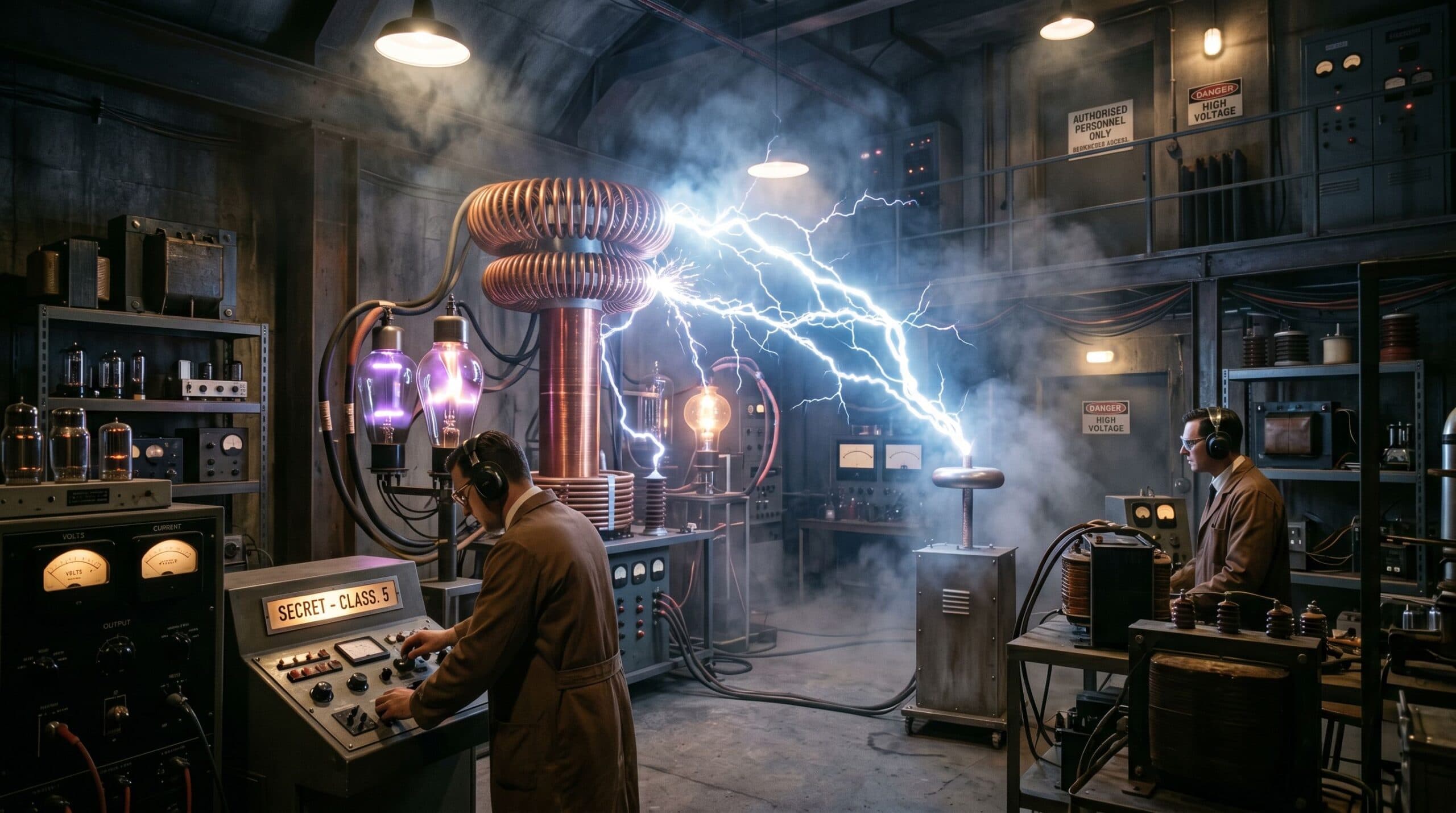
The Sandia Quantum Scientist Who Vanished: Ingrid Lane’s Double Life and the Mystery No One Solves
Ingrid Lane lived a double life — bipolar musician to the world, Sandia National Laboratories quantum computing scientist underneath. Then she disappeared. The story is a fixation in high-strangeness communities.
May 14, 2026 • 7 min read
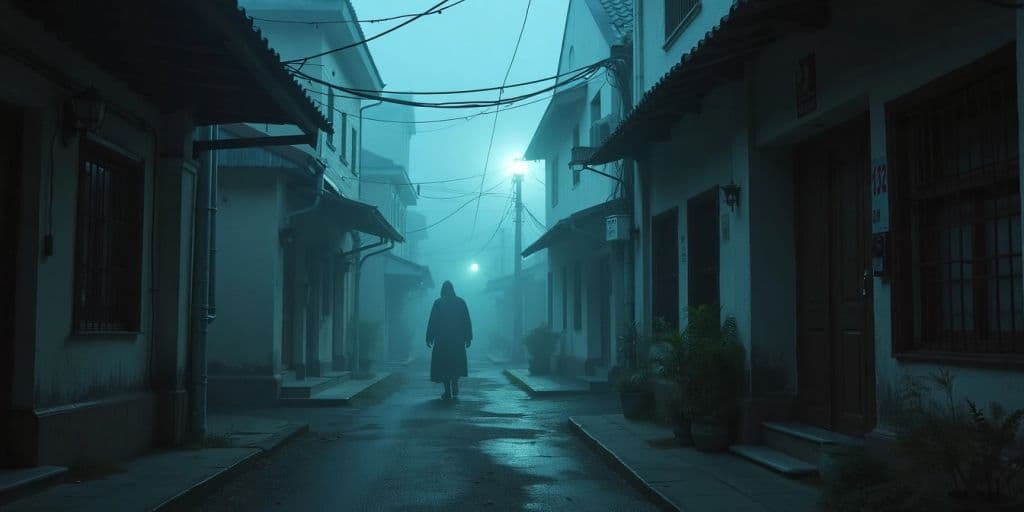
Urban legends have a unique way of capturing our imaginations and sending shivers down our spines. Whether you dismiss urban legends as children’s lore or believe they’re based on fact, these tales will send a shiver up your spine. Here, we explore some of the most famous urban legends and their variations across different cultures and regions.
Psychological Impact of Urban Legends
Fear and Anxiety
Urban legends often tap into our deepest fears, creating a sense of unease and dread. These stories can make us wary of everyday situations, like driving alone at night or staying in an unfamiliar place. The fear generated by these tales can be intense, sometimes leading to anxiety and stress.
Social Influence and Peer Pressure
Urban legends spread quickly through social circles, often fueled by peer pressure. People share these stories to fit in or to seem knowledgeable. This social aspect can make the legends more believable and harder to debunk. The influence of friends and family can make it challenging to question the validity of these tales.
Memory and Perception
Our memories and perceptions can be easily influenced by urban legends. When we hear a story repeatedly, it can start to feel real, even if it’s not. This phenomenon is known as the "illusory truth effect." Over time, the line between fact and fiction blurs, making it difficult to separate reality from myth.
Urban legends have a unique way of embedding themselves into our collective psyche, often blurring the line between reality and fiction.
Debunking Urban Legends: Fact vs. Fiction
Urban legends have a way of capturing our imaginations, but how much of what we hear is actually true? In this section, we will explore the methods used to separate fact from fiction and reveal the truth behind some of the most famous urban legends.
Urban Legends in Popular Culture
Urban legends have found a significant place in popular culture, influencing various forms of media and entertainment. These tales, often rooted in folklore, have been adapted and reimagined to captivate modern audiences.
Movies and TV Shows
Urban legends have been a rich source of inspiration for filmmakers and TV producers. Many horror movies and thriller series draw from these eerie tales to create suspense and fear. For instance, the legend of the Vanishing Hitchhiker has been featured in numerous films, highlighting its enduring appeal.
Literature and Comics
Books and comics have also embraced urban legends, weaving them into their narratives to add a layer of mystery and intrigue. Authors often explore these stories to delve into the human psyche and societal fears. Graphic novels, in particular, use vivid illustrations to bring these legends to life.
Video Games and Online Communities
The gaming world has not been left behind. Games like ‘Urban Myth Dissolution Center’ allow players to explore and solve mysteries based on urban legends. Online communities and forums are also abuzz with discussions and theories about these tales, keeping the legends alive in the digital age.
Advertisement
Urban legends continue to evolve, adapting to new forms of media and technology, ensuring their place in popular culture for generations to come.
The Future of Urban Legends
Digital Age and Viral Stories
In today’s world, urban legends spread faster than ever thanks to the internet. Social media platforms and online forums allow these stories to go viral within hours. This rapid spread can make even the most unbelievable tales seem real. People share these stories, adding their own twists, which makes them even more intriguing.
Globalization and Cultural Exchange
Urban legends are no longer confined to one region or culture. With globalization, these stories travel across borders, blending elements from different cultures. This exchange creates new, hybrid legends that are even more fascinating. For example, a story that starts in Japan might pick up elements from American folklore as it spreads.
Potential New Legends
As technology advances, new types of urban legends are likely to emerge. Stories about artificial intelligence, virtual reality, and other cutting-edge technologies could become the urban legends of tomorrow. These new legends will reflect our modern fears and anxieties, just as older legends did in their time.
The future of urban legends is both exciting and unpredictable. As our world changes, so too will the stories we tell, blending truth and fiction in ways that captivate and intrigue us.
Urban legends are evolving, and their future is more exciting than ever. As technology advances, these stories are finding new ways to captivate and thrill us. Want to dive deeper into the world of urban legends? Visit our website for exclusive content and insights that you won’t find anywhere else. Join us and be part of the adventure!
Conclusion
Urban legends have a special place in our hearts and minds. They blend fear, curiosity, and culture, making us question what we know and believe. These stories, whether about haunted places or mysterious creatures, have been told and retold, shaping our communities and our understanding of the world. While some legends are based on real events, others are pure fiction, but all of them teach us something about human nature and our need for storytelling. As we continue to explore these tales, we uncover not just the myths themselves, but also the truths about our own fears and imaginations. So, next time you hear an urban legend, remember that it’s more than just a story—it’s a glimpse into the human experience.
Frequently Asked Questions
What are urban legends?
Urban legends are stories or myths that are passed down through generations. They often involve mysterious, spooky, or supernatural events and are usually told as true, even though they might not be.
Why do people believe in urban legends?
People believe in urban legends because they are often thrilling and play on common fears and anxieties. They are also passed down by trusted sources like friends or family, which makes them seem more believable.
How do urban legends spread?
Urban legends spread through word of mouth, social media, and other forms of communication. They often change slightly with each retelling, which helps them to adapt and survive over time.
Can urban legends be based on real events?
Yes, some urban legends are inspired by real events or have a grain of truth in them. However, they are usually exaggerated or altered to make the story more interesting or frightening.
What is the purpose of urban legends?
Urban legends often serve as cautionary tales, warning people about dangers or teaching moral lessons. They also provide entertainment and a way for people to bond over shared stories.
How can you tell if an urban legend is true?
It’s often hard to tell if an urban legend is true. Checking reliable sources, looking for evidence, and considering if the story has been exaggerated can help you determine its truthfulness.
Art Grindstone is the hard-nosed storyteller behind Unexplained.co, a veteran investigator whose life’s work sits at the crossroads of the paranormal, fringe science, and the shadows most people try not to look into. With decades spent chasing impossible stories — black-budget psychic programs, vanished Cold War experiments, desert rituals that sparked UFO waves, and the strange phenomena buried in America’s forgotten backroads — Art brings a rare combination of skepticism, awe, and journalistic precision. He’s not here to debunk. He’s not here to blindly believe. He follows the evidence wherever it leads — even when it leads someplace deeply uncomfortable. Known for his immersive, cinematic style and his ability to turn obscure research into gripping narrative, Art has built a devoted following across podcasts, long-form features, documentaries, and serialized investigations. His interviews are direct. His analysis is unflinching. His voice has become a staple in the modern paranormal renaissance — the guy people turn to when a story is too strange, too complex, or too dangerous for anyone else to touch. Off-mic, Art works with a distributed network of researchers, archivists, and field operatives who help surface the stories mainstream media ignores. On-mic, he transforms their findings into meticulous, high-impact reporting that refuses to insult the intelligence of true believers. His philosophy is simple: Take the phenomenon seriously. Treat the audience with respect. Tell the story as if the world depends on it — because sometimes it does. When Art Grindstone digs into a case, he isn’t just chasing a mystery. He’s tracing the fault lines of reality itself.