Key Takeaways
- Several firsthand-style accounts from Wartime Stories and local oral histories describe unexplained phenomena in military transports: a smiling face with a blue glow in a locked C-47 cockpit at Fort Bragg; a C-5 cargo-bay sighting involving ‘red eyes’ and raspy breathing; and folklore about ‘cursed’ parts from the Lady Be Good wreck.
- Hard facts provide anchors: the Lady Be Good (B-24D serial 41-24301) vanished on 4 April 1943 and was found in the Libyan Desert in 1958–59, with artifacts now in museum collections; technical specs for the C-47 and C-5 match the eyewitness descriptions.
- Open questions persist: the cockpit and cargo-bay events rely on oral testimony without public access to security logs or maintenance records; claims of salvaged parts causing accidents lack documented tracking or causal evidence.
A Night Patrol at Fort Bragg
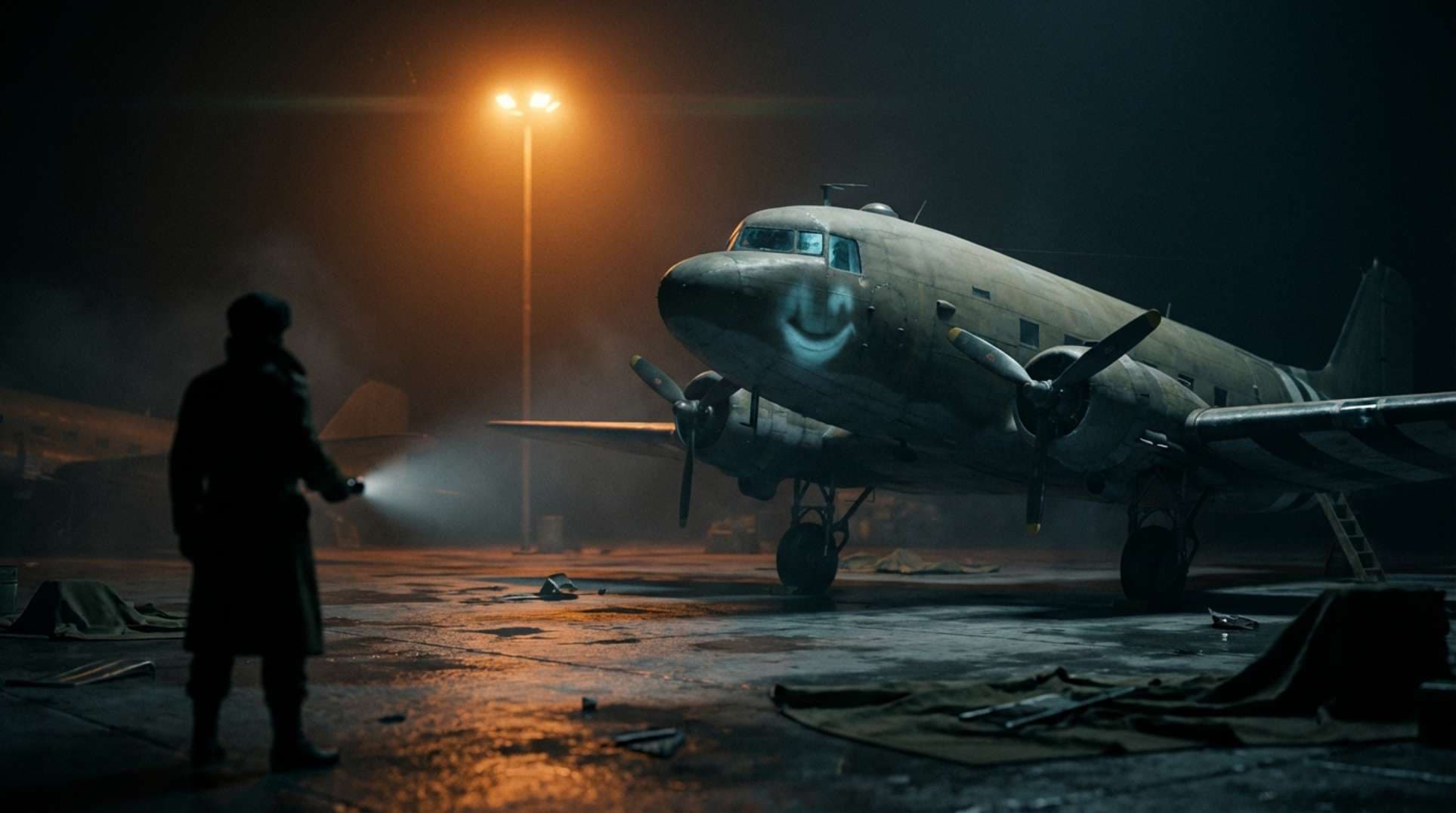
The floodlamp cuts a sharp circle on the tarmac, its light pooling around the locked C-47 like a spotlight on an empty stage. Hydraulic fluid hangs in the air, mixing with the faint scent of canvas and metal. A guard paces, flashlight in hand, the generator’s hum the only company on this isolated corner of Fort Bragg. These planes carry names, nose art—crews treat them like old friends, projecting life onto cold machinery.
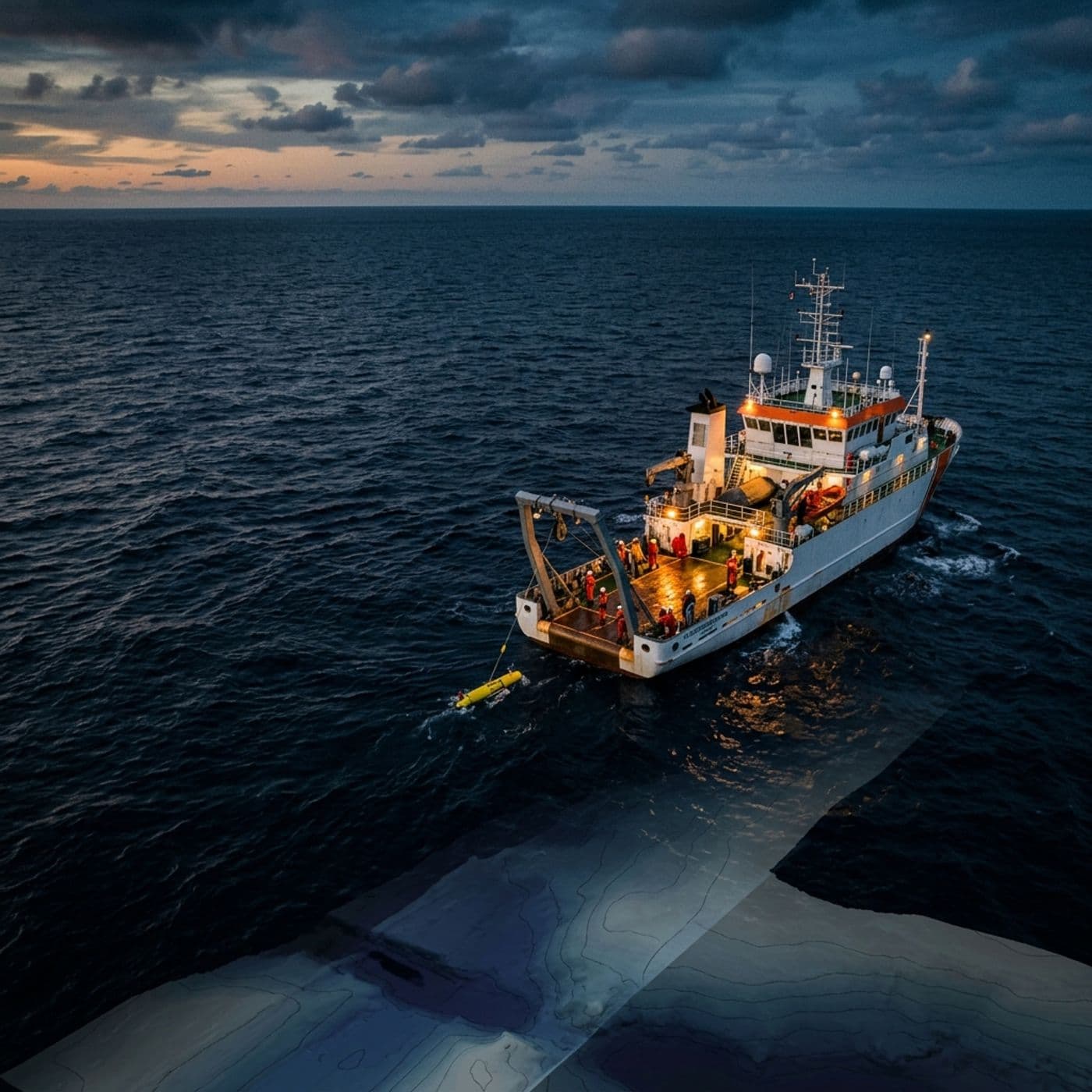
Shift to 1943: a B-24 crew bails into the Libyan night, parachutes vanishing into darkness. Fifteen years later, in 1958, an oil survey spots the wreck far inland—intact, sand-swept, the machine enduring where men did not. What lingers when the crew is gone? The desert holds its secrets, indifferent.
What Witnesses and Analysts Report
Witnesses share these stories in forums, oral histories, and compilations like Wartime Stories, piecing together experiences that official channels often overlook. We treat these accounts with respect—they come from people who’ve stared into the unknown, much like us.
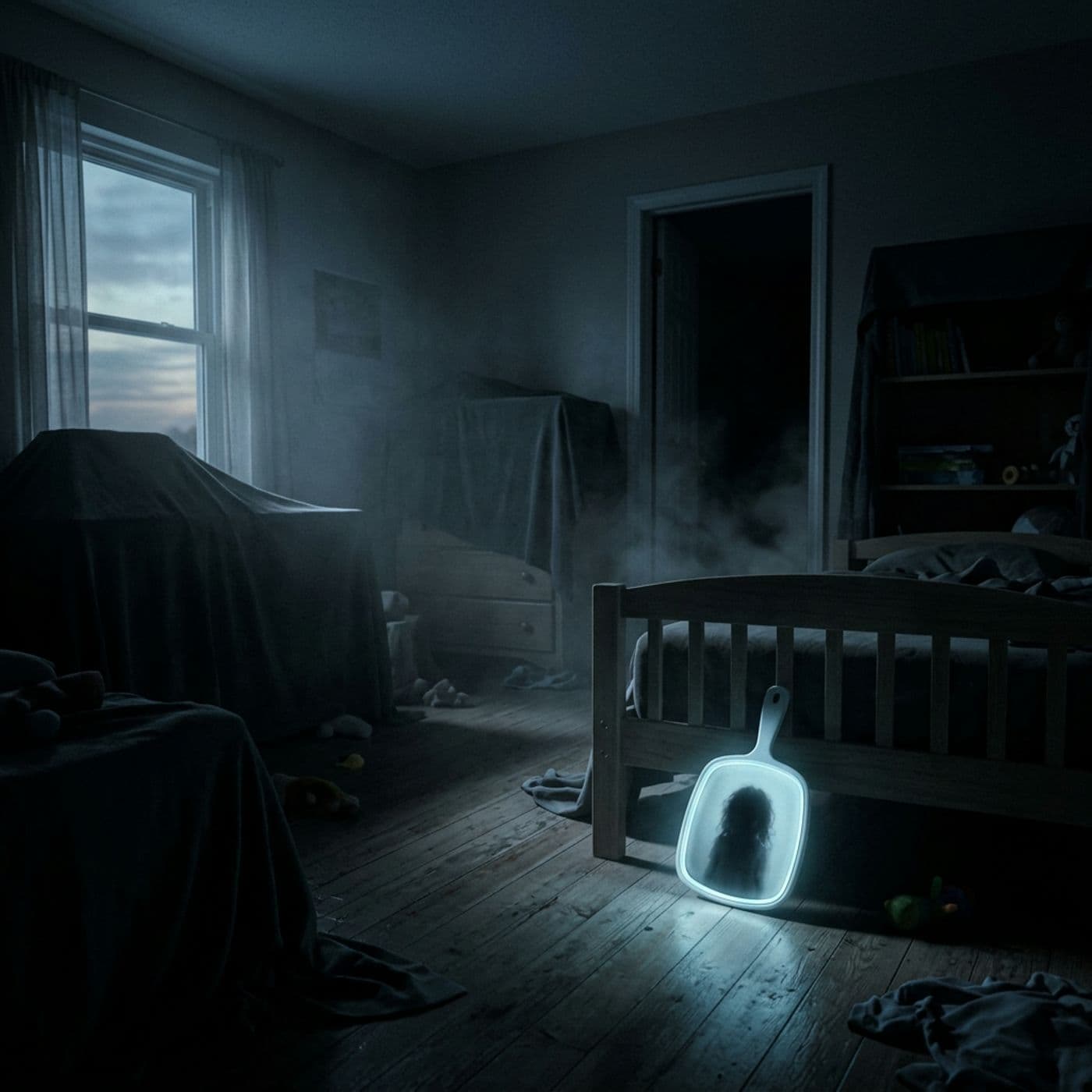
Take the Fort Bragg C-47: a guard spots a smiling face in the locked cockpit window. It twists into horror, joined by a blue glow. A sergeant backs it up, claiming he’d seen a figure there before. These aren’t isolated whispers; they’re echoed in local retellings.
Then there’s the child’s account—a soldier’s three-year-old describes being in a similar C-47, mentioning a ‘bird patch’ on a shoulder and an M1 Garand. Community investigators frame it as a possible past-life memory, adding layers to the mystery.
In the C-5 Galaxy tale, an airman recalls his friend hearing a whining sound during a preflight check in the empty cargo bay. A man appears with red eyes and raspy breathing. Security sweeps the area, finds nothing. This comes from forum testimony, consistent with other unexplained reports.
Lady Be Good enters the folklore: the real 1958–59 discovery of the B-24 in the Libyan Desert blends with stories of crew remains and salvaged parts. Community memory adds tales of those parts causing accidents, apparitions in museums, shadows of the lost crew.
Timelines, Tracks, and Hard Data
Let’s ground this in what we can verify. Documentary records and technical specs form the backbone—dates, IDs, holdings. Where gaps appear, they highlight what needs chasing.
The Lady Be Good: B-24D serial 41-24301 takes off 4 April 1943, lost over Libya. Wreck spotted by a British oil team around 1958; searches and recoveries follow in 1959–1960. Nine-man crew, partial remains recovered. Sources include the National Museum of the U.S. Air Force and Army Quartermaster Museum reports.
C-47 specs hark back to WWII: typical crew setups for transport roles. The C-5 Galaxy’s cargo bay stretches about 121 feet long, 19 feet wide, 13.5 feet high—matching the scale in those sighting descriptions, per National Museum AF and GlobalSecurity data.
Museums hold pieces: National Museum of the U.S. Air Force and U.S. Army Quartermaster collections display artifacts, sticking to historical facts without supernatural nods.
| Event | Date | Source | Certainty |
|---|---|---|---|
| Lady Be Good loss | 4 April 1943 | AAF records | High (documented) |
| Wreck discovery | 1958–59 | Oil team reports, museum archives | High (verified) |
| C-47 cockpit sighting | Unspecified | Wartime Stories, oral histories | Low (anecdotal) |
| C-5 cargo-bay incident | Unspecified | Forum testimony | Low (testimonial) |
| Parts curse lore | Post-1959 | Community folklore | Low (unverified claims) |
Official Story vs. What the Data Suggests
Official records stick to the basics: Lady Be Good as a wartime loss, with mortuary and recovery details. Museums showcase artifacts as history, not hauntings. Bases log incidents through security channels, but those don’t surface publicly as ‘ghost stories’—that’s where community networks fill in.
Witnesses push back, describing events that defy quick dismissal. Analysts in our circles point to patterns: repeated sightings, specific details that align across accounts.
Consider natural angles—reflections in cockpit glass creating faces, fatigue blurring a guard’s vision into hypnagogic shapes. Blue glows could stem from electronics; cargo bay noises from vents or maintenance, sounding like breaths.
Yet these don’t always fit. The child’s precise recall of patches and rifles, or multiple witnesses corroborating figures—these demand deeper checks. Public records treat them as oral, not official. Next moves: dig for base logs, track down witnesses, follow Lady Be Good parts via serial numbers to test accident links.
What It All Might Mean
We can stand firm on this: Lady Be Good’s disappearance and discovery are etched in records. Nose art and crew attachments? Standard practice, turning planes into symbols of bond and loss.
Still hanging: those C-47 and C-5 tales rest on testimony alone, no open logs to back them. Parts from Lady Be Good tied to crashes? No public tracking confirms it.
These narratives matter—they show how service members humanize their tools, how tragedy spins into legend. They bridge grief and the unexplained, urging us to chase facts: logs, interviews, provenance. In military culture, memory doesn’t fade easy; it echoes.
Frequently Asked Questions
The Lady Be Good’s loss on 4 April 1943 and its discovery in the Libyan Desert in 1958–59 are documented in military records from the National Museum of the U.S. Air Force and Army Quartermaster Museum. Artifacts from the wreck are held in these collections, confirming the aircraft’s serial number (41-24301) and the recovery of crew remains.
These accounts come from oral testimonies and compilations like Wartime Stories, without publicly available security logs or maintenance records to corroborate them. They remain anecdotal, though witnesses describe consistent details like the blue glow or red eyes.
Community folklore links salvaged parts to later accidents and apparitions, but no documented parts-tracking or causal evidence supports this in public records. Museums display the artifacts as historical items without endorsing supernatural interpretations.
Possibilities include optical illusions from reflections, fatigue-induced hallucinations, or environmental factors like electronic glows and ventilation noises. However, specific details like the child’s past-life recall or multiple corroborations resist easy dismissal and call for further investigation.
They reflect how crews personify aircraft through names and art, turning loss into legend. Such narratives help process trauma and the boundaries between memory and the unexplained, often preserved in oral histories where official records fall short.