The Unexplained Company Logo
Sign In
Her 2026 Predictions Came True — Now She Has 5 New Warnings

Her 2026 Predictions Came True — Now She Has 5 New Warnings

Art Grindstone

April 7, 2026

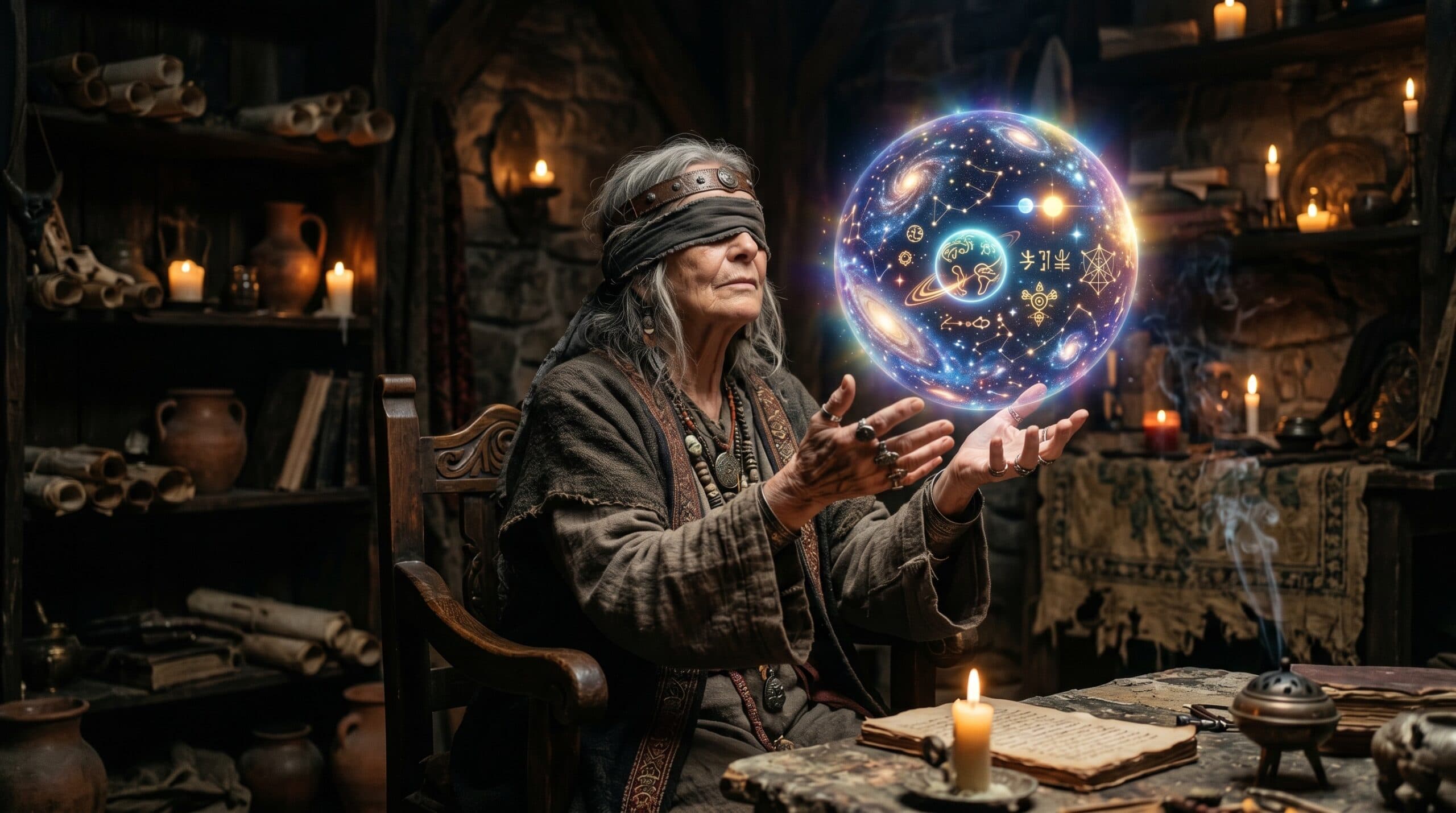
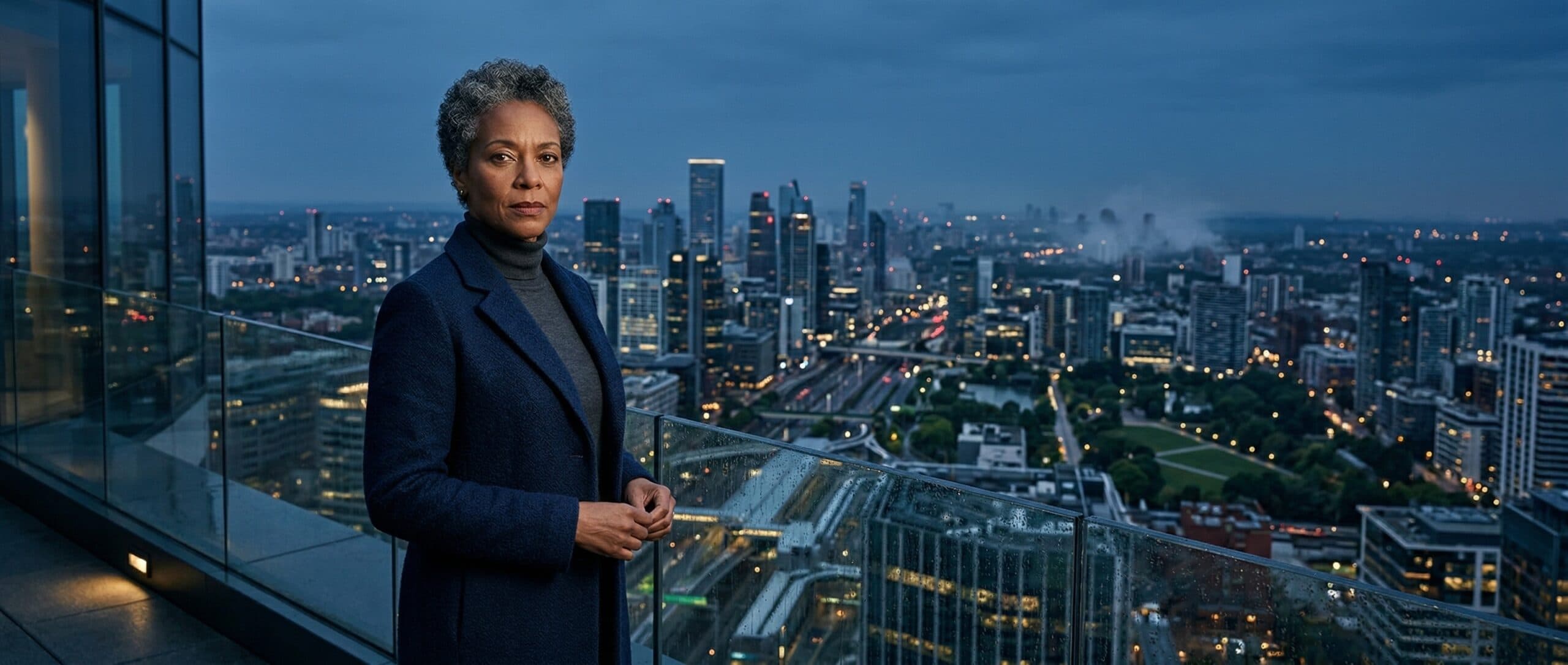
An award-winning psychic whose earlier 2026 predictions allegedly came true has issued five new premonitions for the rest of the year, according to Express.co.uk. She is far from alone — 2026 has become the biggest psychic prediction cycle in recent memory, driven by Baba Vanga forecasts, a viral Nostradamus TikTok baby, and a wave of online seers claiming vindication.

Predictive claims are nothing new. But the 2026 cycle is different in scale, speed, and cultural saturation. Multiple psychics, remote viewers, and prophecy channels are competing for attention in a media environment where algorithmic distribution rewards fear, urgency, and the promise of hidden knowledge. The result is a self-reinforcing loop: predictions go viral, events happen that can be retrofitted to match, the psychic claims vindication, and the next round of predictions arrives with even more authority. Psychic predictions 2026 content is now among the highest-engagement material in the entire unexplained niche.

What This Story Actually Says

Express.co.uk reported that the psychic — whose name has been withheld in some coverage — made a series of predictions earlier in 2026 that she now claims have been confirmed by unfolding events. These reportedly include geopolitical tensions, extreme weather events, and celebrity-related occurrences. She has followed up with five new premonitions covering the remainder of the year, though specific details vary across outlets reporting the same story.

This fits a well-established media pattern. Express.co.uk and similar outlets regularly cover psychic predictions because they generate enormous reader engagement. The format is proven: a psychic makes claims, the claims are vague enough to match multiple outcomes, events occur that loosely fit, and the psychic is presented as having been “right.”

Why This Topic Spreads So Easily

Psychic prediction content has a structural advantage over almost every other content type in the unexplained space: it’s unfalsifiable at the moment of publication. A prediction about “tensions in the East” or “a surprise in the entertainment world” can match dozens of real events. By the time the prediction can be checked, the audience has moved on — but the memory of “she predicted this” persists.

It also connects to genuine anxiety. In a year marked by geopolitical instability, economic uncertainty, and rapid technological change, audiences are actively looking for someone who appears to know what’s coming. Psychics fill that role whether or not their track record holds up to scrutiny. Pew Research has documented consistently that a significant minority of Americans believe in psychic abilities — a stable base of potential engagement that platforms are happy to serve.

What the Evidence Actually Supports

No psychic has ever demonstrated predictive ability under controlled laboratory conditions that meets the standards of mainstream science. The Skeptical Inquirer has documented decades of failed tests, including the famous Randi Foundation challenge, which offered one million dollars to anyone who could demonstrate psychic powers under agreed-upon conditions. No one ever claimed the prize.

What the evidence does support is that confirmation bias is extraordinarily powerful in this context. When a psychic makes twenty vague predictions and two of them loosely match real events, audiences remember the two hits and forget the eighteen misses. This isn’t deception — it’s a genuine feature of human cognition that prediction content exploits by design.

What Skeptics Say

Skeptics argue that the entire psychic prediction ecosystem functions as a confirmation bias delivery machine. Predictions are framed broadly enough to be unfalsifiable, published in high-volume formats where individual misses are forgotten, and retroactively connected to events through narrative framing rather than precise dates, names, or details. The cycle repeats because it works — not because predictions come true, but because the human brain is wired to find patterns even where none exist.

Why It Matters

This isn’t just about one psychic or one set of predictions. The 2026 prediction cycle matters because it shapes real behavior. Audiences don’t consume these passively — they make financial, social, and emotional decisions based on what they think is coming. Doomscrolling, panic buying, relationship decisions driven by “signs” — these are real consequences of a prediction culture that incentivizes alarm over accuracy.

The Bigger Pattern

The psychic predictions 2026 cycle connects directly to the broader phenomenon of prophetic content merging with UFO disclosure culture, conspiracy communities, and mainstream anxiety. Baba Vanga’s prophecies, Nostradamus interpretations, remote viewing communities, and political prophecy channels are converging into a single narrative ecosystem where every global event is a “sign” and every psychic is a potential oracle. That convergence is what makes 2026 feel different from previous prediction years — the ecosystem is bigger, faster, and more interconnected than ever.

Final Assessment

The award-winning psychic’s new predictions will likely generate massive engagement, some loose matches with future events, and a fresh round of vindication claims. That is how prediction culture works. Whether any individual prediction “comes true” is almost beside the point — the system rewards the appearance of accuracy, not accuracy itself. The smartest approach is to track predictions against outcomes with specificity and dates, and to remember that the eighteen misses matter as much as the two hits.

Frequently Asked Questions

Has any psychic ever proven their predictions under scientific testing?

No. Decades of controlled testing, including the James Randi Foundation’s million-dollar challenge, have failed to produce a single verified case of psychic prediction ability under agreed-upon scientific conditions.

Why do people believe psychic predictions?

Confirmation bias plays a major role — people remember hits and forget misses. Additionally, psychic predictions provide a sense of control and certainty in uncertain times, which is psychologically appealing regardless of accuracy.

What makes 2026 different from other prediction years?

The convergence of multiple prediction traditions (Baba Vanga, Nostradamus, remote viewing, political prophecy), combined with social media amplification and geopolitical anxiety, has created a larger and more interconnected prediction ecosystem than in previous years.

Related Articles

This article was created using Media Blaster – Your content production specialist. Visit www.mediablaster.io for more information.

Daily briefing

The Unexplained Daily Briefing

A fast, free email with the best new episodes, investigations, and strange developments from the world of the unexplained—curated so you don't have to watch the site.

Free • Quick to read • Unsubscribe anytime

Keep listening

Continue with the latest audio