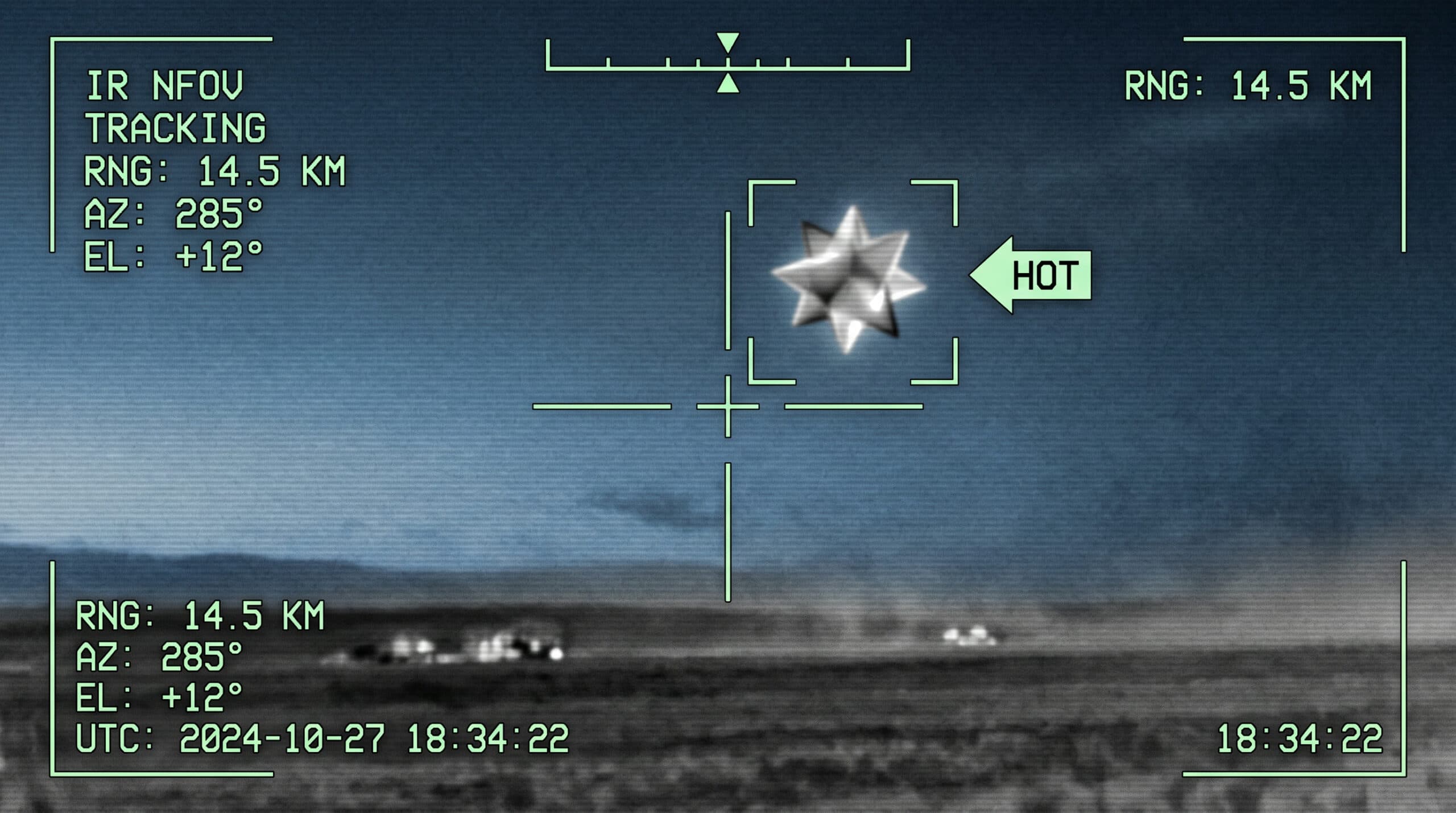

The recent findings regarding UFO debris discovered off the coast of New Guinea have sparked intense discussions in the scientific community. After a year of meticulous analysis, researchers have concluded that this debris originates from another solar system, challenging our understanding of extraterrestrial life.
Key Takeaways
- Extraterrestrial Origins: The debris is confirmed to be from outside our solar system.
- Unusual Composition: The materials found are unlike any known natural substances.
- Potential Nuclear Connection: Some elements suggest advanced technology, possibly nuclear powered.
The Search For Extraterrestrial Life
For decades, humanity has searched for signs of extraterrestrial civilizations. Traditional methods, like listening for radio signals, have proven largely ineffective. As Dr. Avi Loeb suggests, we should instead look for physical evidence that may have already arrived on Earth.
The Discovery of IM1
On January 8, 2014, an object known as IM1 collided with Earth. This object was tracked by the U.S. military, which confirmed its extraordinary speed of 60 km/s—faster than 95% of stars near the Sun. Unlike typical meteors, IM1 disintegrated in the atmosphere without being completely destroyed, raising questions about its composition and origin.
Advertisement
The Expedition
In June 2023, Dr. Loeb and his team conducted an expedition to the Pacific Ocean, near Manis Island, to collect debris from the impact site. They used advanced equipment, including a sled with magnets, to gather 850 tiny spheres, each less than a millimeter in size. These spheres were significant as they resembled remnants typically found after a meteor impact.
Analyzing the Debris
Initial analysis revealed that 78% of the spheres were consistent with conventional meteoric materials. However, 22% exhibited unusual characteristics, containing high levels of beryllium, lanthanum, and uranium—elements typically associated with artificial objects and nuclear technology.
Composition Breakdown
| Element | Percentage | Significance |
|---|---|---|
| Beryllium | High | Used in nuclear reactors to control reactions. |
| Lanthanum | High | Found in hydrogen storage and lighting. |
| Uranium | High |