
Key Takeaways
- What happened: From 1953, the CIA ran Project MKULTRA, a vast behavioral modification effort that funded around 149 subprojects involving universities, hospitals, and clinics.
- What evidence shows: Declassified CIA documents, congressional reports from the Rockefeller Commission and the Church Committee (1975–76), and survivor testimony confirm non-consensual experiments with LSD dosing, hypnosis, sensory deprivation, prolonged drug-induced sleep, and abusive electroshock treatments.
- What remains uncertain: Major internal records were destroyed in 1973 by order of DCI Richard Helms, leaving questions about how many people were harmed, the full scope of contractor and institution involvement, and whether any meaningful mind-control technology was achieved.
A Quiet Room, A Drink, and Cold War Shadows
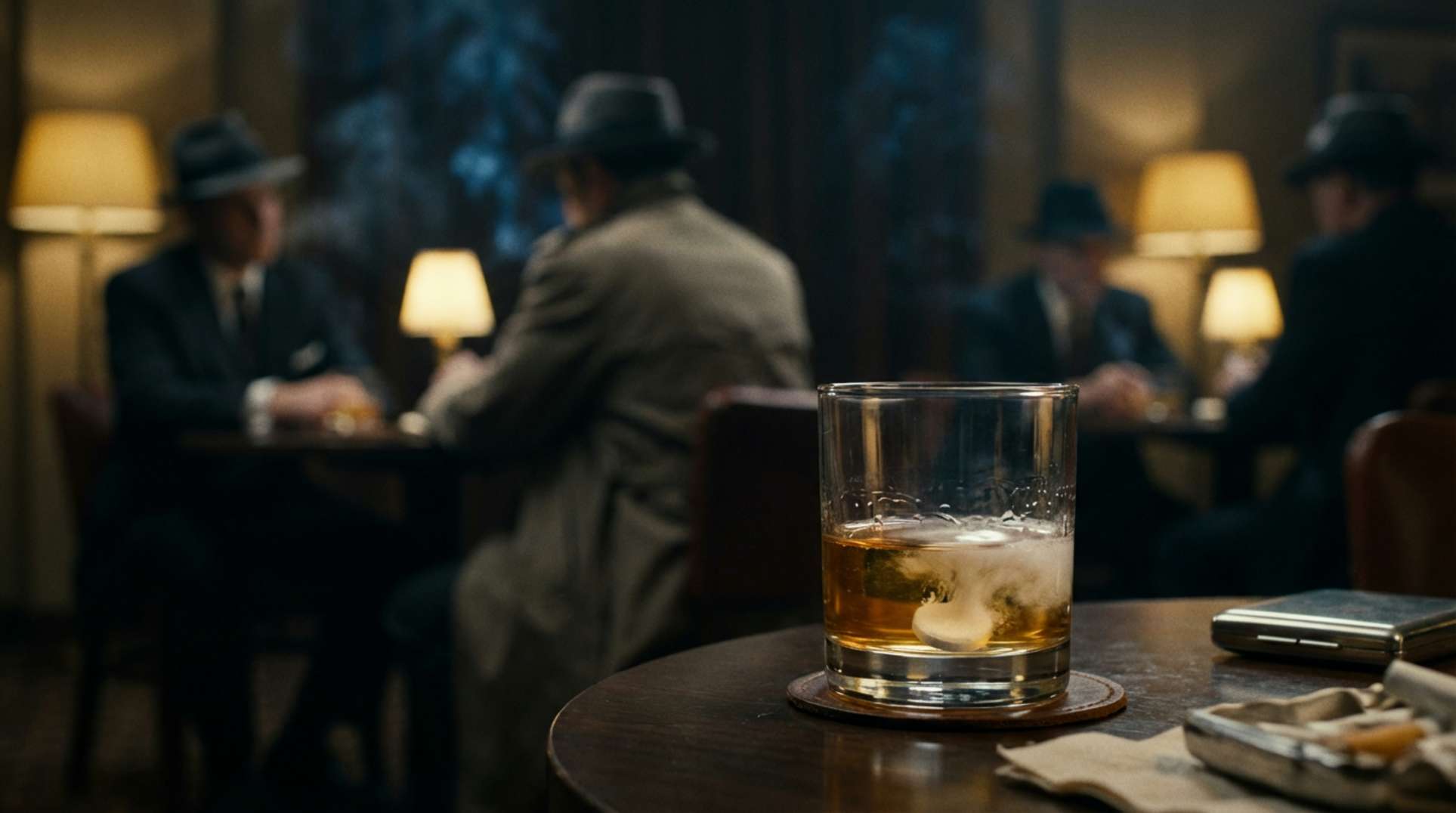
Picture this: November 1953. A government scientist named Frank Olson sits in a dimly lit room with colleagues, sipping a drink that’s been spiked with LSD without his knowledge. The air is thick with secrecy, the walls echoing the paranoia of the era. This was the Cold War—nuclear arms races, the Red Scare, fears of Soviet brainwashing techniques pushing the U.S. to extremes. Experiments unfolded in sterile hospital wards, university labs, and hidden safe houses. Subjects endured casual dosing, prolonged confinement, or ‘depatterning’ sessions that blurred the line between science and cruelty. The urgency felt real, but the human toll? That’s where the shadows deepen.
What Witnesses and Analysts Report
Survivors from sites like the Allan Memorial Institute describe lives shattered: persistent memory loss, personality shifts, erased skills, and Trauma that lingers decades later. Families stepped up, too—the Olson family, for instance, fought for answers after Frank’s covert LSD dosing led to his fatal fall from a New York hotel window on November 28, 1953. Their persistence, along with other testimonies, fueled the Rockefeller Commission and Church Committee inquiries in 1975–76. Independent voices like journalists John Marks and Stephen Kinzer have pieced together the puzzle, concluding that while MKULTRA backed unethical experiments, proof of reliable mind control is thin. And in our circles, you’ve heard the fringe takes—telepathy, remote viewing, even ‘ethereal bindings’—born from anecdotes and those yawning gaps in the record.
Timelines, Tracks, and Hard Data
The story unfolds in stark dates and figures, pieced from what’s left after the purges. Project MKULTRA kicked off in 1953 under CIA auspices, spearheaded by figures like Sydney Gottlieb. By 1973, Director Richard Helms ordered most files destroyed, hobbling later probes. Exposure came in 1975 with the Rockefeller Commission, followed by the Senate’s Church Committee hearings into 1976, which slammed the ethical lapses. Scale? Surviving docs point to 149 subprojects, roping in dozens of colleges (44 by one count), hospitals (12), and prisons. Key players: Dr. D. Ewen Cameron at McGill’s Allan Memorial Institute (Subproject 68), funded with about $69,000 through fronts from 1957–1964; George Hunter White running safe houses for dosing ops. Experiments cataloged include LSD on unwitting subjects, hypnosis, sensory deprivation, drug-induced comas, depatterning, and intense ECT. The Olson family got a $750,000 settlement in 1975. Primary docs? Hit the CIA FOIA Reading Room for declassified PDFs on MKULTRA—cite those subproject IDs for traction.
Did MKULTRA really happen, or is it just a theory? What evidence supports the claims of abuse? How did officials respond to the revelations? Were there any successful mind-control outcomes? What open questions remain? How can I investigate further?