In a fascinating exploration of the ocean’s depths, marine biologists have finally identified the origins of several mysterious underwater sounds. These sounds, previously thought to be unexplainable, have been traced back to specific marine creatures, shedding light on the complex communication methods of ocean life.
Key Takeaways
- The Biotwang sound was recorded near the Mariana Trench and is linked to Bryde’s whale.
- The Bioduck sound has been a mystery for decades, possibly linked to Antarctic minke whales.
- The infamous Bloop sound was identified as an icequake, not a marine creature.
The Enigmatic Biotwang
The Biotwang is a mysterious underwater sound first recorded in 2014 near the Mariana Trench. It begins with a deep rumble, reminiscent of a humpback whale’s call, but concludes with a strange high-frequency component that sounds almost synthetic. Initially, researchers believed it was a marine mammal, but identifying the exact source proved challenging.
The Bioduck Mystery
Another intriguing sound is the Bioduck, first recorded in the Southern Ocean in 1960. For years, it was considered the largest unresolved mystery of the ocean. The Bioduck can be heard year-round in the Antarctic, with its seasonal patterns suggesting a widespread distribution or a complex migration pattern among different populations.
Advertisement
The Bloop: A Famous Sound
Perhaps the most famous unidentified sound is the Bloop, recorded in 1997. This sound was so loud that it was detected by underwater microphones over 3,000 miles apart. Initially thought to be from a marine mammal, it was later identified as an icequake, caused by the movement of large ice masses.
The Role of Sound in Marine Life
Marine mammals, such as dolphins and whales, rely heavily on sound for communication and navigation. Unlike land mammals, their other senses are limited underwater. Sound travels faster and farther in water, making it an essential tool for these creatures. For instance, fin whales use sound channels to communicate over long distances, while the U.S. Navy has utilized underwater sound surveillance systems for tracking purposes.
Identifying the Biotwang
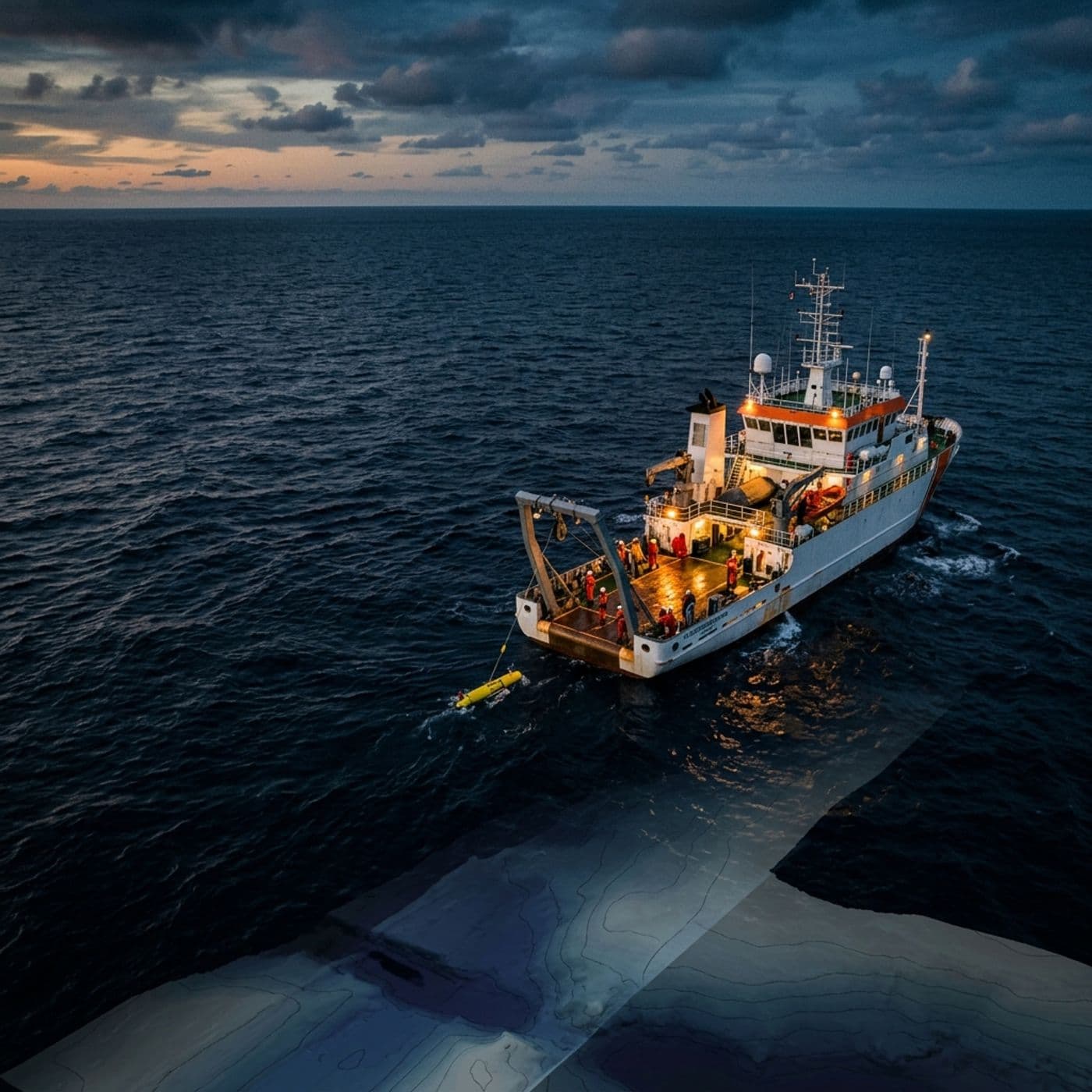
After extensive research, scientists linked the Biotwang to the Bryde’s whale. This identification was made possible through the analysis of recordings from NOAA’s hydrophone array. Researchers discovered that Bryde’s whales were present whenever the Biotwang was recorded, confirming their role in producing this unique sound.