Navigating the New World: Essential Survival Skills for…
Ancient Civilizations
Navigating the New World: Essential Survival Skills for Post-Apocalyptic Scenarios
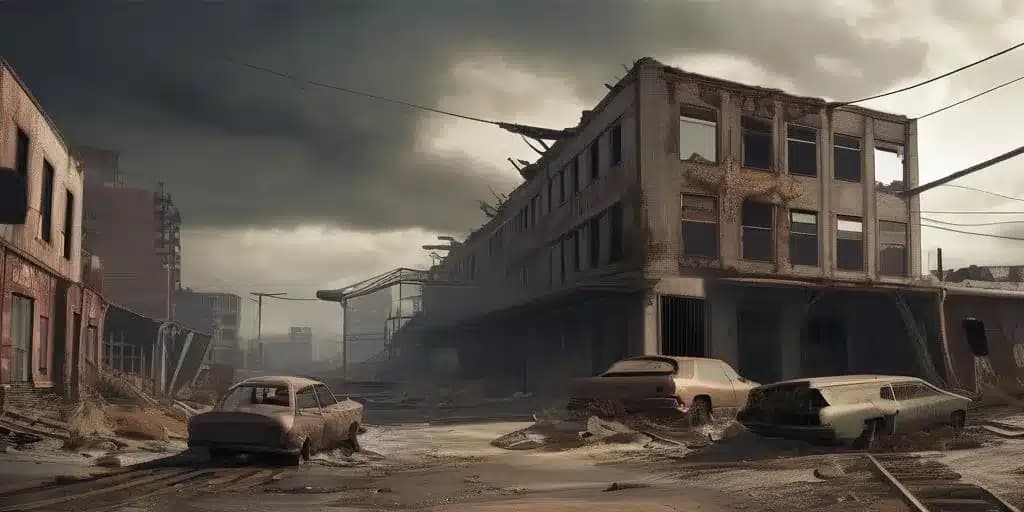
In a post-apocalyptic world, survival skills are essential for navigating the new world and ensuring the safety and well-being of oneself and others. This article explores the key survival skills for post-apocalyptic…
Art Grindstone is the hard-nosed storyteller behind Unexplained.co, a veteran investigator whose life’s work sits at the crossroads of the paranormal, fringe science, and the shadows most people try not to look into. With decades spent chasing impossible stories — black-budget psychic programs, vanished Cold War experiments, desert rituals that sparked UFO waves, and the strange phenomena buried in America’s forgotten backroads — Art brings a rare combination of skepticism, awe, and journalistic precision. He’s not here to debunk. He’s not here to blindly believe. He follows the evidence wherever it leads — even when it leads someplace deeply uncomfortable. Known for his immersive, cinematic style and his ability to turn obscure research into gripping narrative, Art has built a devoted following across podcasts, long-form features, documentaries, and serialized investigations. His interviews are direct. His analysis is unflinching. His voice has become a staple in the modern paranormal renaissance — the guy people turn to when a story is too strange, too complex, or too dangerous for anyone else to touch. Off-mic, Art works with a distributed network of researchers, archivists, and field operatives who help surface the stories mainstream media ignores. On-mic, he transforms their findings into meticulous, high-impact reporting that refuses to insult the intelligence of true believers. His philosophy is simple: Take the phenomenon seriously. Treat the audience with respect. Tell the story as if the world depends on it — because sometimes it does. When Art Grindstone digs into a case, he isn’t just chasing a mystery. He’s tracing the fault lines of reality itself.
5 min · 1,146 words
In This Report(14)
In a post-apocalyptic world, survival skills are essential for navigating the new world and ensuring the safety and well-being of oneself and others. This article explores the key survival skills for post-apocalyptic scenarios, including food sourcing and foraging, building secure shelters, self-defense and security measures, and off-the-grid power generation.
These skills are crucial for individuals to thrive in a world without the comforts of modern society, and they provide the necessary knowledge to adapt and overcome the challenges of a post-apocalyptic environment.
Key Takeaways
Food Sourcing and Foraging
Building Secure Shelters
Self-Defense and Security Measures
Off-the-Grid Power Generation
Adaptability and Resourcefulness
Essential Survival Skills for Post-Apocalyptic Scenarios
Advertisement
Food Sourcing and Foraging
In a post-apocalyptic world, your supermarket is the wild. Foraging is your new shopping spree. Learn to identify edible plants and mushrooms, but beware of poisonous look-alikes. Remember, nature is your pantry now.
When in doubt, follow the universal edibility test. If it looks good, smells good, and a small portion doesn’t irritate, you might have found a meal.
Master the art of trapping and hunting. Small game can be a reliable food source. Here’s a quick list to get you started:
Learn to set snares for rabbits and squirrels.
Fishing can be a tranquil yet fruitful endeavor.
Insects are high in protein; don’t discount them.
Preservation is key. Smoking, drying, and salting can make your food last. Start a survival garden. Seeds are gold; protect them like your life depends on it because it does.
Building Secure Shelters
In a world turned upside down, your home is your fortress. Safety starts with a secure shelter. Constructing a robust refuge is not just about piling up logs; it’s about strategic planning and execution. Start by choosing a discreet location, away from potential threats and prying eyes.
Location: Elevated areas prevent flooding and offer a strategic view.
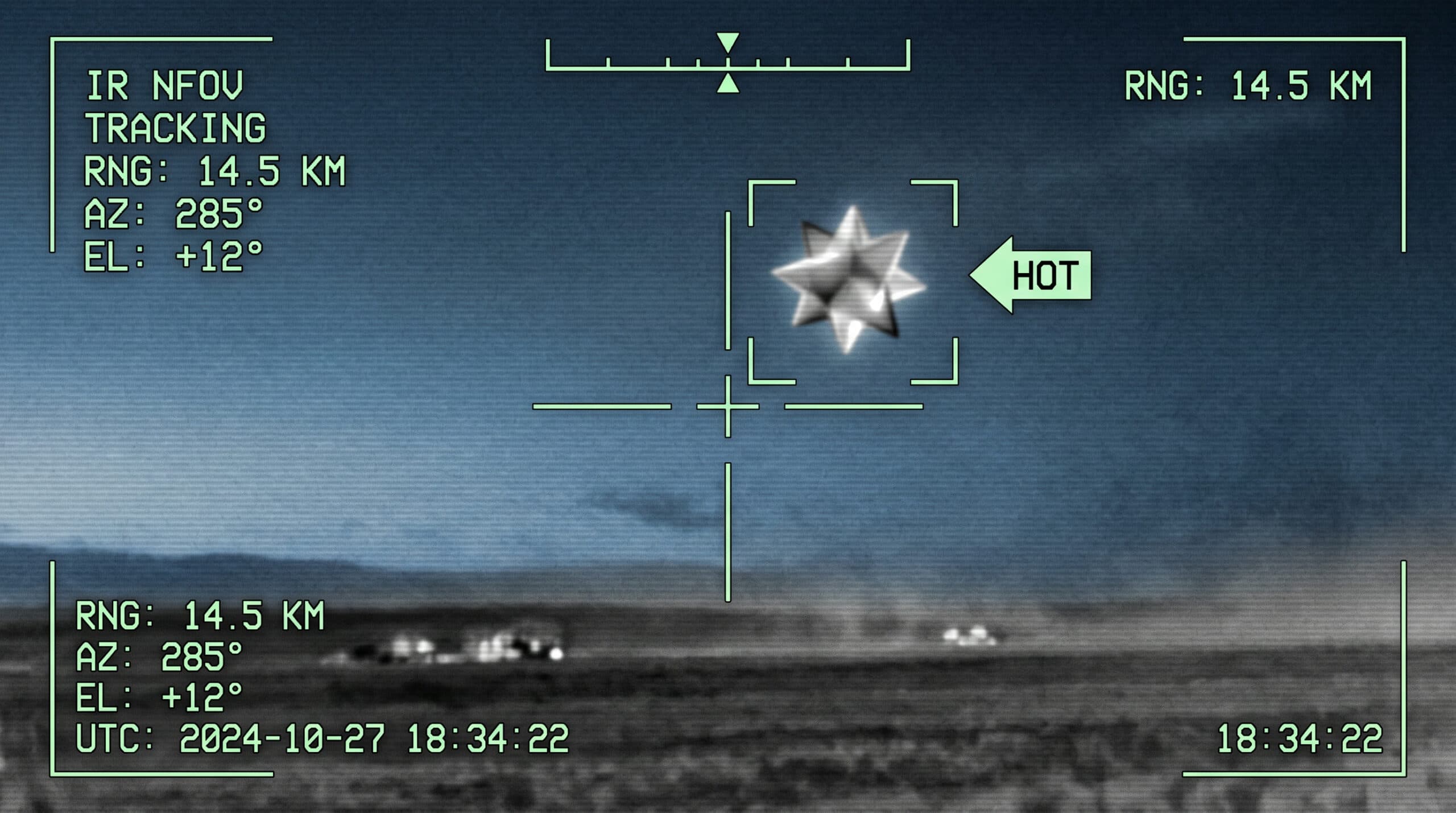
Ukrainian Defense Ministry Advisor Posts Star-Shaped UAP Video — and the Close-Ups Look Nothing Like a Drone
Serhii ‘Flash’ Beskrestnov released footage of a structured, star-shaped craft over Ukraine that has UFO researchers examining every frame for proof.
May 14, 2026 • 6 min read
Space
A ‘Black Hole Star’ May Be Hiding Inside the Early Universe’s Red Dots
One crimson point in the infant universe is so bright that ordinary starlight cannot explain it. A new Nature study argues it may be a dense gas envelope powered from within by a growing black hole.
Aug 20, 2026 • 8 min read
Strange History
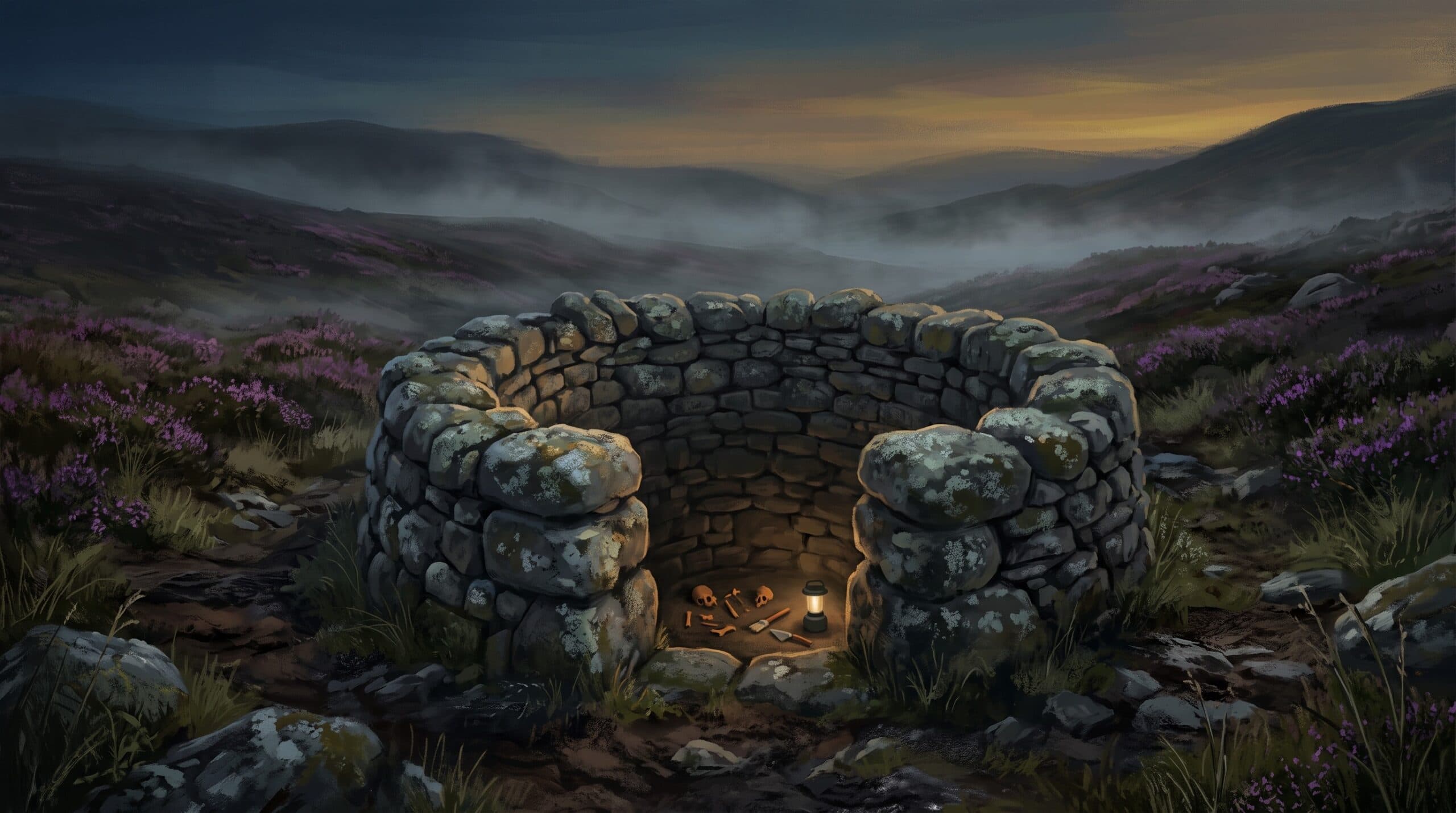
The Scottish Well Burial That May Have Been an Iron Age Closing Ritual
A 2,000-year-old burial in a stone-lined Scottish well may record an Iron Age closing ritual—but the bones still hold the strangest clues.
Aug 19, 2026 • 8 min read
Materials: Use sturdy, fire-resistant materials.
Design: Think defensibility, with minimal entry points.
Remember, the simpler, the better. A complicated structure can become a liability.
Your shelter is your survival hub. It must be built to withstand not just the elements, but any unwelcome visitors.
Consider the climate when designing your shelter. Insulation is key in cold environments, while ventilation is a must in hotter regions. And don’t forget to camouflage! Blending in with the surroundings can make your shelter virtually invisible.
Lastly, always have a contingency plan. If your shelter is compromised, know where to go next. Survival is about adaptability. Stay sharp, stay safe.
Self-Defense and Security Measures
In a post-apocalyptic world, your safety is paramount. Equipping yourself with self-defense skills is not just smart; it’s necessary. From hand-to-hand combat to strategic planning, you need to be prepared for anything.
Awareness is your first line of defense. Always be conscious of your surroundings and potential threats. This isn’t paranoia; it’s survival. Learn to trust your instincts. If something feels off, it probably is.
Here’s a quick rundown of security measures to consider:
Martial Arts: Pick a style that suits you and practice regularly.
Weapons Training: Know how to handle knives, guns, and improvised weapons.
Environmental Hazards: Use the terrain to your advantage; understand how to navigate and utilize it against threats.
Companion Coordination: If you’re not alone, work out signals and strategies with your group.
Remember, the goal isn’t to fight; it’s to survive. Avoid confrontation when possible, but be ready to defend yourself if necessary.
Advertisement
Finally, don’t underestimate the value of a secure shelter. A well-fortified base can deter many threats. Combine physical fortifications with smart tactics, and you’ll increase your chances of staying safe in a dangerous new world.
Off-the-Grid Power Generation
When the grid goes down, you’re on your own. Generating your own power is not just a skill; it’s a lifeline. Solar panels and wind turbines might spring to mind, but there’s more to off-grid energy than sunny days and blustery afternoons.
Start by understanding the basics. Solar power requires photovoltaic cells, and wind energy hinges on turbines. But remember, energy storage is key. Without batteries to store what you generate, you’re only powered when the sun shines or the wind blows. Consider a dual system for redundancy.
Here’s a quick rundown of power sources:
Solar: Harness the sun, even on cloudy days.
Wind: Ideal for open, high-wind areas.
Hydro: If you’re near running water, a micro-hydro generator is a steady source.
Biofuel: Generate gas from organic waste.
Don’t forget maintenance. Off-grid systems require regular checks to ensure efficiency and longevity.
Dive into DIY guides like ‘DIY Solar Power for Beginners’ or ‘The Official U.S. Army Survival Guide’. They’re treasure troves of practical advice. And remember, practice makes perfect. Start small, scale up, and always have a backup plan.
Conclusion
In conclusion, navigating the new world requires essential survival skills for post-apocalyptic scenarios. From practical water collection to fortifying and defending your home, from foraging for food to first aid and medical treatments, the key to survival lies in self-sufficiency and preparedness. This comprehensive guide provides step-by-step strategies and techniques for off-the-grid living, ensuring that you are equipped to thrive in the face of long-term crises. Whether it’s building community resilience or honing wilderness survival skills, this guide is a valuable resource for anyone seeking to navigate the challenges of a post-apocalyptic world.
Frequently Asked Questions
What are the essential survival skills for post-apocalyptic scenarios?
The essential survival skills for post-apocalyptic scenarios include food sourcing and foraging, building secure shelters, self-defense and security measures, and off-the-grid power generation.
How can I prepare for long-term survival in a post-apocalyptic scenario?
To prepare for long-term survival in a post-apocalyptic scenario, it is important to learn practical water collection, storing, growing, hunting, and foraging for food, first aid and medical treatments, and techniques for fortifying and defending your home.
What resources are available for learning survival skills?
There are various resources available, including books on prepping, survivalist guides, and online courses that teach practical skills such as water collection, food sourcing, shelter building, and self-defense.
What are some recommended books for learning survival skills?
Some recommended books for learning survival skills include “Prepper’s Long-Term Survival Guide: Food, Shelter, Security, Off-the-Grid Power and More Life-Saving Strategies for Self-Sufficient Living” and “Bushcraft 101: A Field Guide to the Art of Wilderness Survival.”
How can I build off-the-grid power generation systems?
You can build off-the-grid power generation systems using renewable energy sources such as solar panels, wind turbines, and hydroelectric generators. It is important to learn the techniques and tactics for setting up and maintaining off-the-grid power systems.
What are some common challenges in post-apocalyptic scenarios?
Some common challenges in post-apocalyptic scenarios include access to clean water, food scarcity, security threats, and the need for self-sufficiency in energy and resources. It is important to be prepared for these challenges and learn practical survival skills to overcome them.
Art Grindstone is the hard-nosed storyteller behind Unexplained.co, a veteran investigator whose life’s work sits at the crossroads of the paranormal, fringe science, and the shadows most people try not to look into. With decades spent chasing impossible stories — black-budget psychic programs, vanished Cold War experiments, desert rituals that sparked UFO waves, and the strange phenomena buried in America’s forgotten backroads — Art brings a rare combination of skepticism, awe, and journalistic precision. He’s not here to debunk. He’s not here to blindly believe. He follows the evidence wherever it leads — even when it leads someplace deeply uncomfortable. Known for his immersive, cinematic style and his ability to turn obscure research into gripping narrative, Art has built a devoted following across podcasts, long-form features, documentaries, and serialized investigations. His interviews are direct. His analysis is unflinching. His voice has become a staple in the modern paranormal renaissance — the guy people turn to when a story is too strange, too complex, or too dangerous for anyone else to touch. Off-mic, Art works with a distributed network of researchers, archivists, and field operatives who help surface the stories mainstream media ignores. On-mic, he transforms their findings into meticulous, high-impact reporting that refuses to insult the intelligence of true believers. His philosophy is simple: Take the phenomenon seriously. Treat the audience with respect. Tell the story as if the world depends on it — because sometimes it does. When Art Grindstone digs into a case, he isn’t just chasing a mystery. He’s tracing the fault lines of reality itself.