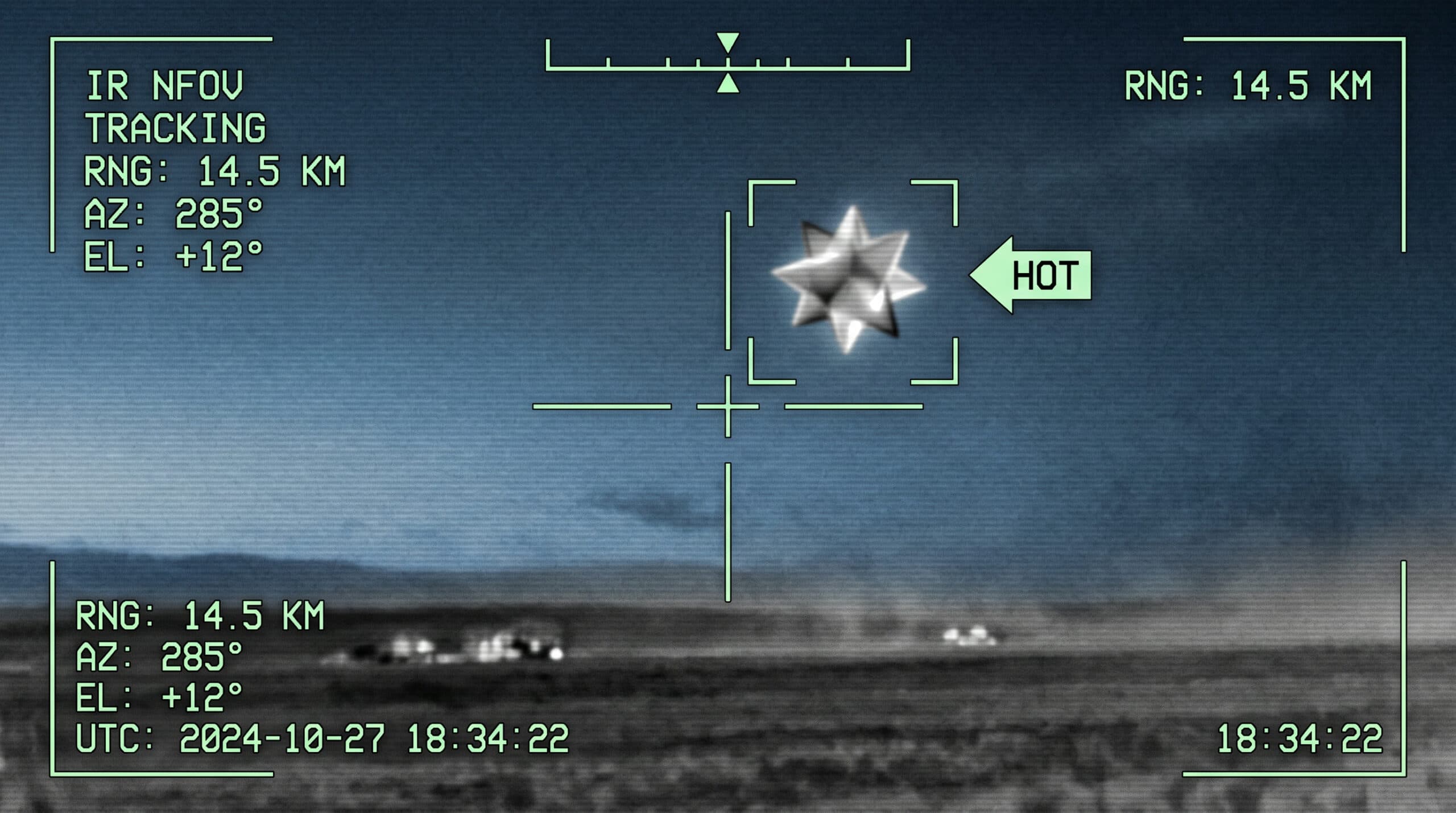

Researchers at the Chinese Academy of Sciences have made a groundbreaking discovery: plasma bubbles forming above the Great Pyramids of Giza. This phenomenon, thought to be superheated material, typically occurs at low latitudes after sunset. The implications of this finding could reshape our understanding of ancient technologies and their connection to natural forces.
Key Takeaways
- Plasma bubbles are superheated materials forming in the atmosphere.
- Their occurrence above the Great Pyramids raises questions about ancient technologies.
- Theories suggest the pyramids may have been energy sources.
- Ongoing research could revolutionize our understanding of energy generation.
What Are Plasma Bubbles?
Plasma is often referred to as the fourth state of matter. It consists of highly charged particles and is commonly found in stars, including our sun. The formation of plasma bubbles in the Earth’s atmosphere is usually linked to geomagnetic storms or solar activity. However, the appearance of these bubbles directly above the Great Pyramids has sparked curiosity among researchers.
The Mystery Above The Pyramids
The exact cause of these plasma bubbles remains a mystery. Some scientists propose that the unique shape and materials of the Great Pyramids might interact with the Earth’s electromagnetic field, facilitating the formation of these bubbles. This discovery has reignited interest in the pyramids as potential energy sources or focal points for natural electromagnetic phenomena.
Advertisement
Chris Dunn’s Controversial Theory
Chris Dunn, an engineering author, has put forth a fascinating theory regarding the Great Pyramid of Giza. He argues that the pyramid was not merely a tomb but a highly sophisticated power plant designed to harness and generate energy. In his book, "The Giza Power Plant: Technologies of Ancient Egypt," Dunn suggests:
- The pyramid’s internal structure and materials were specifically chosen to create a resonant energy device.
- It utilized the Earth’s natural vibrations and chemical reactions to produce hydrogen gas.
- This hydrogen gas could be converted into microwave energy for various purposes, including powering advanced machinery or transmitting energy wirelessly.
Advertisement