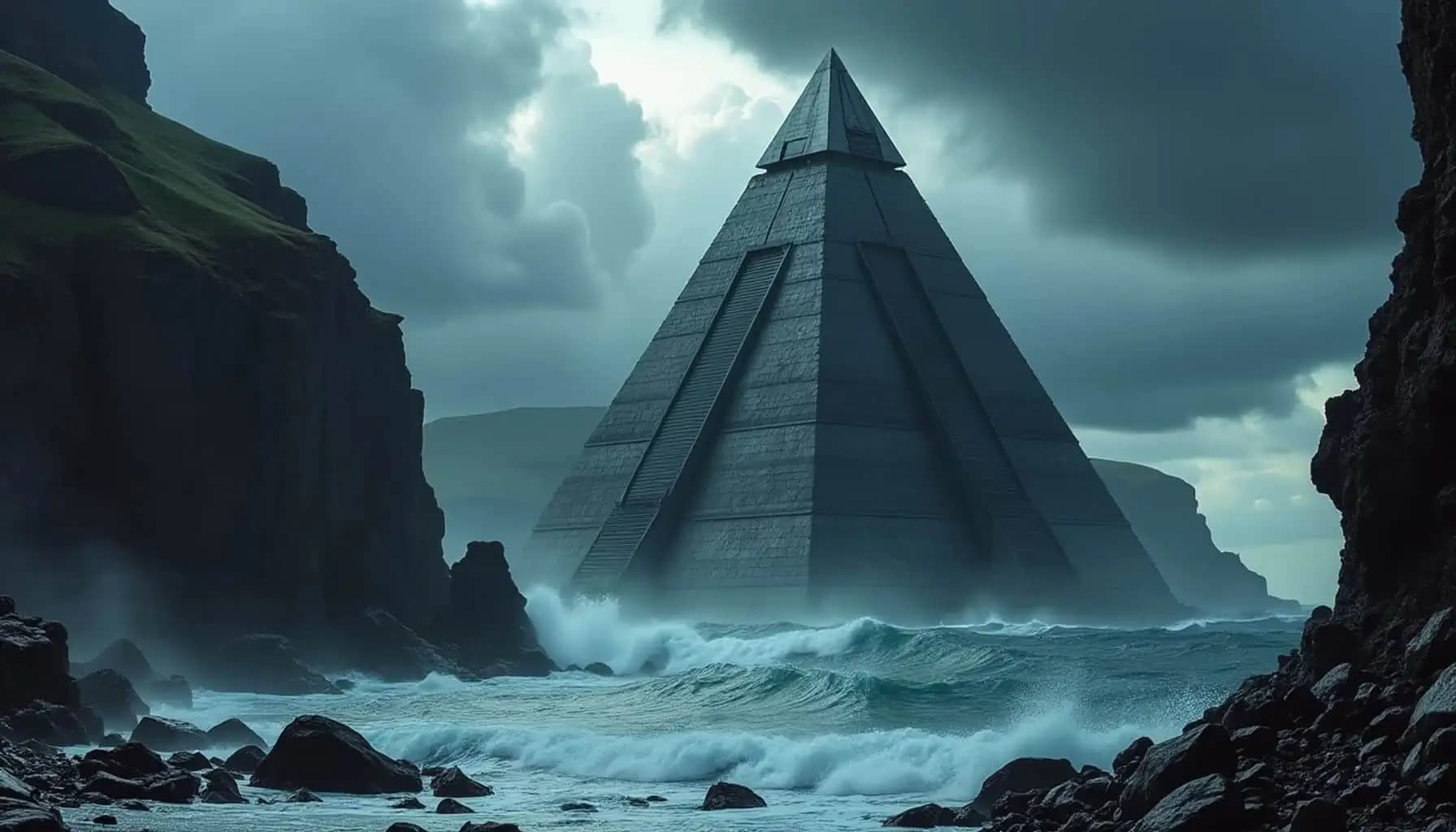

In a fascinating exploration of ancient mysteries, the Faroe Islands have emerged as a potential site for undiscovered pyramids. This article delves into the intriguing theories surrounding these structures, their historical significance, and the implications of their existence.
Key Takeaways
- The Faroe Islands may harbor ancient pyramids.
- Historical texts suggest a connection to the mythical King Kronos.
- The Hixus priests played a significant role in the region’s ancient history.
- Modern technology is revealing new insights into ancient structures.
The Mysterious Faroe Islands
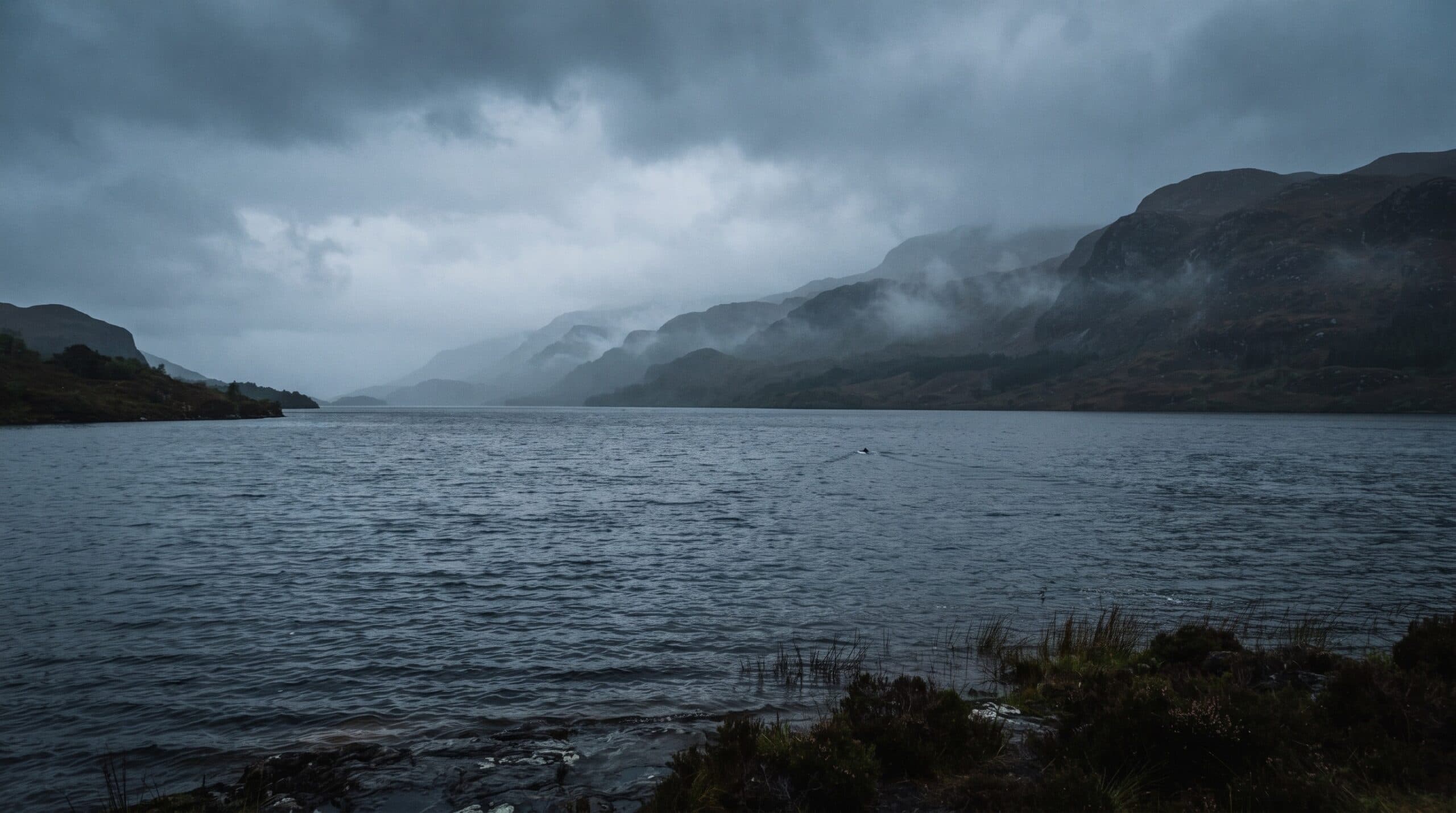
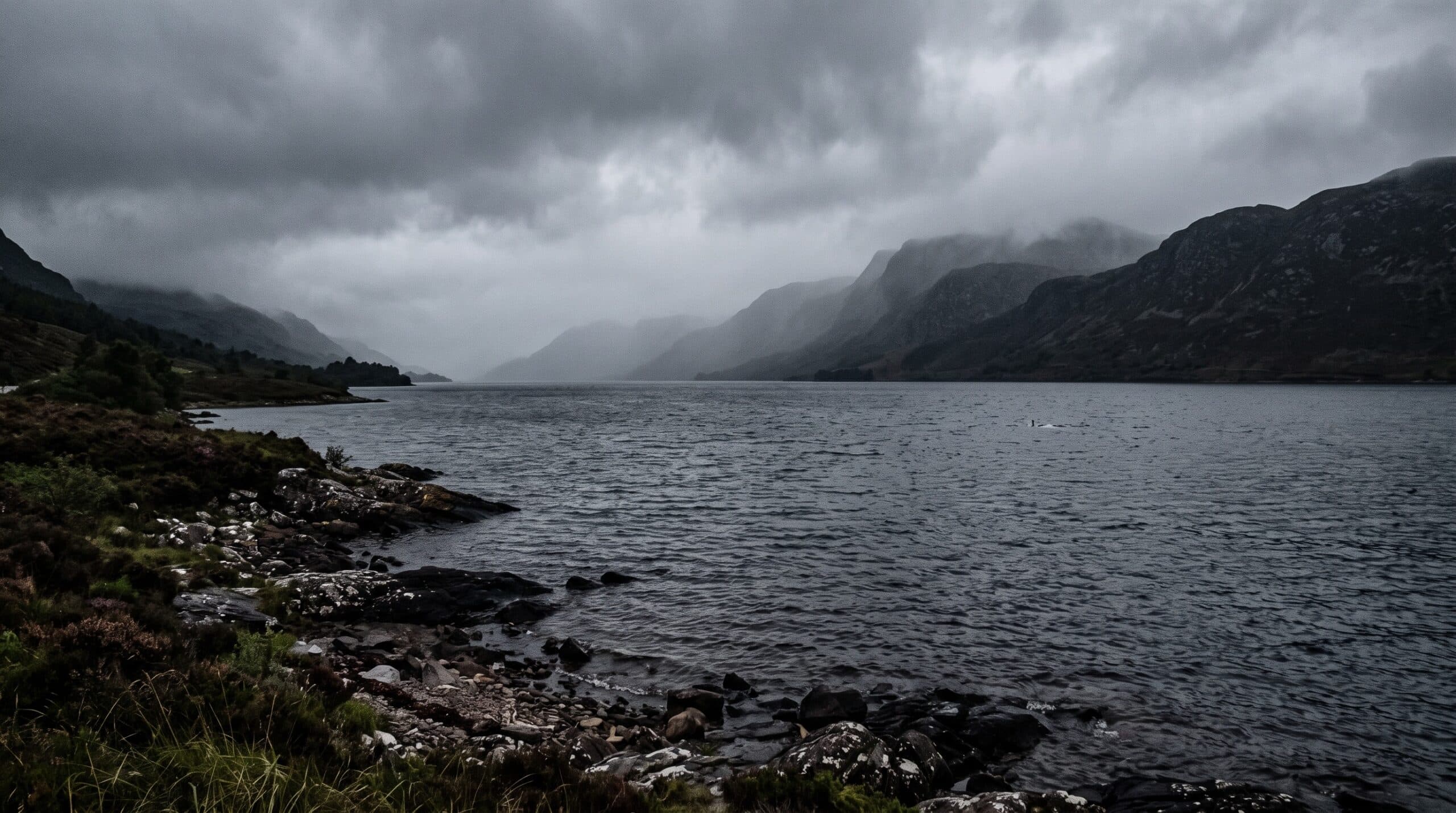
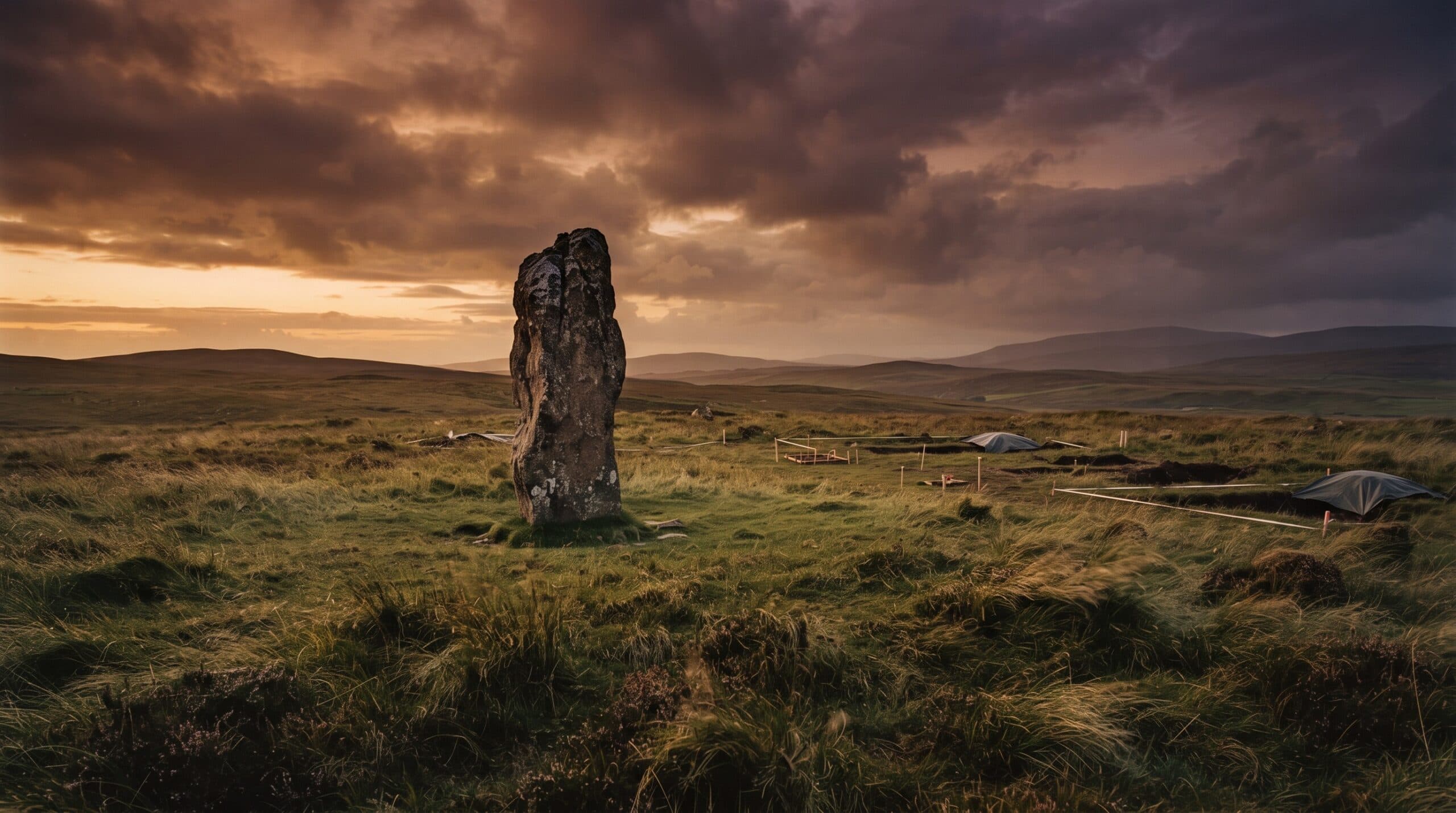
The Faroe Islands, often overlooked in discussions of ancient civilizations, are now at the center of a captivating investigation. Damian Bullan from Burnley has sparked interest in a long-lost island, believed to be the resting place of King Kronos. Ancient texts, particularly those from 2,000 years ago, describe this island as uninhabited, yet it was visited by a sect of priests every 30 years.
The Hixus Priests
The Hixus, an ancient group, are said to have claimed these sites as their own. They believed that the pyramids were significant landmarks, possibly housing the remains of Kronos. This belief raises questions about the true nature of these structures and their historical context.
Advertisement
The Search for Kronos’s Tomb
The quest for Kronos’s tomb continues, with speculation that it lies beneath Kiri, a mountain in Suduroy. Could there be an undiscovered Egyptian tomb hidden beneath a pyramid in the Faroe Islands? The secrecy surrounding this potential discovery hints at a larger narrative that challenges mainstream archaeology.
Erosion and Ancient Structures
Over millennia, erosion has transformed many ancient ruins into what appears to be natural formations. This phenomenon complicates the search for pyramids and other structures, as they may blend seamlessly into the landscape. Further research is essential to uncover the truth behind these ancient sites.
The Sacred Mountains of Tibet
Shifting focus to Tibet, the sacred mountain of Kailash is believed to be the resting place of the god Shiva. This mountain, often regarded as the axis of the world, has been the subject of intrigue for centuries. Some researchers suggest that Kailash may not be a natural formation but rather a man-made pyramid, hidden by the passage of time.
Advertisement