
Europe’s old divides clash with 21st-century brinkmanship. Last year, Russian incursions—including drone downings in Poland, fighter jet violations in Estonia, and overt nuclear threats—rekindled fears of Cold War flashpoints. According to ABC News, Russia’s recent airspace breaches prompted Estonia to invoke NATO’s Article 4, requesting emergency consultations and warning of a “pattern of increasingly irresponsible behavior.”
Russian Border Violations: Drones, Jets, and Baltic Brinkmanship
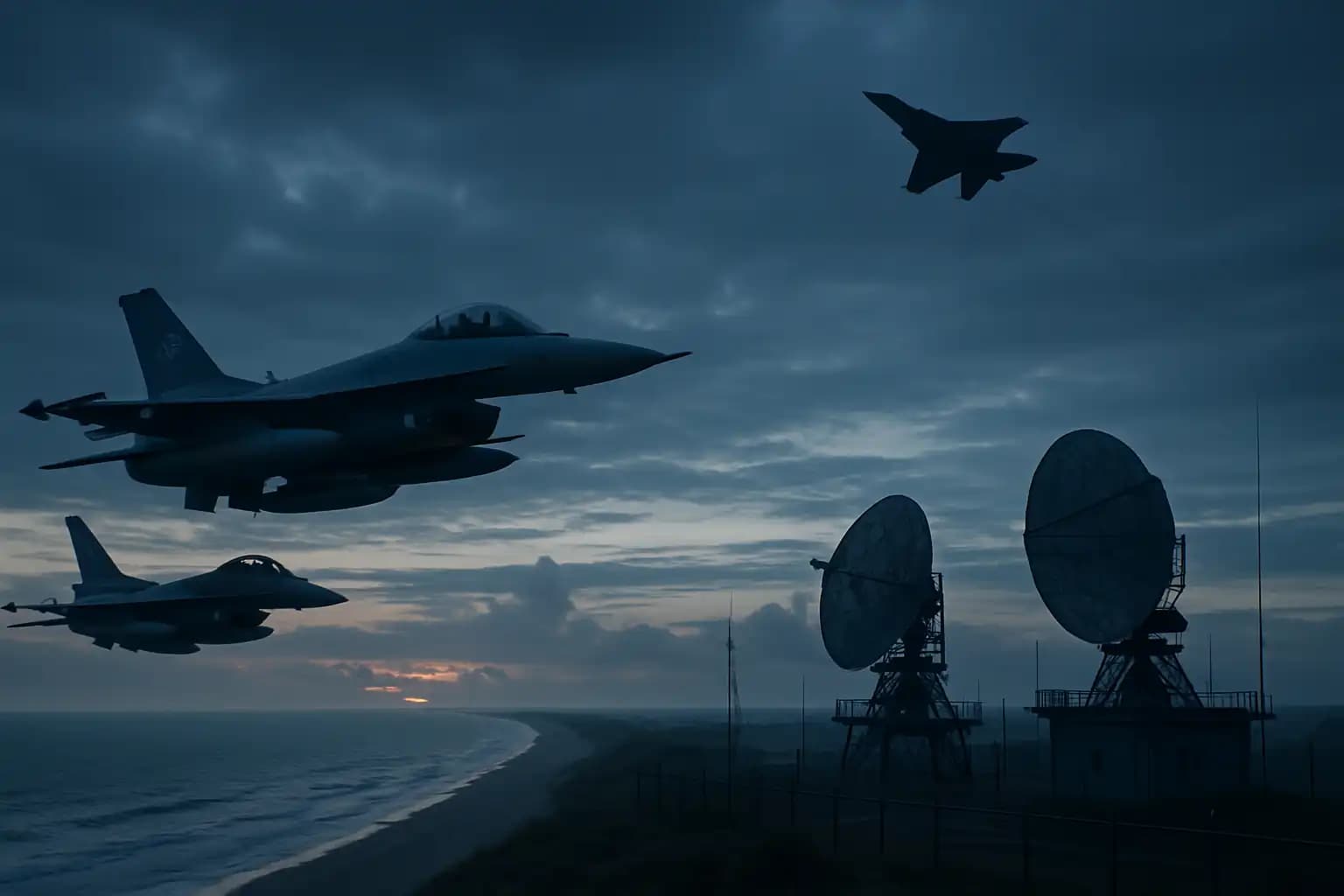
In September 2025, Polish and Estonian officials reported multiple provocations. Nineteen Russian drones breached Polish airspace, while MiG-29 jets violated northeastern NATO skies. Some incidents were brushed off by Moscow as “scheduled flights” or navigational errors. However, the psychological impact is significant. Experts cited by ABC argue these breaches are deliberate “gray zone” tactics, aimed at testing alliance unity and deterrence. This trend follows a buildup of Russian military and hybrid activities in the region, echoing issues outlined in reports like this analysis of hybrid warfare and the ongoing military escalation documented in archival incident footage.
Nuclear Deterrence Rhetoric: US Weapons, Russian Threats
Amid these tensions, Moscow’s nuclear rhetoric has escalated. In mid-2024, Russian state media spread maps indicating US nuclear weapon storage sites across Europe, highlighting NATO’s nuclear sharing arrangement (AFP Fact Check). Analysts point out these images are propaganda—veiled threats of potential targets, heightened following new deployments in Belarus and tactical nuclear drills near Ukraine. Yet, according to 2021 defense disclosures, around 100 US-owned nuclear warheads remain in five NATO nations, primarily for deterrence, not first-strike purposes. Nevertheless, Moscow’s heightened rhetoric, reported by sources like Breaking Defense, suggests any NATO member could be deemed a target if Russia perceives significant threats.
Advertisement
This alarming rhetoric aligns with recent global risk discussions found in and the historical paranoia detailed in .