Key Takeaways
- A disoriented man identifying himself as Sergei Ponomarenko appeared in Kyiv on April 23, 2006, claiming he had just been in 1958, backed by a Soviet-era ID and an old film camera with undeveloped photos.
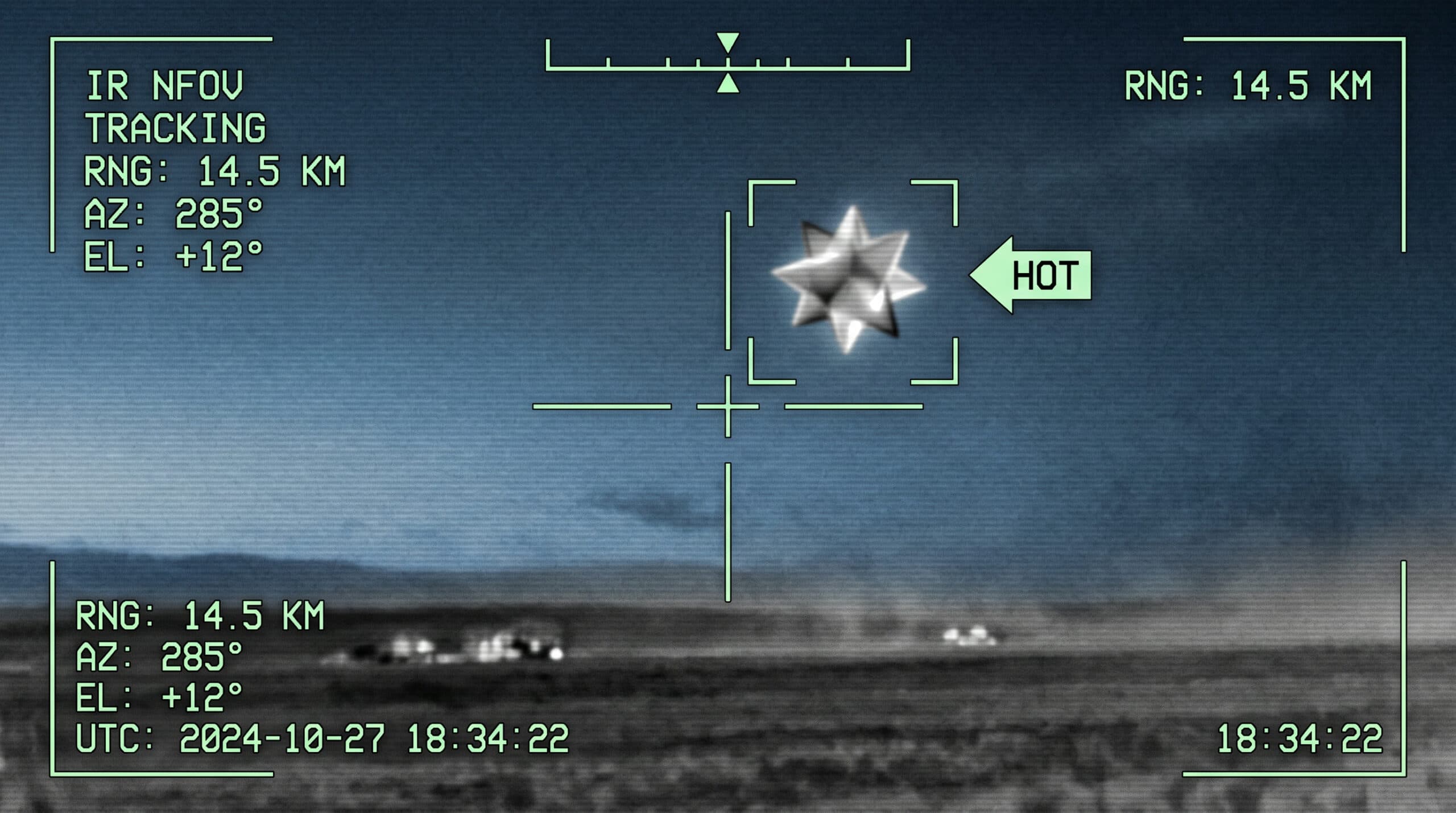
- Surviving evidence includes developed images showing mid-20th-century scenes, a woman, and a bell-shaped UFO, but modern checks trace some to TV footage or manipulations, with no primary records found.
- Unresolved issues persist around missing police and hospital documents, contested photo origins, and the man’s alleged disappearance, keeping the case in mystery rather than confirmed fact.
Kyiv, 2006: A Man Out of Time
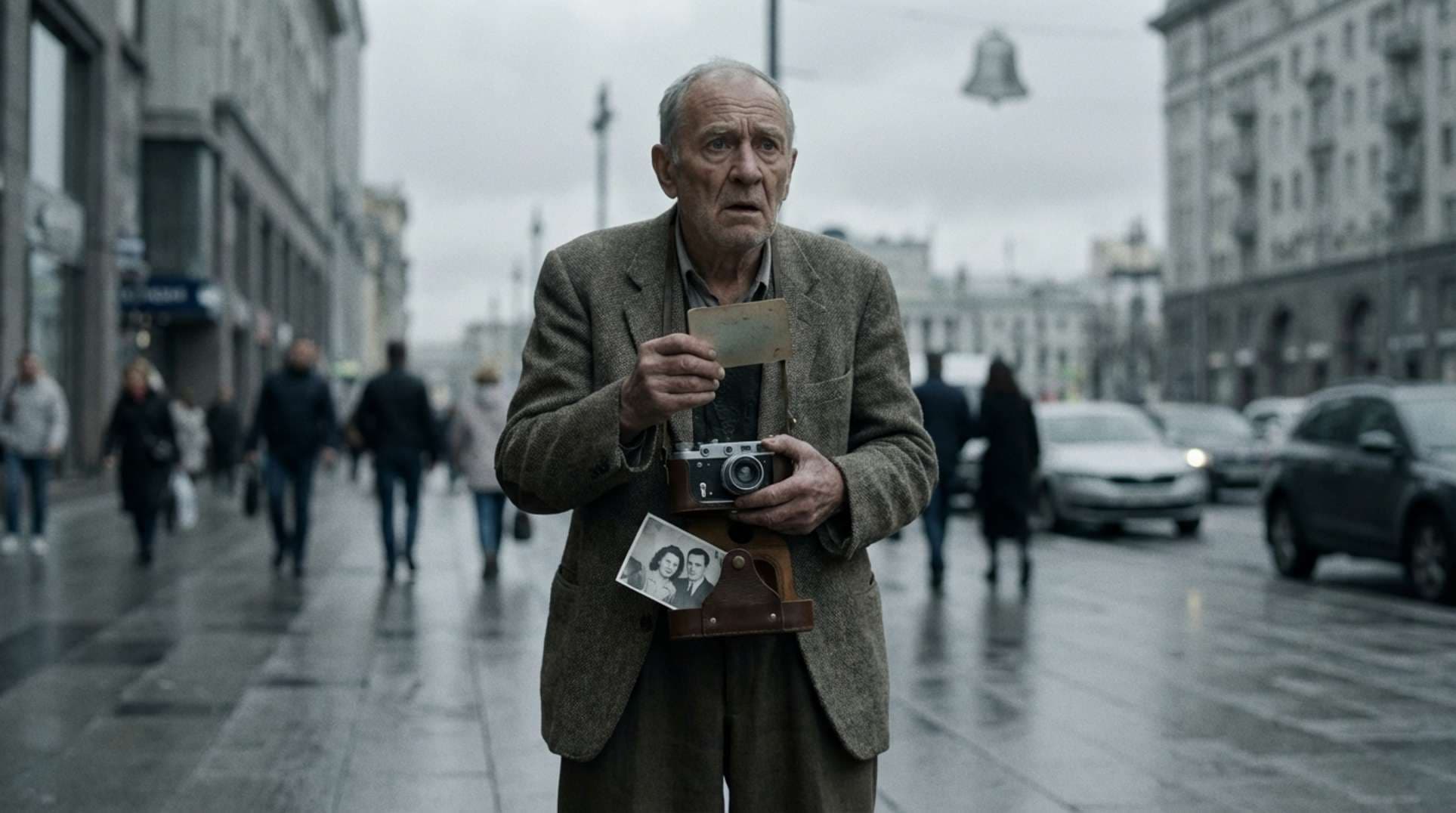
Picture the streets of Kyiv in spring 2006. The city hums with post-Soviet life—cell phones buzzing, cars from the new millennium rolling by. Then, amid the crowd, a man stumbles into view. He’s dressed in clothes that scream mid-century: a simple jacket, outdated trousers. He looks lost, asks passersby what year it is. When police arrive, he hands over a Soviet-era ID and an ancient film camera. He insists he’s from 1958, that moments ago he was living in that era. The contrast hits hard—relics from a vanished world dropped into a city that’s moved on.
What Witnesses and Analysts Report
Accounts from those on the ground paint a consistent picture. Police in Kyiv encountered the man, who called himself Sergei Ponomarenko, claiming a leap from 1958. He showed an ID listing his birth in 1932 and carried an old camera with undeveloped film. Taken to a psychiatric clinic, he spoke with a doctor—accounts name him something like P. Kutrikov—who heard his story of time displacement. The film, once developed, revealed shots of 1950s Kyiv, the man with a young woman said to be his fiancée, and a bell-shaped craft he described as a UFO.
Later, investigators reportedly tracked down the woman from the photos, though her name shifts in retellings—sometimes it’s one spelling, sometimes another. Online researchers and community analysts echo these beats but note how details morph: dates fuzz a bit, names vary slightly. It’s the mark of a story passed through forums and videos, growing layers as it spreads. Witnesses, from clinic staff to locals, stick to the core: the man was there, then he vanished from a guarded room, leaving his camera behind.
Timelines, Tracks, and Hard Data
Let’s break down what we can pin down. The reported encounter hits on April 23, 2006, in Kyiv. The man claimed he came from 1958, with an ID showing a birthdate in 1932—June 16 or 17, depending on the source. Film from his camera got developed, yielding images of old Kyiv, personal portraits, and that UFO-like object. But digs by folks like YouTuber Joe Scott reveal problems: some photos trace back to Ukrainian TV or seem pieced together from unrelated sources, especially one allegedly from 2050.
No luck finding original police reports, hospital logs, or chain-of-custody for the items in public searches. It’s a gap that nags. Here’s a quick table to map it out:
| Reported Item | What Was Claimed | What Primary Evidence Exists | Status |
|---|---|---|---|
| Soviet-era ID | Names Sergei Ponomarenko, born 1932 | Circulated images only; no originals | Unverified |
| Old film camera | Contained undeveloped photos from 1958 | Developed images online; provenance contested | Contested |
| Developed photos | Show mid-century Kyiv, fiancée, UFO | Some traced to TV/manipulated sources | Contested |
| Encounter date | April 23, 2006 | Repeated in secondary accounts; no records | Unverified |
Official Story vs. What the Data Suggests
Authorities have stayed silent—no press releases from Kyiv police, no hospital confirmations. Mainstream outlets and skeptics flag the tale as unproven, pointing to reliance on retellings and online collages. No scientific body has stepped up with forensic tests on negatives or documents. Yet witnesses push back, holding to their accounts of the man’s arrival and vanishing.
Other angles hold water too. Could it be a hoax, with staged props? Or a mental health break, like a fugue state twisting reality? Maybe evidence got misidentified or muddled over time. Archives might just be spotty—Soviet-era stuff vanishes easy in post-collapse chaos. Without primary docs, we assign less weight, but that doesn’t erase the possibility.
What It All Might Mean
The firmest bits: secondary sources spread the story wide, detailing old docs and film that matched the man’s claims. Photos exist, even if some origins raise flags. But questions linger. Where are those police files or clinic notes? Do negatives or lab records survive somewhere? Could we find the fiancée in civil registries? Any staff statements or footage from the disappearance?
This case matters because it highlights how high-strangeness tales evolve—folklore meets media, evidence standards clash with extraordinary claims. It’s less about proven time travel, more a mirror on narrative spread. Readers, chase those archives, audit the photos, search registries. That’s how we shift legend to fact—or fiction.
Frequently Asked Questions
The encounter was widely reported in secondary sources, with consistent details about a man claiming to be from 1958 appearing in Kyiv in 2006. However, no primary police or hospital records have been located to confirm it. Modern analyses suggest some elements may stem from manipulated or reused media.
The man allegedly provided a Soviet-era ID and undeveloped film that developed into photos of 1950s scenes, a fiancée, and a UFO. Witnesses reported these matched his story, but provenance issues trace some images to TV footage or alterations. No original documents or negatives have been verified through forensic analysis.
Authorities have issued no official statements or verifications; police and clinic records remain absent from public searches. Mainstream skepticism treats it as unresolved, emphasizing the lack of primary evidence. Community researchers continue to probe without institutional backing.
Key gaps include the location of contemporaneous records, original photo negatives, and statements from clinic staff about the man’s disappearance. Identifying the woman in the photos through civil records could also clarify details. These elements keep the case open to interpretation as hoax, delusion, or something stranger.