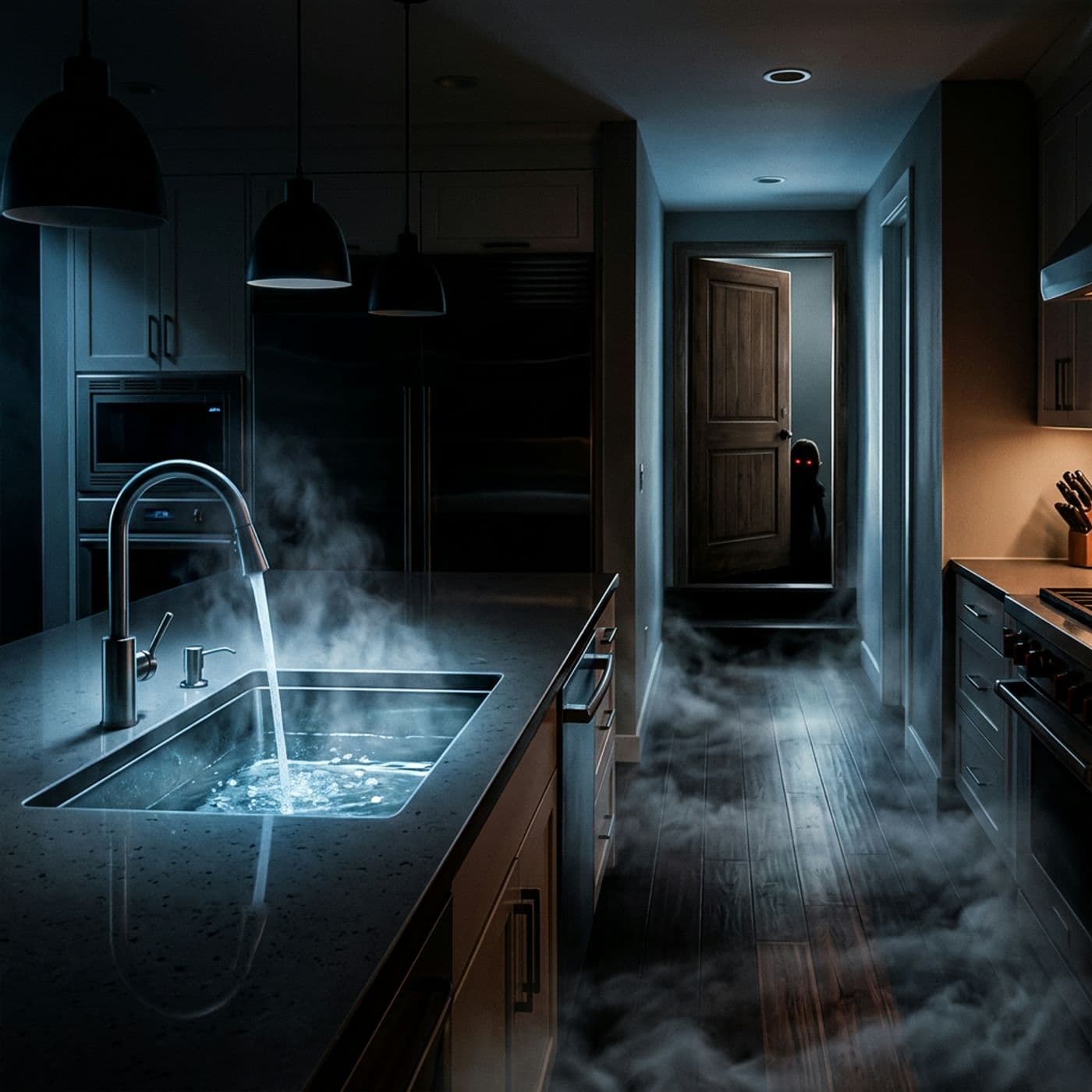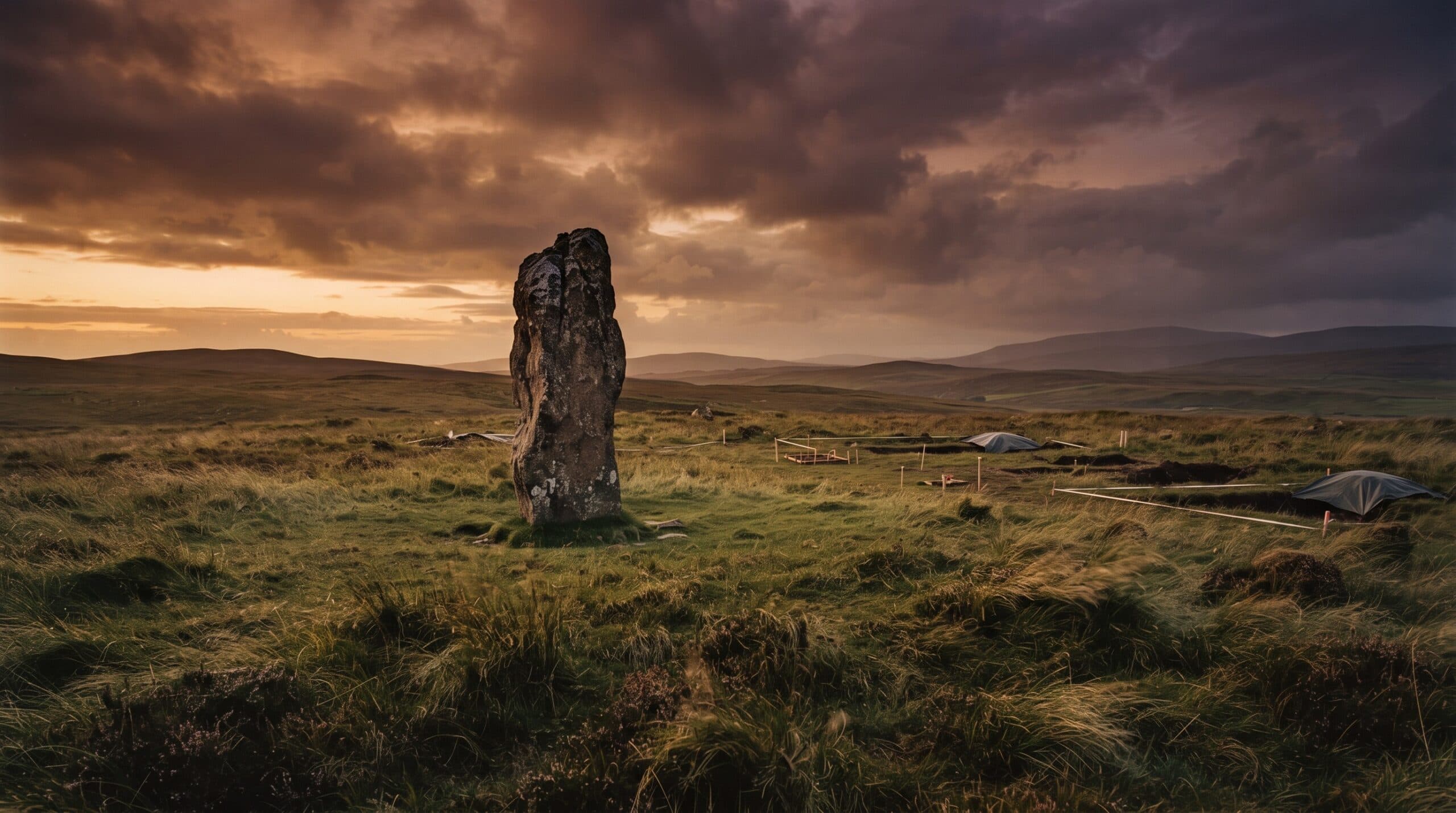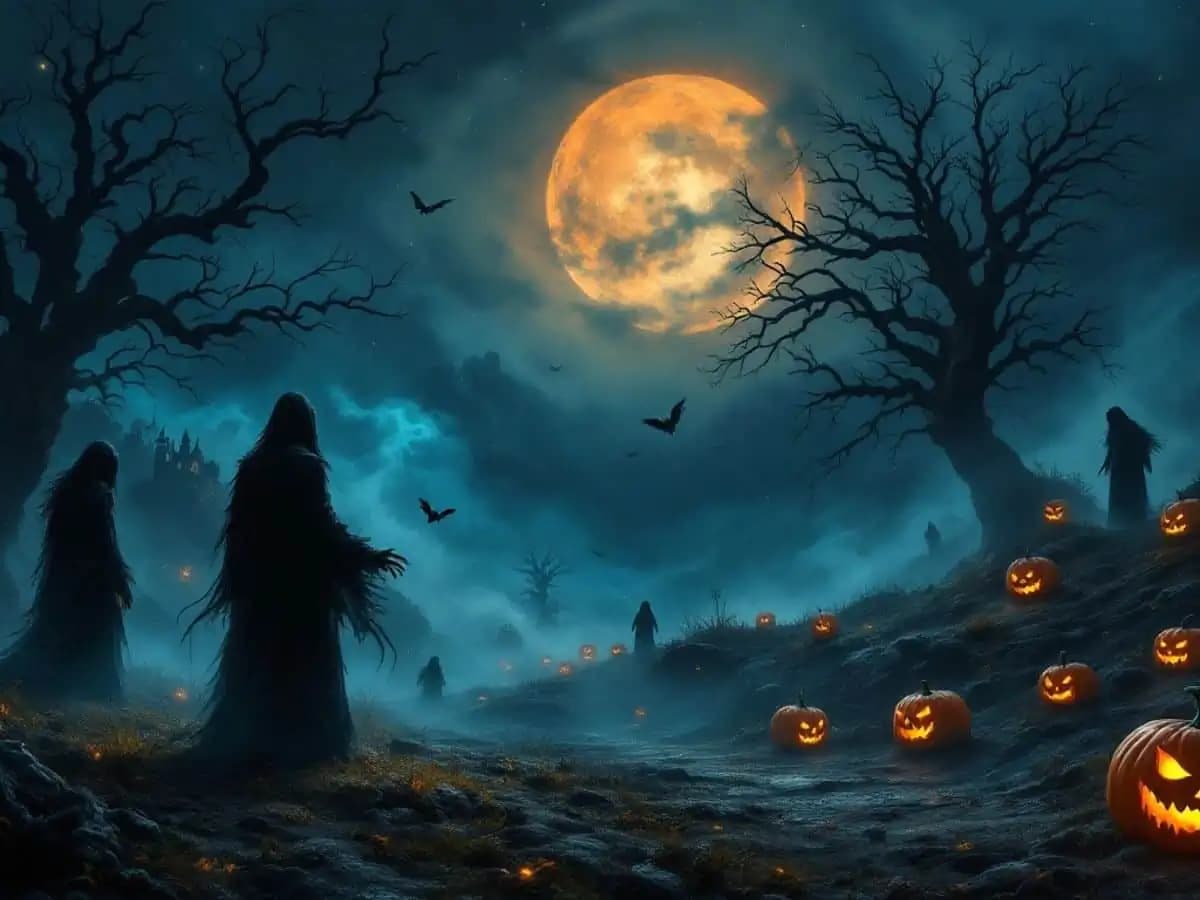

As October approaches, the ancient Gaelic festival of Samhain beckons, marking the transition from summer to winter. This time of year is steeped in rich traditions and beliefs, where the veil between our world and the spirit realm is believed to thin, allowing supernatural entities to roam freely. The ancients took great care to protect themselves from these dark forces, leading to the vibrant customs we now associate with Halloween.
Key Takeaways
- Samhain marks the end of the harvest and the beginning of winter.
- The festival is rooted in ancient Gaelic mythology and rituals.
- Supernatural beings were believed to be more active during this time.
- Modern Halloween traditions have origins in Samhain practices.
The Significance Of Samhain
Samhain, meaning “Summer’s End,” is celebrated on October 31st. It symbolizes the end of the harvest season and the onset of winter. The ancient Celts believed that during this time, the boundary between the living and the dead was blurred, allowing spirits to return to the earthly realm. This belief is reflected in various Celtic tales where characters encounter otherworldly beings.
The Veil Between Worlds
The concept of a thin veil is central to Samhain. It is said that during this festival, the laws of nature are suspended, allowing for supernatural occurrences. The goddess of winter, Cailleach, and the goddess of spring, Brigid, are two aspects of the same Earth deity, representing the cyclical nature of life and death.
Advertisement
Rituals And Celebrations
Samhain was not just a time for reflection; it was also a time for celebration. The festival included feasting, games, and gatherings of tribes. It was a jubilant affair, marking the end of the work season and the beginning of a period of rest. The ancient Celts would light bonfires, believed to ward off evil spirits and provide warmth during the cold months ahead.
The Role Of Bonfires
Bonfires played a significant role in Samhain celebrations. They were thought to have protective qualities, and offerings were often thrown into the flames. The act of burning was seen as a way to communicate with the spirit world, and the smoke was believed to purify and ward off malevolent forces.
Supernatural Threats
With the thinning of the veil, the ancients believed that various supernatural threats emerged. Spirits were thought to roam freely, and precautions were taken to protect against them. People would dress in costumes to disguise themselves from these entities, a practice that has evolved into modern Halloween costumes.