The Intersection of Paranormal and Reality: Where Do We…
UFO & Aliens
The Intersection of Paranormal and Reality: Where Do We Draw the Line?
The intersection of paranormal and reality is a fascinating and often controversial topic. While some people are firm believers in the supernatural, others are staunch skeptics. This article explores the delicate…
Art Grindstone is the hard-nosed storyteller behind Unexplained.co, a veteran investigator whose life’s work sits at the crossroads of the paranormal, fringe science, and the shadows most people try not to look into. With decades spent chasing impossible stories — black-budget psychic programs, vanished Cold War experiments, desert rituals that sparked UFO waves, and the strange phenomena buried in America’s forgotten backroads — Art brings a rare combination of skepticism, awe, and journalistic precision. He’s not here to debunk. He’s not here to blindly believe. He follows the evidence wherever it leads — even when it leads someplace deeply uncomfortable. Known for his immersive, cinematic style and his ability to turn obscure research into gripping narrative, Art has built a devoted following across podcasts, long-form features, documentaries, and serialized investigations. His interviews are direct. His analysis is unflinching. His voice has become a staple in the modern paranormal renaissance — the guy people turn to when a story is too strange, too complex, or too dangerous for anyone else to touch. Off-mic, Art works with a distributed network of researchers, archivists, and field operatives who help surface the stories mainstream media ignores. On-mic, he transforms their findings into meticulous, high-impact reporting that refuses to insult the intelligence of true believers. His philosophy is simple: Take the phenomenon seriously. Treat the audience with respect. Tell the story as if the world depends on it — because sometimes it does. When Art Grindstone digs into a case, he isn’t just chasing a mystery. He’s tracing the fault lines of reality itself.
6 min · 1,294 words
In This Report(18)
The intersection of paranormal and reality is a fascinating and often controversial topic. While some people are firm believers in the supernatural, others are staunch skeptics. This article explores the delicate balance between these two worlds, examining how paranormal experiences, media portrayals, and scientific investigations shape our understanding of what is real and what is imagined.
Key Takeaways
Paranormal experiences have a significant impact on culture and individual beliefs, often blurring the lines between reality and the supernatural.
Media, including horror films, literature, and online communities, play a crucial role in shaping public perception of the paranormal.
Scientific investigations and psychological studies offer explanations for paranormal phenomena, but skepticism remains high among many experts.
Exploring the Thin Veil: Paranormal Experiences in Everyday Life
Personal Encounters with the Unexplained
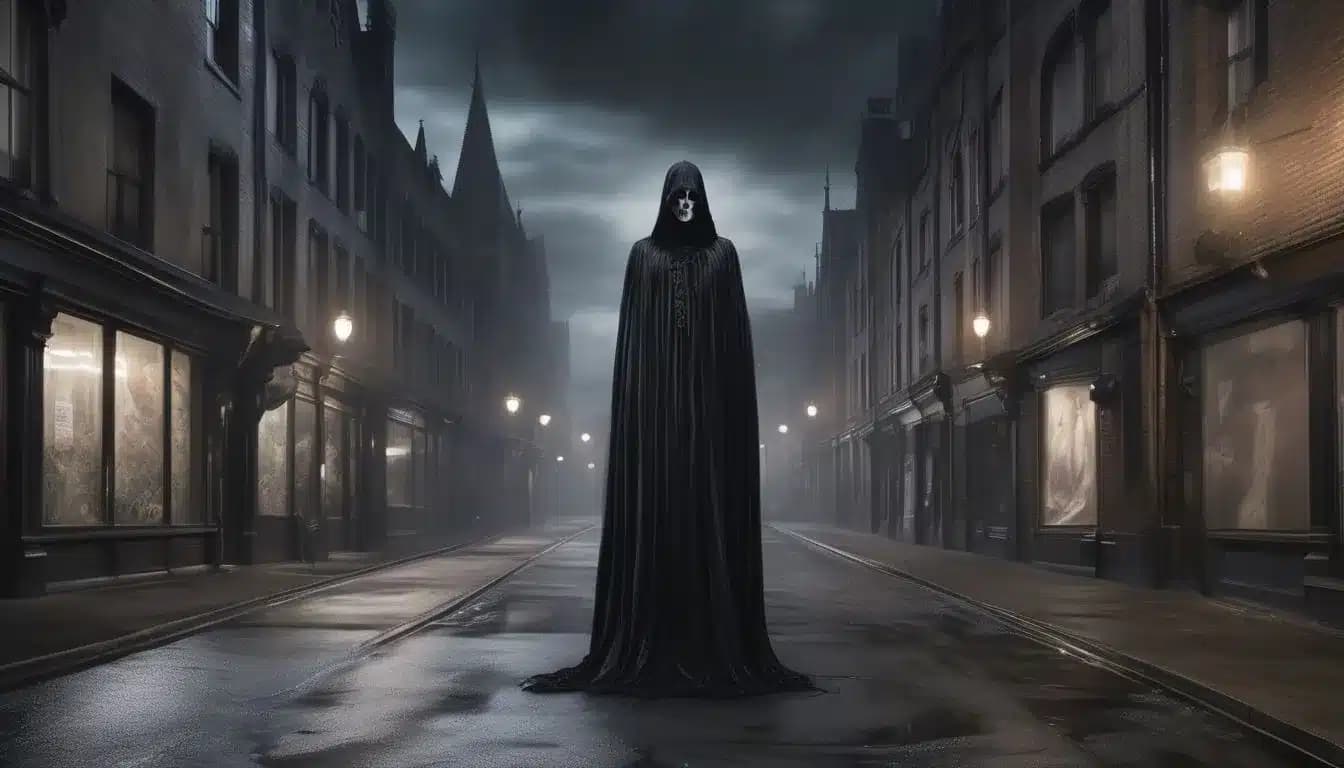
We’ve all heard stories from friends or family about eerie experiences that defy explanation. Maybe it was a shadowy figure at the end of the hallway or a sudden chill that made the hair on your neck stand up. These personal encounters often leave us questioning the nature of reality. Are these experiences just figments of our imagination, or is there something more? Shows like “Into the Parabnormal” delve into these mysteries, challenging our understanding of the world.
Advertisement
Cultural Impact of Ghost Stories and Urban Legends
Ghost stories and urban legends are more than just spooky tales; they are a reflection of our cultural fears and fascinations. From the haunting tales of “The Secret Teachings” to the eerie narratives shared on “Ground Zero with Clyde Lewis,” these stories shape our collective consciousness. They serve as cautionary tales, moral lessons, or simply as entertainment, but their impact is undeniable.
Scientific Perspectives on Paranormal Phenomena
While many of us are intrigued by the paranormal, the scientific community often approaches these phenomena with skepticism. Researchers aim to debunk myths and provide logical explanations for what we perceive as supernatural. Shows like “The Paradigm Shift” explore the intersection of science and the unexplained, offering insights into how our brains might be tricking us. Yet, despite scientific scrutiny, the allure of the paranormal remains strong, as evidenced by the popularity of programs like “Everything Out There.”
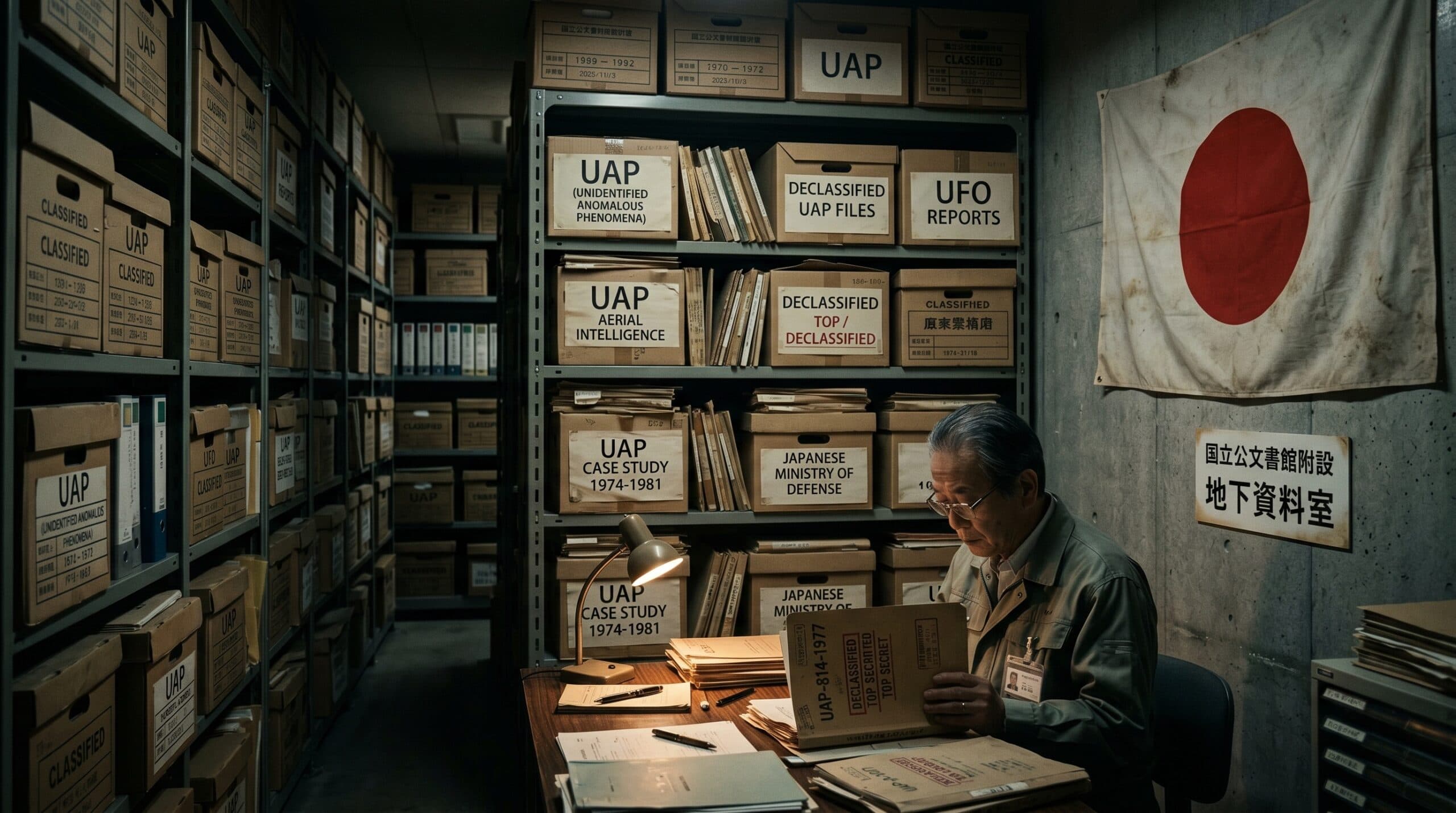
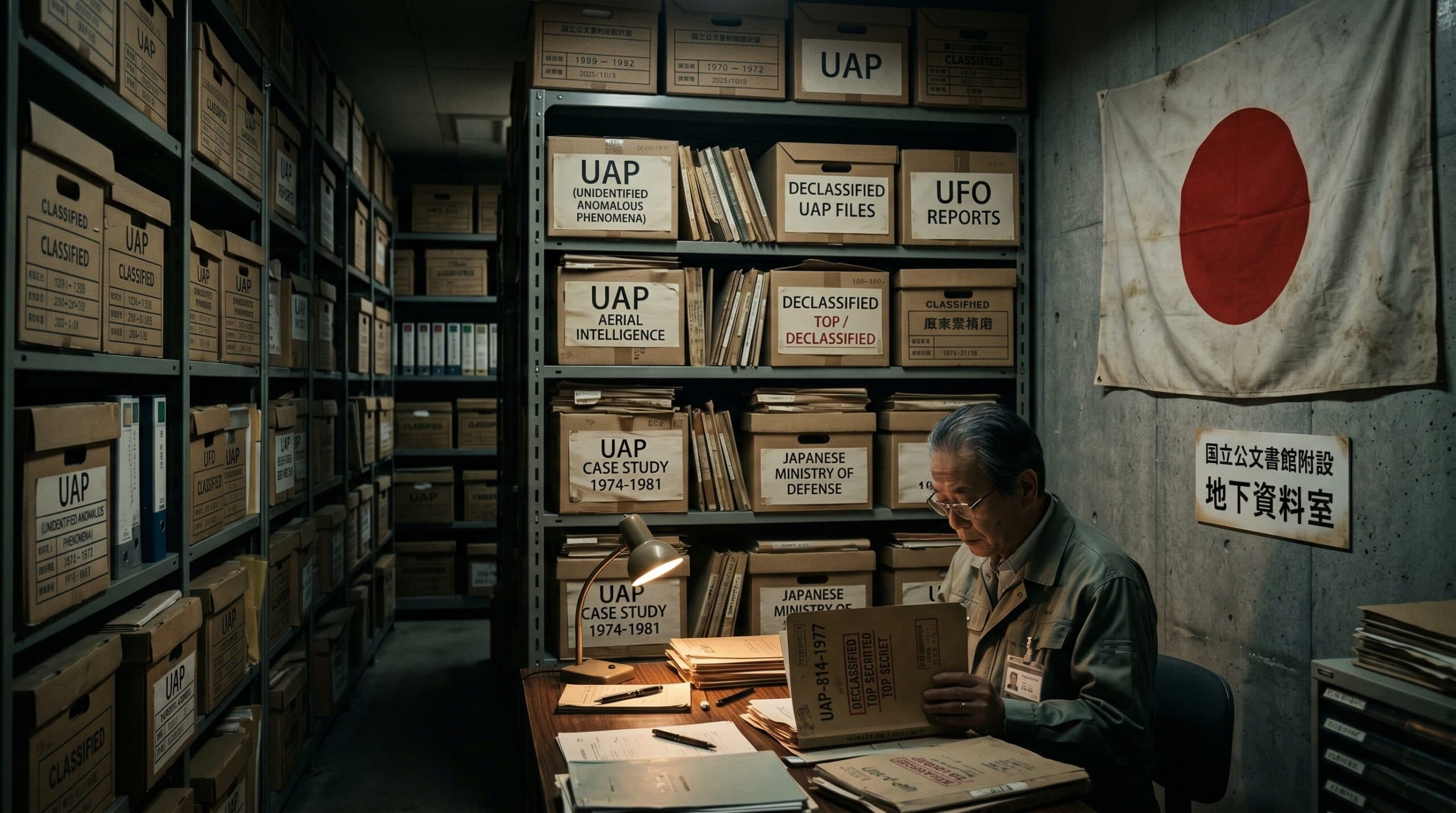
Japan Just Confirmed It Has UAP Footage, and Is Analyzing Pentagon Files Near Its Borders
Japan’s formal entry into the UAP transparency wave signals an international domino effect. What the country knows about UAP encounters near Japanese territory and why it matters now.
May 14, 2026 • 5 min read
Conspiracy Theories
Japan Just Confirmed It Has UAP Footage — and Is Analyzing Pentagon Files Near Its Borders
Japan’s formal entry into the UAP transparency wave signals an international domino effect. What the country knows about UAP encounters near Japanese territory and why it matters now.
May 13, 2026 • 5 min read
UFO & Aliens
The Pentagon Released More UAP Files—but Not the Data Needed to Solve Them
The Pentagon’s fifth UAP release reveals cold orbs and a giant triangle—but missing sensor data keeps its strangest cases unresolved and untested.
Aug 17, 2026 • 10 min read
The intersection between fantasy and reality is a fascinating space where our deepest fears and hopes come to life. Whether through personal experiences, cultural narratives, or scientific inquiry, the paranormal continues to captivate our imagination.
Media and the Supernatural: How Fiction Shapes Our Perception of Reality
The Role of Horror Films and Literature
We’ve all been there—watching a horror film late at night, feeling the hairs on the back of our necks stand up. Horror films and literature have a unique way of blending the supernatural with our everyday fears. They exploit our deepest anxieties and make us question what is real and what is fiction. Shows like Ground Zero Radio delve into these themes, making us ponder the thin line between reality and the paranormal.
Virtual Reality and Augmented Reality Experiences
Virtual Reality (VR) and Augmented Reality (AR) are game-changers. They immerse us in worlds where the supernatural feels incredibly real. Imagine putting on a VR headset and suddenly finding yourself in a haunted house. The experience is so lifelike that it blurs the boundaries between the virtual and the real. This technology is not just for fun; it’s a tool that can make us question our perceptions of reality.
The Influence of Online Communities and Forums
Online communities and forums are buzzing with paranormal discussions. Platforms like Into the Parabnormal with Jeremy Scott allow us to share our experiences and theories. These communities are a melting pot of ideas, where believers and skeptics alike can debate and discuss. They play a crucial role in shaping our understanding of the supernatural, making us question what we know and what we believe.
The digital age has made it easier than ever to explore the supernatural. Whether through films, VR, or online forums, we are constantly engaging with the unknown. This interaction shapes our perception of reality, making the line between the paranormal and the real world ever so thin.
Advertisement
Debunking or Believing: The Science and Skepticism Behind Paranormal Claims
Famous Paranormal Investigations and Their Outcomes
We’ve all heard of the famous paranormal investigations, right? From haunted houses to mysterious creatures, these stories captivate our imagination. But what happens when we put these claims under the microscope? Many investigations reveal mundane explanations—faulty wiring, drafts, or even psychological factors. Yet, some cases remain unexplained, leaving room for speculation and belief.
The Psychology of Belief in the Supernatural
Why do we believe in the supernatural? It’s fascinating to think about. Our brains are wired to find patterns, even when none exist. This tendency can make us see ghosts in shadows or hear voices in the wind. Cognitive biases play a huge role here. Confirmation bias, for instance, makes us focus on evidence that supports our beliefs while ignoring what contradicts them.
Scientific Explanations for Common Paranormal Events
Ever wondered why so many people report similar paranormal experiences? Science has some answers. For example, infrasound—low-frequency sound waves—can cause feelings of unease and even hallucinations. Sleep paralysis is another common explanation, where people wake up unable to move and often see terrifying figures. These scientific insights help demystify the supernatural, but they also remind us that the line between reality and the paranormal is often blurred.
It’s crucial to approach paranormal claims with both an open mind and a healthy dose of skepticism. While it’s fun to entertain the idea of ghosts and otherworldly phenomena, we must also rely on scientific methods to seek the truth. Support more articles like this to keep the conversation going!
In our latest section, ‘Debunking or Believing: The Science and Skepticism Behind Paranormal Claims,’ we delve into the fascinating world of paranormal phenomena. Are these claims rooted in reality or mere figments of imagination? Join us at Aftermath Media to explore in-depth articles, podcasts, and videos that challenge conventional thinking and uncover hidden truths. Don’t miss out on exclusive content and educational resources that will broaden your horizons. Start your journey today!
Conclusion
In the end, the intersection of the paranormal and reality is a complex and fascinating domain. Ground Zero Radio, with its deep dives into conspiracy theories and paranormal events, exemplifies the public’s enduring fascination with the unexplained. From urban legends and folklore to modern-day mysteries and pseudo-science, the boundary between what we consider real and what we deem fantastical remains porous and ever-shifting. While some stories may be dismissed as mere fabrications, others continue to captivate and provoke thought. As we navigate this gray area, it is essential to maintain a balance between skepticism and open-mindedness, allowing us to explore the unknown while grounding ourselves in reality. Whether you are a believer or a skeptic, the dialogue between the paranormal and the real world offers a rich tapestry of narratives that challenge our understanding and ignite our imagination.
Frequently Asked Questions
What is the role of media in shaping our perception of the paranormal?
Media, including horror films, literature, and online communities, plays a significant role in shaping our perception of the paranormal. It often blurs the line between fiction and reality, making paranormal phenomena more relatable and believable to the audience.
Can scientific explanations debunk all paranormal claims?
While science can explain many phenomena that are often considered paranormal, not all claims can be easily debunked. Some experiences remain unexplained and continue to intrigue both scientists and enthusiasts.
How do cultural stories and urban legends impact our belief in the supernatural?
Cultural stories and urban legends are powerful tools in shaping our beliefs in the supernatural. They are passed down through generations and often reflect the fears, values, and mysteries of a society, reinforcing the belief in the paranormal.
Art Grindstone is the hard-nosed storyteller behind Unexplained.co, a veteran investigator whose life’s work sits at the crossroads of the paranormal, fringe science, and the shadows most people try not to look into. With decades spent chasing impossible stories — black-budget psychic programs, vanished Cold War experiments, desert rituals that sparked UFO waves, and the strange phenomena buried in America’s forgotten backroads — Art brings a rare combination of skepticism, awe, and journalistic precision. He’s not here to debunk. He’s not here to blindly believe. He follows the evidence wherever it leads — even when it leads someplace deeply uncomfortable. Known for his immersive, cinematic style and his ability to turn obscure research into gripping narrative, Art has built a devoted following across podcasts, long-form features, documentaries, and serialized investigations. His interviews are direct. His analysis is unflinching. His voice has become a staple in the modern paranormal renaissance — the guy people turn to when a story is too strange, too complex, or too dangerous for anyone else to touch. Off-mic, Art works with a distributed network of researchers, archivists, and field operatives who help surface the stories mainstream media ignores. On-mic, he transforms their findings into meticulous, high-impact reporting that refuses to insult the intelligence of true believers. His philosophy is simple: Take the phenomenon seriously. Treat the audience with respect. Tell the story as if the world depends on it — because sometimes it does. When Art Grindstone digs into a case, he isn’t just chasing a mystery. He’s tracing the fault lines of reality itself.