
The Shroud of Turin has captivated believers and skeptics alike for centuries. This piece of cloth, believed by many to be the burial shroud of Jesus Christ, has undergone extensive scientific scrutiny, revealing astonishing findings that challenge our understanding of history and faith.
Key Takeaways
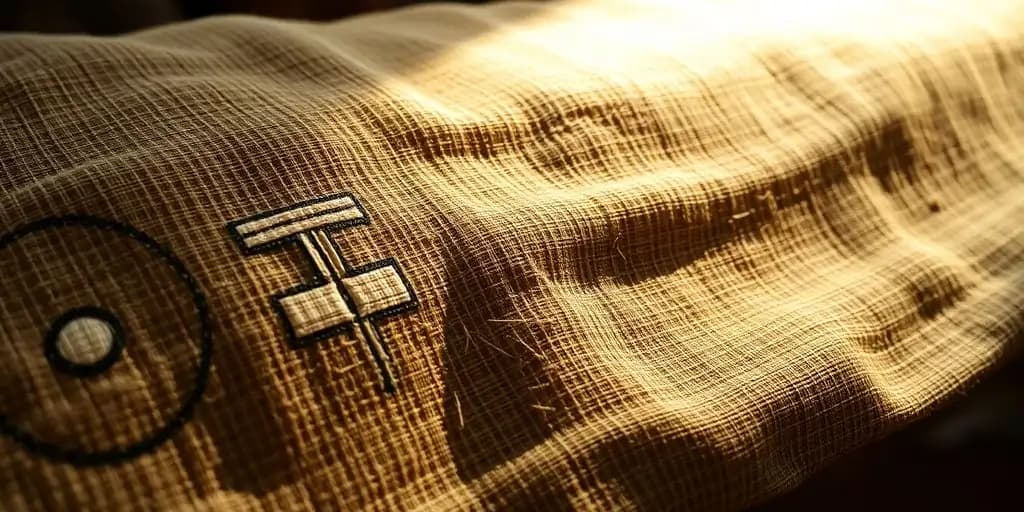
- The Shroud is a 14.5 by 3.5-foot piece of linen with an imprint of a crucified man.
- Scientific tests have produced conflicting results regarding its authenticity.
- New analyses suggest the image may have formed due to a unique energy burst.
A Brief History of the Shroud
The Shroud of Turin is a linen cloth that bears the image of a man, believed by many to be Jesus Christ. Its history is shrouded in mystery, with accounts tracing back to the early centuries after Christ’s death. The cloth was reportedly delivered to King Abgar of Edessa and later found its way to Constantinople, where it was venerated as a holy relic. After various ownership changes, it was finally bequeathed to the Vatican in 1983.
The Scientific Scrutiny
Over the years, the Shroud has been subjected to numerous scientific tests. The most notable was the Shroud of Turin Research Project (STURP) in 1978, where a team of scientists was given access to the cloth. They conducted various tests, including photography and chemical analysis, concluding that the image was not the product of an artist. However, the mystery of how the image was formed remained unsolved.
Advertisement
In 1988, radiocarbon dating tests were performed, suggesting the cloth dated between 1260 and 1390 AD, leading many to declare it a medieval forgery. This conclusion was met with disappointment by believers and excitement by skeptics.
The Controversy of Carbon Dating
The carbon dating results have been hotly debated. Critics argue that the sample taken for testing may have come from a repaired area of the cloth, which could skew the results. Some researchers have pointed out that the area from which the sample was taken had been damaged in a fire, potentially contaminating the sample.
Advertisement
New Discoveries and Theories
Recent studies have introduced new theories about the Shroud’s image formation. Some scientists propose that a could have caused the unique characteristics of the cloth. Experiments have shown that bombarding linen with protons can replicate the rapid aging effects seen in the Shroud. This theory suggests that the image may have been imprinted during a miraculous event, possibly linked to the resurrection of Jesus.